 Photo by Jonathan Torres
CLASA Elite — founded and operated by 10 Latino soccer clubs with Chicago ties going back decades — concluded its inaugural season in Englewood Sunday.
Esta historia fue originalmente publicada en Block Club Chicago, una sala de prensa sin fines de lucro enfocada en reportar sobre los vecindarios de Chicago. Suscríbete a su boletín diario gratuito.
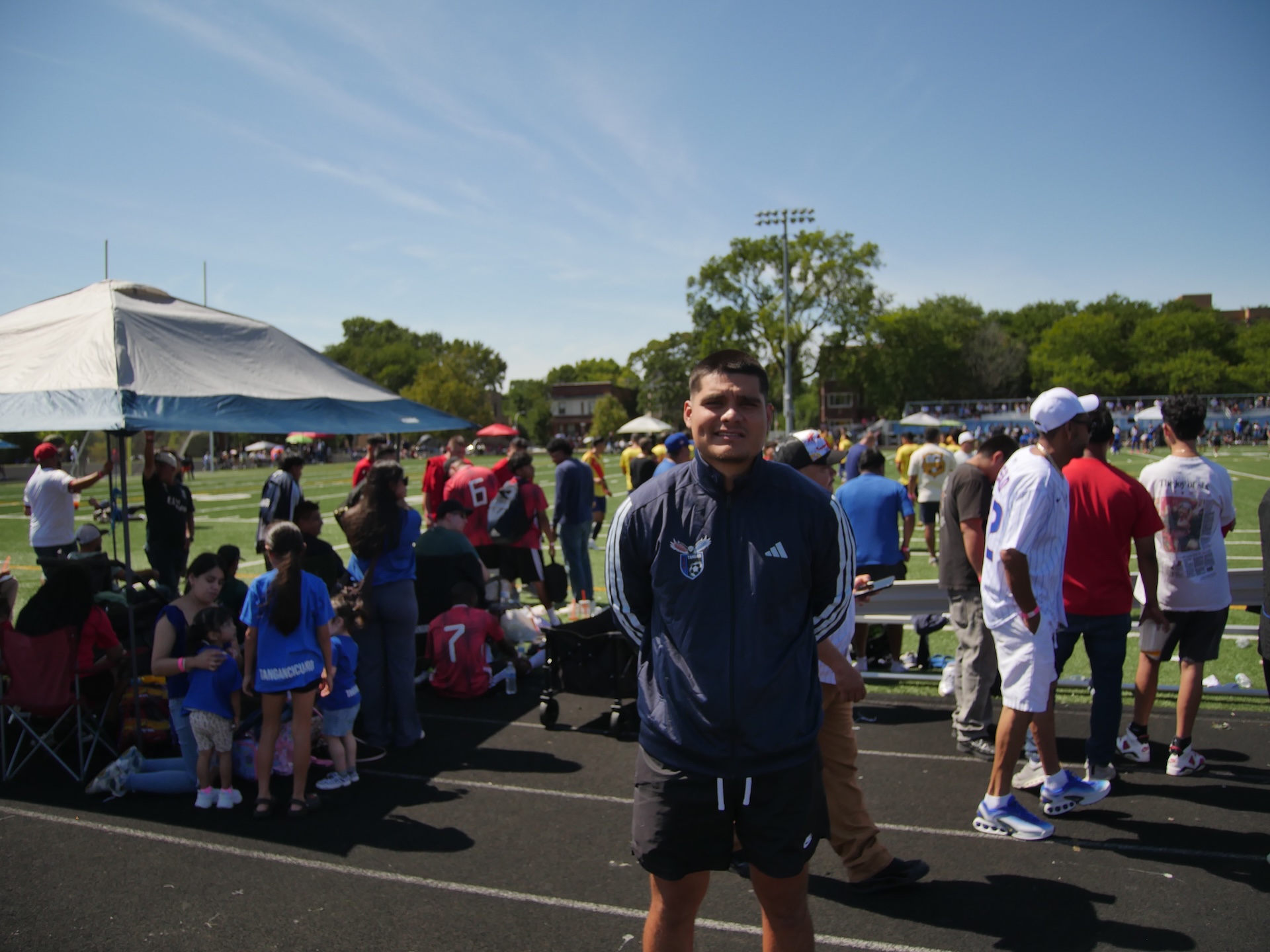
ENGLEWOOD — For Jaime Alonso, his Tangancícuaro amateur soccer club is more than just a weekend pastime. It’s a squad that his uncle coaches, his brother helps manage and his grandfather founded decades ago.
Tangancícuaro — Tangas for short — is one of nine teams in a new 10-team league that are named for hometowns in Mexico, a tradition for many Latino soccer teams in the city. The league, CLASA Elite, concluded its first outdoor season Sunday featuring teams with ties to Chicago’s soccer scene going back decades.
“It’s just a lot of talent, man,” Alonso said. “You can see lots of ex-pro players, players that are still pro, players that played in the Premier League coming to play.”
Noticias que ponen el poder en el punto de mira y a las comunidades en el centro.
Suscríbase a nuestro boletín gratuito y reciba actualizaciones dos veces por semana.
Unlike most amateur leagues, which are often run by organizers not connected to the clubs competing in them, CLASA Elite is governed by its 10 teams, considered to be among the city’s most respected clubs.
The clubs decided to organize their own league after frustrations with some previous league owners over not respecting scheduled game times, not paying out promised prize money, and some alleged instances of bending the rules for certain teams.
Adrian Calleros, 54, one of the owners of Atlético Nacional, a Chicago team founded in the 1950s, said the intention was to give the clubs more control over league operations and make sure the teams themselves benefited from it. The league’s games take place at Englewood STEM High School, 6835 S. Normal Blvd.
“We usually have biweekly meetings, and everybody’s there,” Calleros said. “I think all the teams being together and the owners constantly being there has helped.”
The creation of the league was also personal for founders like Lorenzo Espinoza. His mother, Ignacia “Panchita” Espinoza, was a beloved street vendor at Douglass Park, selling Mexican snacks for more than 30 years. Espinoza grew up helping her sell while watching some of his favorite soccer teams play.
She died in 2022 at 62 from COVID-19 complications. Honoring her memory was one of Espinoza’s biggest motivations to create the league. To him, seeing all the teams together again was something his mother had wanted to see.
“Since I was a child, I grew up selling there and seeing these teams grow,” Espinoza said. “One of my dreams was to have them all together.”
Rivalries Spanning Decades
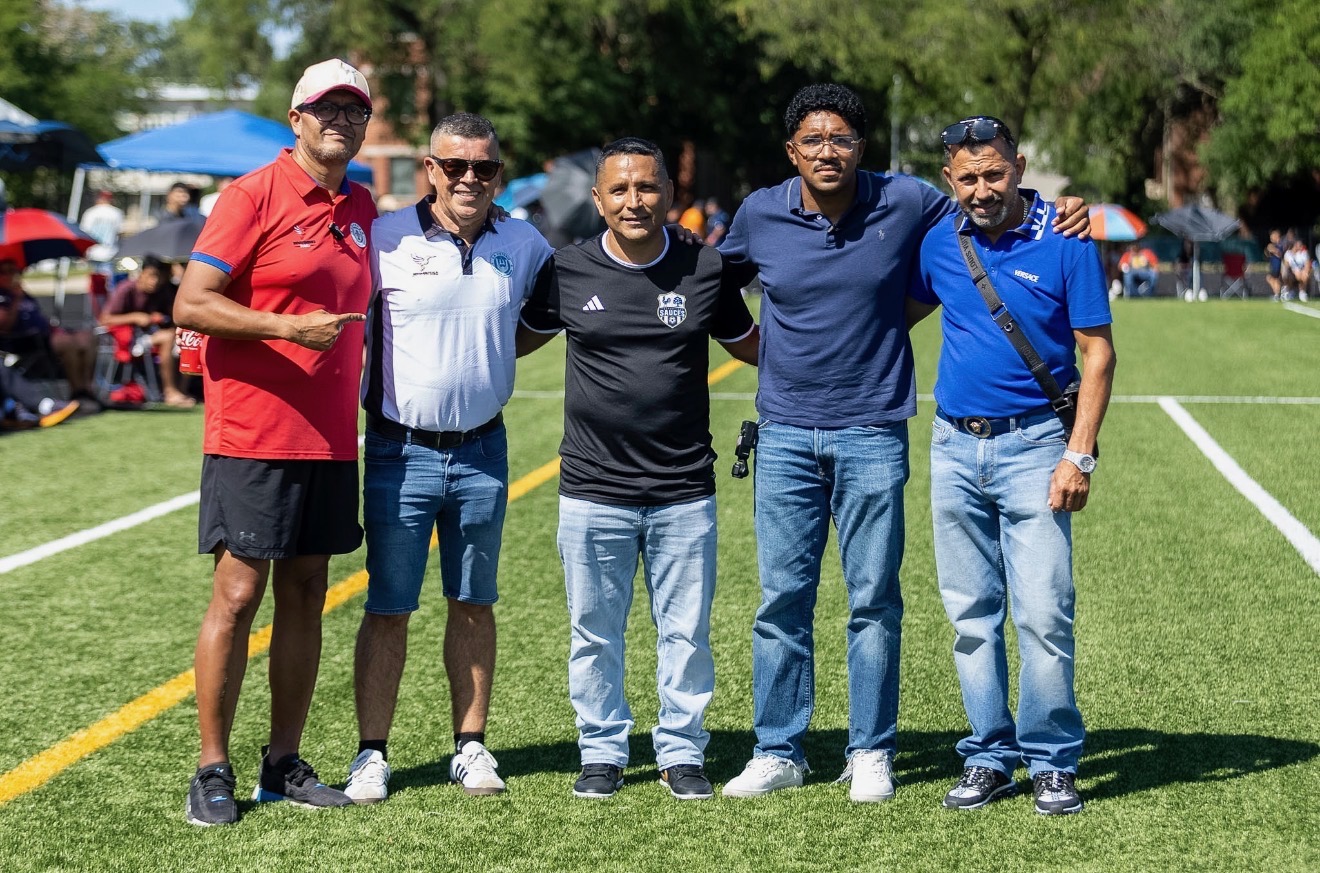
Though CLASA Elite’s league structure is novel, the teams and clubs behind it have histories and deep-rooted rivalries, with generations of families competing and carrying their teams’ legacies.
Angel Contreras’ La Garita celebrated its 50th season this year and had previously competed in the original Chicago Latin American Soccer Association, or CLASA, league.
“We actually all know each other because we’ve all competed against each other for decades,” Contreras said. “Not only us, our cousins, our fathers.”
CLASA organized leagues and tournaments for Latino youth and adults across the Chicago area for decades. As that league started to fade out in recent years over disputes about rule enforcement, some of its longtime clubs reunited to form CLASA Elite in June.
Más información
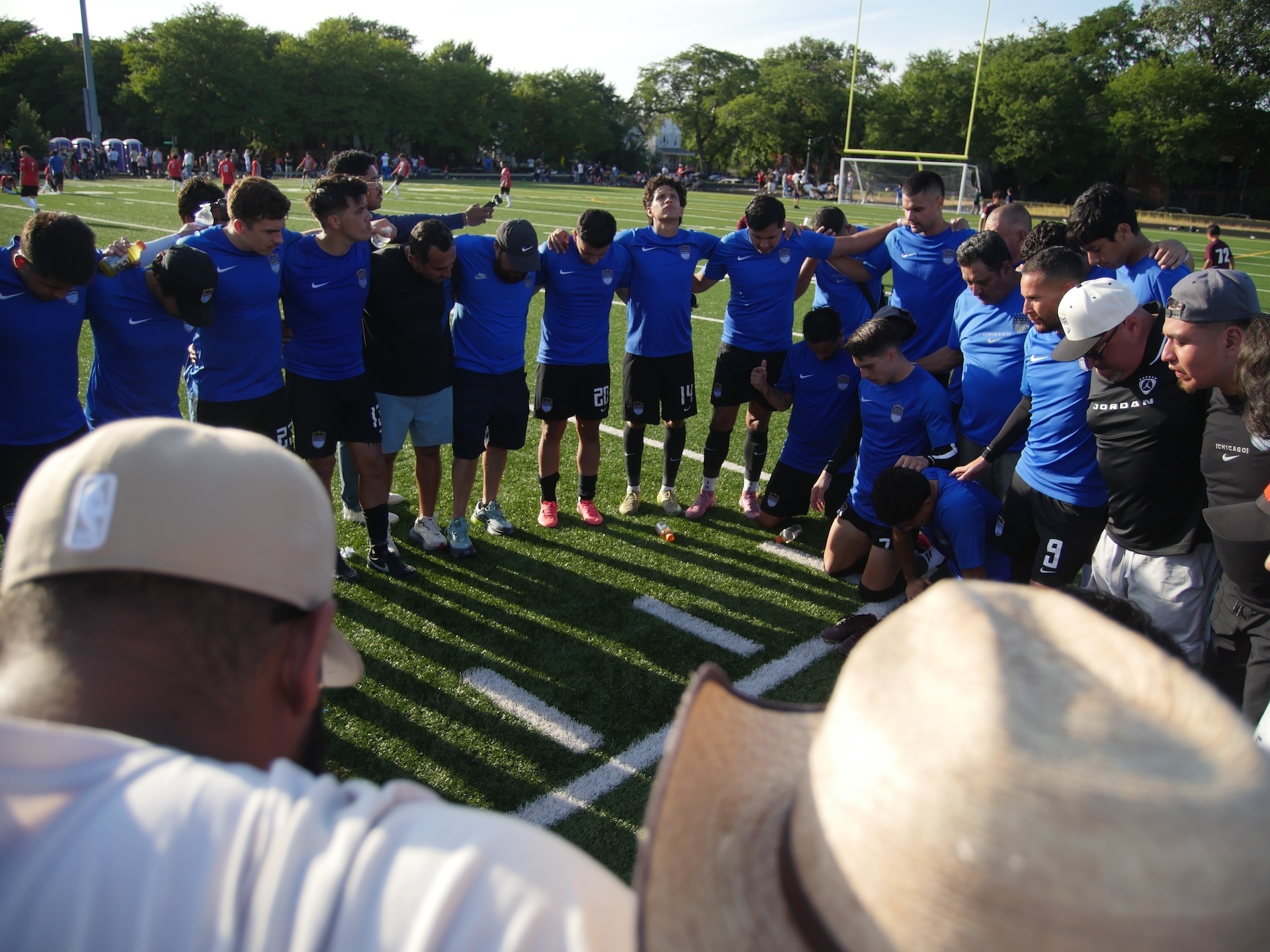
Packed Game Days
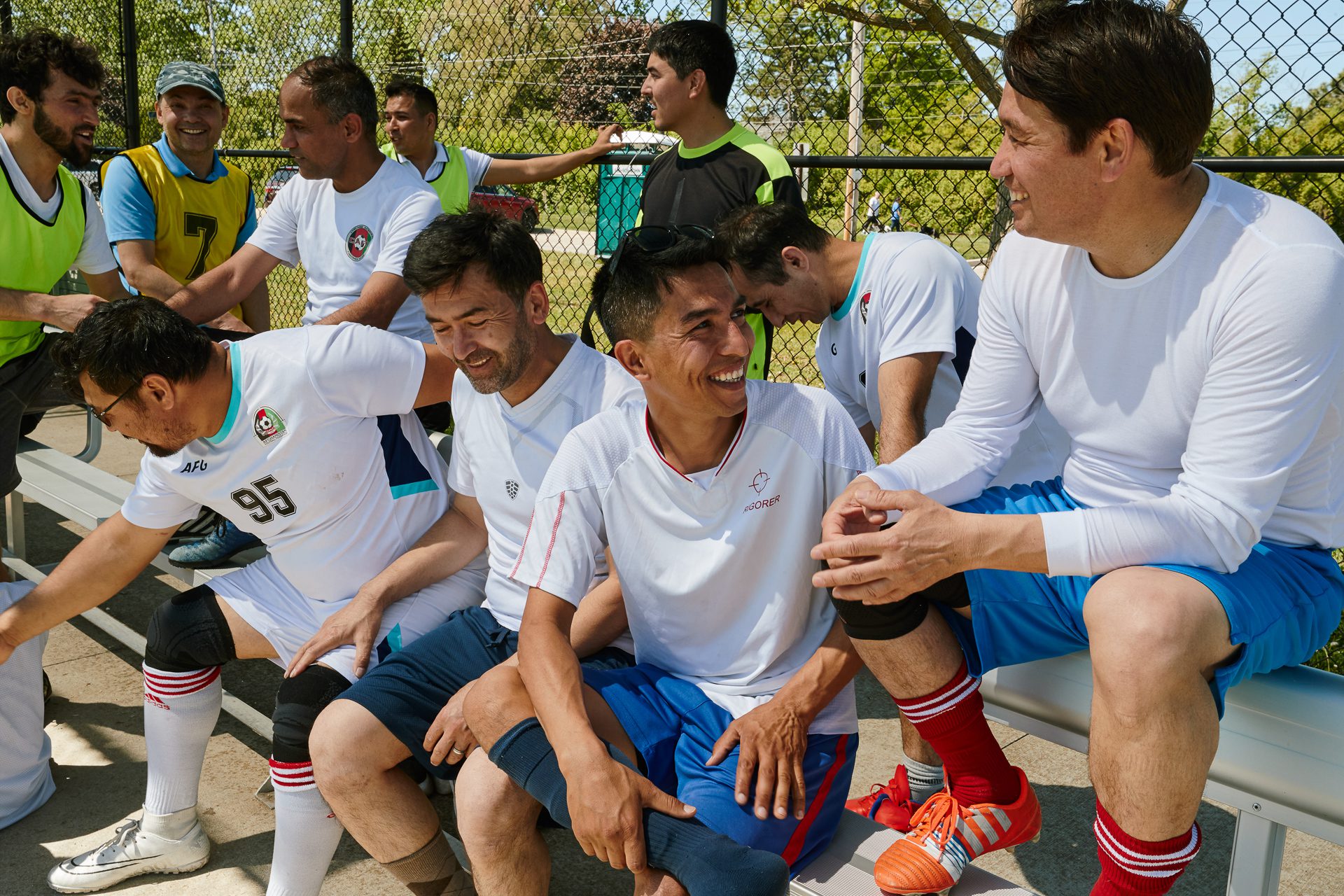
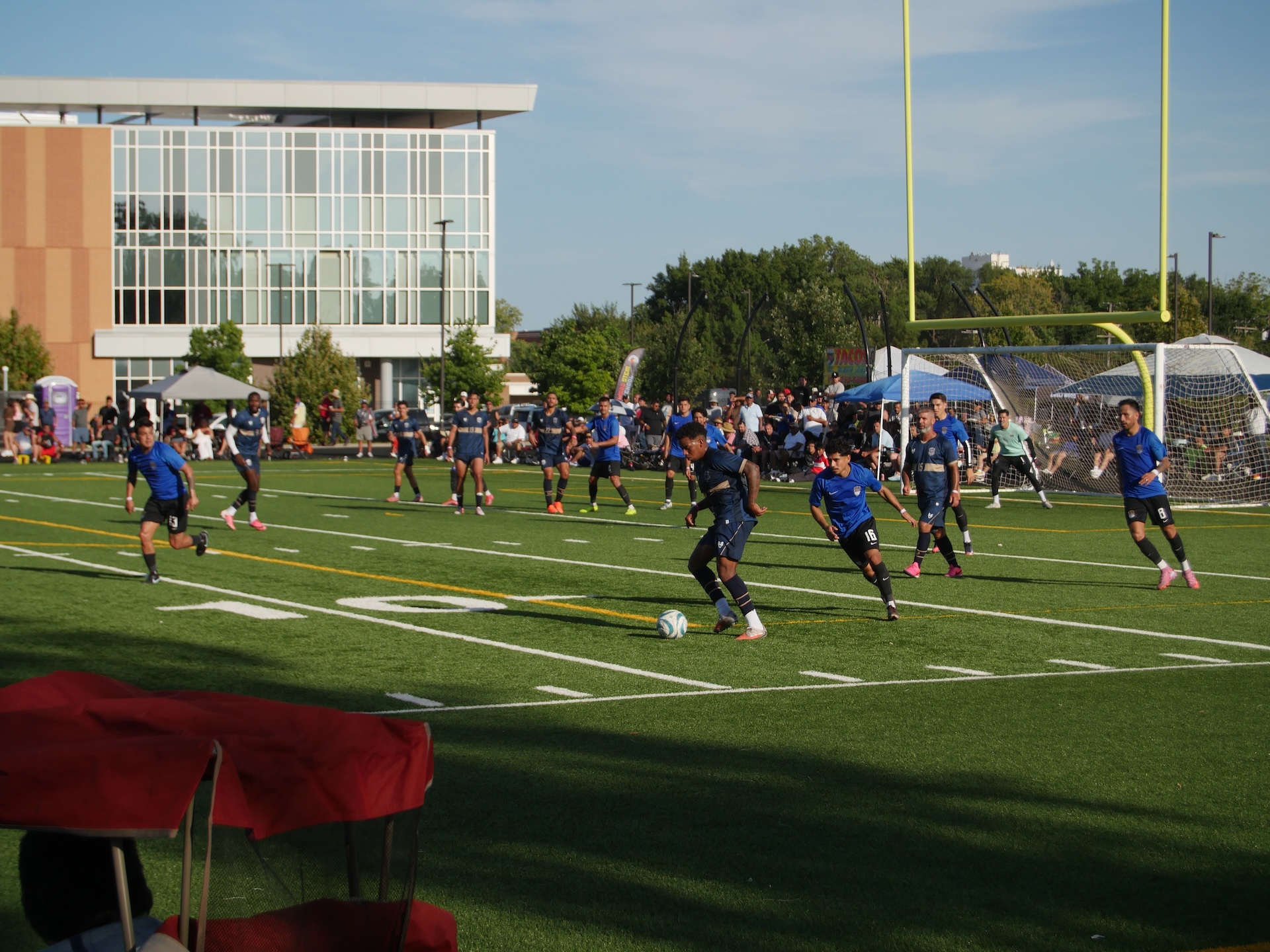
Despite the league’s humble beginnings, Sunday game days are rarely calm. Each team plays on the same field at Englewood STEM High School, starting in the late morning and running into the late afternoon. Families and supporters line tents and folding chairs along the sidelines, often wearing team colors and jerseys.
Many games have been decided by a single goal, team owners and players said. With little room for error, each matchup can carry weight in the standings.
Jose Mariscal, 23, from Little Village, recalls his father bringing him to CLASA games when he was 3. Though he and his family support Atletico Nacional, he said he often arrives early and stays late to watch the other clubs.
Mariscal said it’s common to see fans in their 50s and 60s in the crowd, many of them former CLASA players. To him, that turnout reflects how deeply rooted the league is in Chicago’s Latino soccer community.
“For it to be packed every Sunday, I mean, it just speaks for itself.” Mariscal said.
Other spectators said the level of competition got their attention, while the family atmosphere keeps them coming back. Iscoa Mendoza, 39, of suburban Willowbrook, who played in CLASA years ago, said the league feels very familiar to him.
“I’d tell anyone who likes soccer to give themselves the opportunity to come out, enjoy it and see the level of play, because the level is very good,” Mendoza said. “They won’t regret coming.”
‘The Idea Is To Grow’
The top four teams qualified for top division playoffs, and teams that finished fifth through eighth advanced to the Division B playoffs.
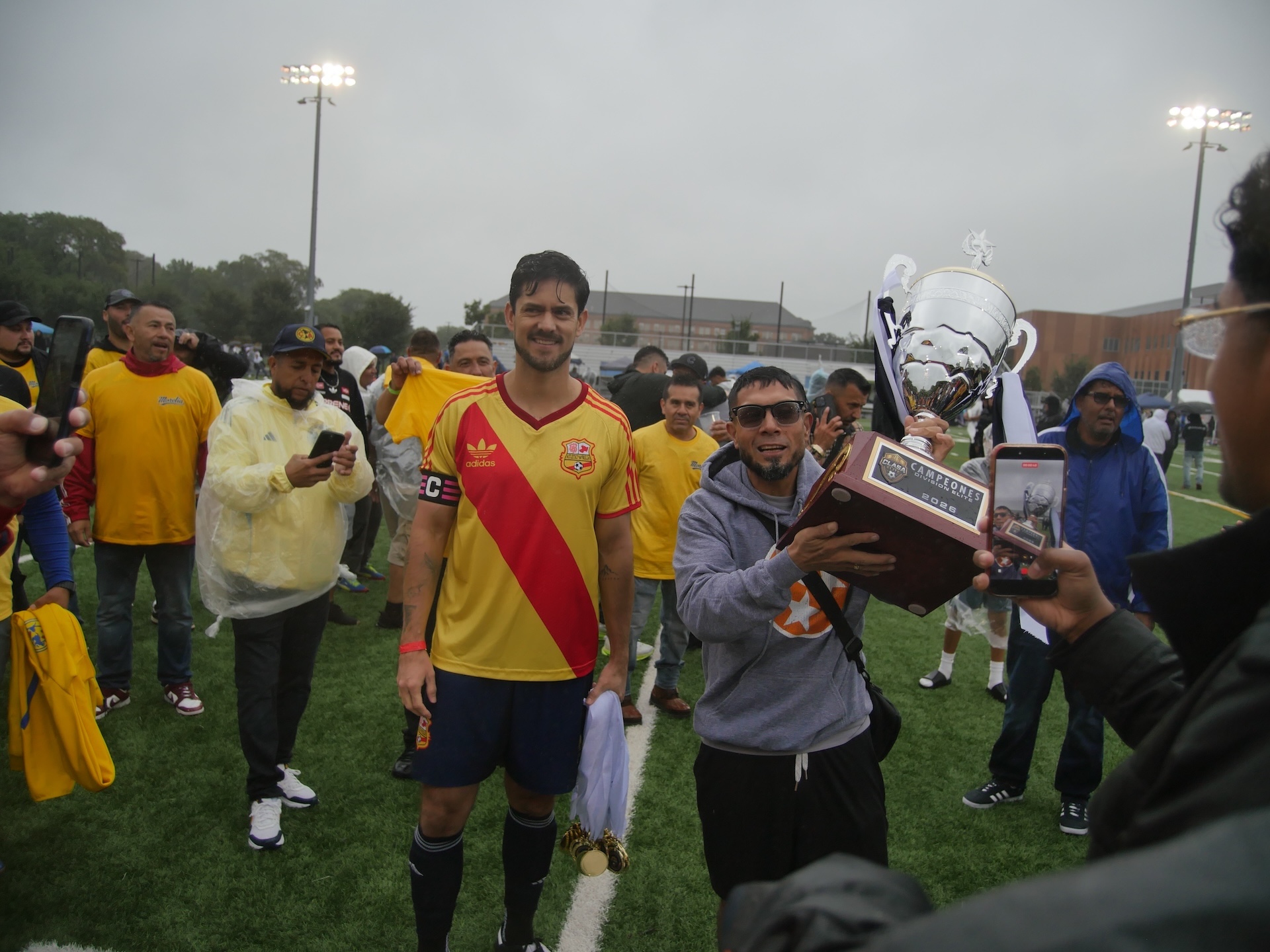
CLASA Elite finished its first outdoor season Sunday, with Morelia beating Atlético Nacional 2-0 for the league’s top division championship and a $20,000 prize. In the Division B final, Tangancícuaro, Alonso’s family team, won a $10,000 prize in a close penalty shootout after the 0-0 game went into overtime.
“It’s very family driven,” Alonso said. “You can have some tacos with your family, and you see a bunch of little kids around too. So, it’s nice to see that as well.”
Calleros said other teams have also looked to join, and hinted at the possibility of adding another division in the future.
Other coaches would like to see what a youth league could look like.
"La idea es que la liga crezca, que sea más grande,” said Juan Orozco, 64, a longtime coach with Atlético Poncitlán. “The idea is for the league to grow and become bigger.”