 Camilla Forte/Borderless Magazine/Catchlight Local/Report for America
Some adult education providers say the Trump administration’s proposed budget cuts for next year could limit GED and job-training programs that help thousands of immigrants secure work and support their families.
Like most Chicagoans, Gustavo Medina has designated schedules for his summers and winters.
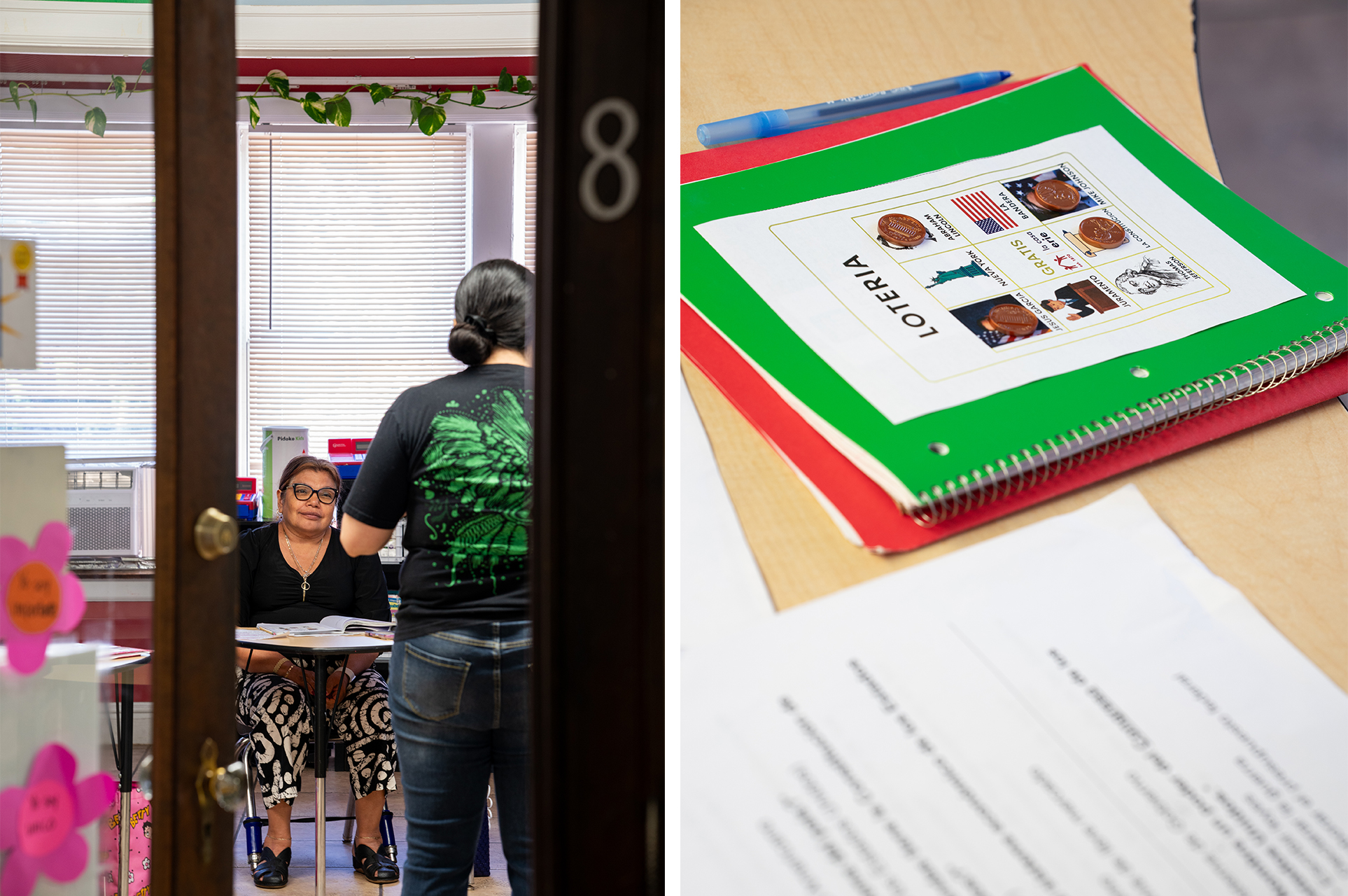
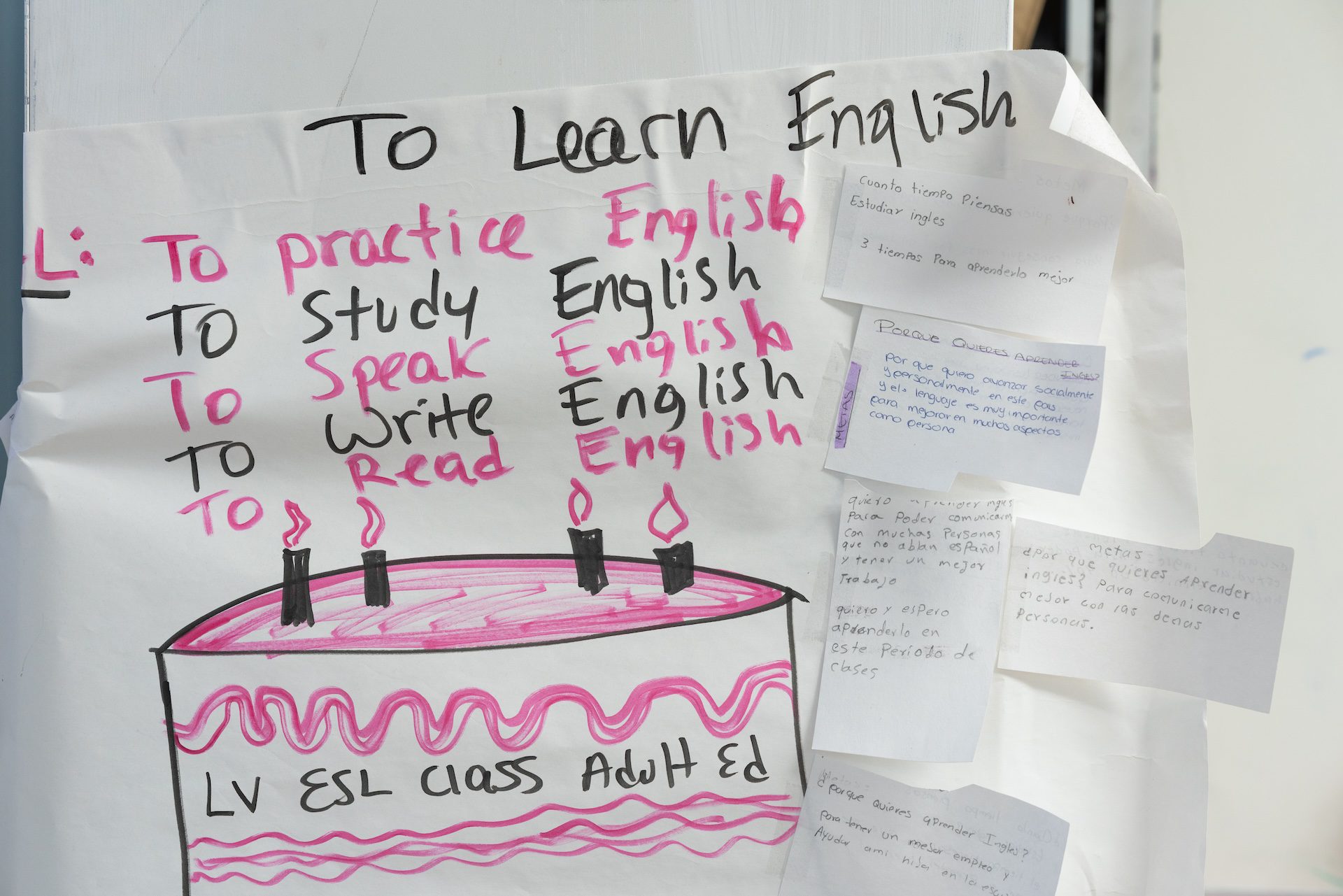
One part of the year is spent outside, working shifts at his restaurant job and enjoying the warm weather, while his winters are spent fostering indoor hobbies — practicing with his theatre group and taking English as a Second Language (ESL) classes at Erie Neighborhood House.
“It was like school all over again,” he said. “You go back to being a little kid and everyone gave me the confidence to go into a country and find myself, find my community.”
Noticias que ponen el poder en el punto de mira y a las comunidades en el centro.
Suscríbase a nuestro boletín gratuito y reciba actualizaciones dos veces por semana.
He describes the classes and community at Erie as “a warm blanket” he gets to retreat to during the winter time. It’s where more than half of his community was formed, he said.
“The community I have built at Erie House is a community of peace and love and light,” he said.
Medina originally began taking classes soon after he immigrated to Chicago from Mexico in 2013, hoping to improve his English and meet a new community in the process.
 Camilla Forte/Borderless Magazine/Catchlight Local/Report for America
 Gustavo Medina, originally from Mexico found a community at Erie Neighborhood House.
After President Donald Trump’s administration withheld federal funding for adult education programs last year and proposed eliminating funding altogether in its upcoming budget, Chicago adult educators are preparing for the possibility of deeper cuts.
The threat comes as some organizations are still recovering from last year’s disruptions, raising concerns about the future of adult education, GED preparation and job-training programs that help thousands of immigrants secure work and support their families.
“We still have to deliver our services, regardless of the circumstances,” said José Luis Mosqueda, adult education program manager at Erie Neighborhood House. “That reflects the character of the immigrant community. Regardless of the circumstances, our folks go to work.”
Federal funding uncertainty
When the Trump administration withheld roughly $715 million for adult funding nationwide in July 2025, programs across Illinois found themselves in limbo, unsure whether the funds they depended on would arrive.
Bria Dolnick, senior community literacy program manager at Literacy Works, said the uncertainty left some organizations feeling concerned.
“It made it so clear that things were hanging by a thread before and we just cannot rely on this federal funding if we want to have strong resilient programs that can serve the people that need them,” she said.
 Camilla Forte/Borderless Magazine/Catchlight Local/Report for America
 Bria Dolnick is senior community literacy program manager at Literacy Works.
Adult education programs in Illinois rely on a combination of state and federal funds. Federal funds are distributed through Title I and II of the Workforce Innovation and Opportunity Act (WIOA) and managed by the Illinois Community College Board (ICCB), which awards grants to local programs.
The state contributes roughly half of the funds for adult education, with the federal government funding the rest. Illinois programs apply for funding from ICCB through a grant application.
That reliance, advocates say, has left programs vulnerable to changes in federal funding as needs for adult education services rise.
Around 27.6 million people in the U.S. have limited proficiency in English as of 2023 — nearly doubling since 1990. Most are immigrants, some are U.S.-born individuals. Yet an analysis from the Migration Policy Institute found that programs that receive federal funding meet less than 5% of the need for adult English instruction across the country.
For fiscal year 2027, Trump’s budget proposal requests no funding for adult education within the Education Department, compared to $729.2 million allocated in fiscal year 2025.
While Congress approved funds for programs’ 2027 fiscal year, Dolnick said it has left providers rethinking how they “figure out a way forward.”
“The federal funding isn’t doing it,” she said.
The classroom strain
Adult education programs across Illinois are still feeling the effects.
Erie Neighborhood House, a Chicago-based organization offering support for immigrant and low-income families for over a century, was forced to downsize their own adult education program, which consists of ESL, GED, job training and citizenship courses.
Mosqueda, who worked at Erie for 25 years, says the organization has cut two of its instructors in the last year since the federal government withheld funds. He has had to teach some of the ESL classes at Erie in addition to his duties as program manager.
“That is very sad because it not only affected our instructors but our community and our students,” he said.
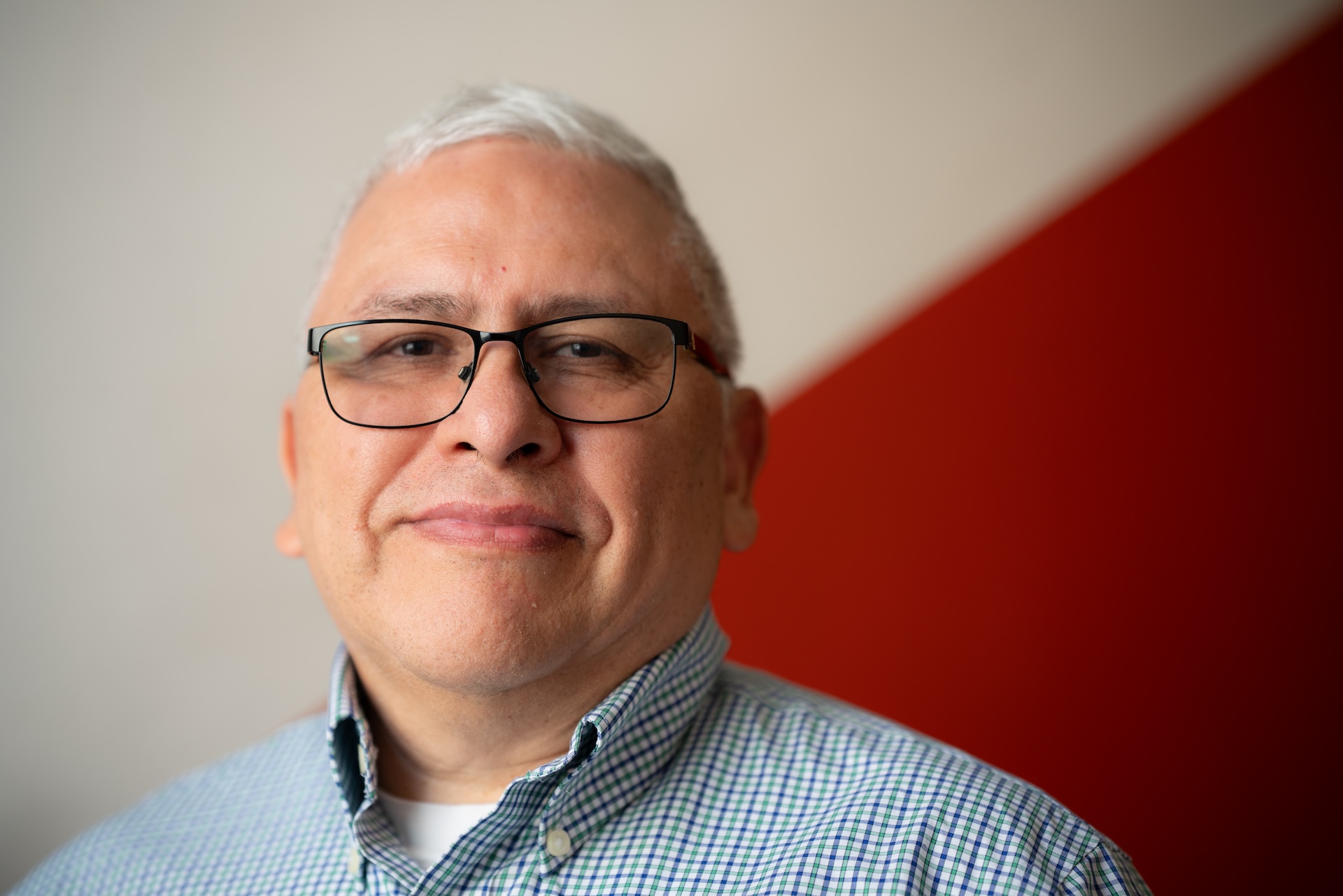
Erie Neighborhood House goes beyond meeting students’ needs, but also helping to build pathways for lifelong development, Mosqueda said.
“We want them to be leaders. We want them to advocate for themselves, to try and get more,” he said. “Once they become citizens, what’s next? . . . I want them to get the education to pursue a happy life, to pursue the happiness that this country promised.”
But others like Brian Kopinski, integrated English and workforce development manager at PODER, say the organization has not experienced any significant federal budget cuts specifically related to adult education, but has lost funding in the form of new grants for supportive programs that were awarded and later rescinded.
While funding is secured for the next year, he worries that volatility from the federal government could create another situation where federal funds are withheld from adult education programs across the U.S.
He says about a third of the organization’s funding comes from ICCB grants.
“That is what sustains most of our classes,” he said. “That big chunk is politically vulnerable and puts more of a need on the other sources that we can find since there are not any sources from the city itself for adult education.”
The fight for protection
As a result of previous threats to funding and ongoing concerns regarding the uncertainty of federal funds in the adult education space, PODER, Erie Neighborhood House and other local organizations offering adult education programs have formed a coalition to educate others about funding sources, and develop alternative funding strategies.
“It’s part of the larger thing we’re doing in our coalition right now,” Kopinski said, “to educate around how funding works for us through the federal government for adult education.”
Keighty Ward, community literacy program director at Literacy Works, along with Dolnick, leads the Coalition to Sustain Adult Education, which consists of different community-based organizations looking to protect adult education programs.
The organizations say they hope to continue the long-standing legacy of adult education classes in the city and state.
“We think of it in a way that the folks who are served by adult education are your residents and by starting them with adult education programs, language and basic education, you are able to lift them up and get them access to services,” Kopinski said.
The aim, Kopinski says, is to educate elected officials, philanthropic organizations and funders about the lack of funding, and the risk it poses to these programs.
“You’re helping someone who has a kid in school who can’t talk with their teacher, but now maybe you can advocate for your kid a little more.” he said. “[These programs] can put them on a pathway to a better job. It really just does contribute so much to the community.”
The coalition is working with elected officials, including Sen. Graciela Guzmán, to connect with other lawmakers and raise awareness about how the federal government funds adult education programs.
Guzmán said this work is critical as thousands of immigrants rely on adult education programs to build community and better navigate systems in their new country.
“I see a large portion of our community that is still struggling to do things like reading medical labels, reading vital paperwork, being able to understand important notices,” she said. “If you’re not able to do those things, that means that your lens in terms of what you can access and how you’re communicated with, is severely restricted.”
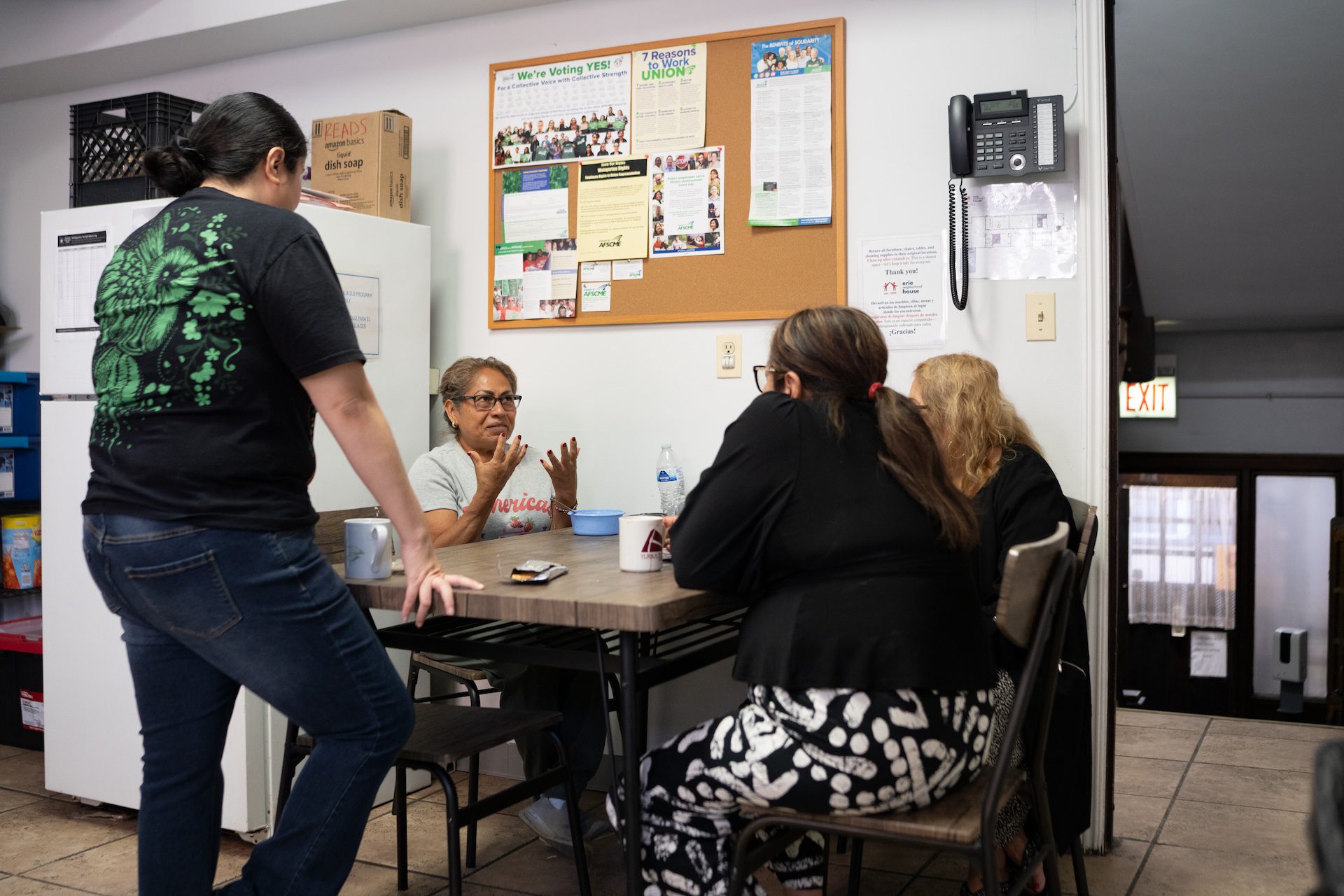

Guzmán also proposed a bill with ICCB, known as HB 5135, which passed both houses in May. It amends the Adult Education Act and Public Community College Act to acknowledge the uncertainty of funding in the adult education space.
The bill separates state-funded adult education programs from federal law, helping prevent disruptions to funding for Illinois adult education programs.
“That is really important because if the federal government does decide to make further restrictions upon the federal money that helps fund these programs in the state, we want to make sure that we are not limiting who can access what,” Guzmán said.
The coalition is also working to train and recruit students to participate in advocacy efforts — ensuring that adult learners have the opportunity to speak on the future of adult education programs.
“This is a real crisis,” Dolnick said. “But it’s also a big opportunity for the state to address long-standing needs that were not being addressed by the way that we fund adult education now.”
Tara Mobasher es reportera y redactora del boletín de Borderless Magazine. Envía un correo electrónico a Tara a [email protected]