 Kailey Ryan para Borderless Magazine
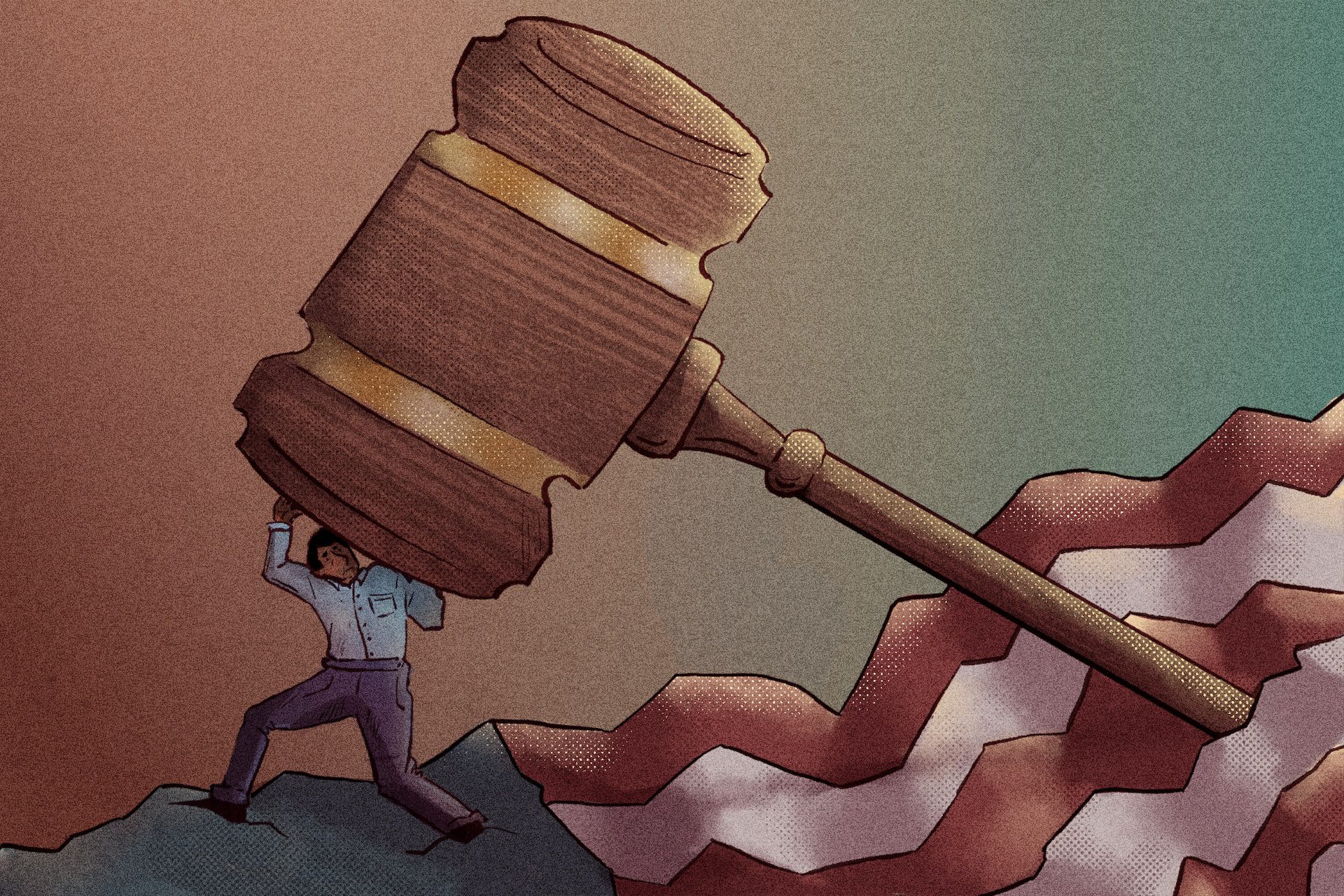
 Después de que ingresó a Estados Unidos para solicitar asilo, la decisión de una jueza de inmigración de Chicago le está dando vuelta a la vida de Alejandro.
El 6 de abril de 2026, Alejandro*, nacional venezolano, compareció ante la jueza de inmigración de Chicago Michelle Venci para una audiencia de asilo. La audiencia comenzó con la jueza Venci informando a Alejandro que el gobierno estaba solicitando un traslado a un tercer país - Ecuador- bajo un Acuerdo de Cooperación de Asilo, que permite al Departamento de Seguridad Nacional expulsar a solicitantes de asilo a países con los que el gobierno de los Estados Unidos tiene acuerdos bilaterales.
No queda claro si los encuestados permanecen encarcelados o liberados después de ser deportados a un tercer país, según Elizabeth Gibson, abogada gerente de desarrollo de capacidades en el National Immigrant Justice Center.
Una crisis comenzó en Venezuela alrededor de 2013, tras la muerte del veterano presidente Hugo Chávez y la llegada al poder de su vicepresidente, Nicolás Maduro, después de una elección.
Noticias que ponen el poder en el punto de mira y a las comunidades en el centro.
Suscríbase a nuestro boletín gratuito y reciba actualizaciones dos veces por semana.
Alejandro entró legalmente a EE.UU. usando la aplicación CBP One durante la administración de Biden, dijo. En la turbulenta y muy emotiva audiencia de asilo del 6 de abril, relató que fue separado de su familia y enfrentó dificultades económicas y violencia en Venezuela y Ecuador. La audiencia concluyó con la jueza Venci ordenando una deportación a un tercer país, Ecuador, e informándole que tiene 30 días para apelar la decisión.
Alejandro, quien mantiene a su familia en Venezuela, ha comenzado el proceso de apelación. Pero se enfrenta a una batalla cuesta arriba. Trece de los 15 miembros de la Junta de Apelaciones de Casos de Inmigración fueron nombrados por el presidente Donald Trump, y la administración Trump ha impulsado medidas para socavar la capacidad de los inmigrantes de apelar con éxito ante el comité.
Alejandro habló con Borderless sobre su historia.
Mi historia es como la de cualquier venezolano; hay 32 millones de nosotros, y soy uno de los que emigró cuando comenzó la crisis.
Cuando Maduro ganó las elecciones de 2013, la gente estaba descontenta. Empezamos a protestar; la gente salió a las calles. Venezuela se salió del control del gobierno porque la gente ya no tenía miedo. La gente protestaba, ejerciendo su derecho al voto. Enviaron a la Guardia Nacional para reprimir al pueblo. El gobierno arrestó a algunas personas que protestaron o que salieron a marchar. A otras las mataron o las hicieron desaparecer.
No había nada de comida; hambruna literal. Mi familia y yo pasábamos hambre. Solo comíamos una vez al día. Si tenías suficiente para el almuerzo, no había suficiente para la cena; tenías que acostarte a las 6 p.m. para que tu estómago no te despertara con punzadas de hambre. Pero nuestros estómagos sonaban como si tuvieran leones ahí dentro. Mi salario no era suficiente porque había una guerra entre la oposición y el gobierno. Los líderes del gobierno andaban en autos lujosos, viviendo bien, mientras que la gente pobre se empobrecía cada vez más. Fue entonces cuando comenzó la inmigración.
Nadie en ningún país quiere dejar su hogar, familia o estudios para venir a otro país. Nadie quiere vivir escondido, sin poder conseguir un trabajo porque no tiene papeles.
Muchos venezolanos decidieron irse e ir a Colombia. Llegué en 2014, trabajé allí por un tiempo, antes de regresar a Venezuela. Las cosas empeoraron; hubo la "Operación Tun Tun,” que fue una ofensiva por parte de las autoridades estatales contra los opositores del régimen de Maduro. Los militares aparecían en tu puerta, te sacaban a rastras delante de tus hijos, te metían en la cárcel y te torturaban. Formaron un grupo llamado la Fuerza Motorizada, que estaba lleno de matones. Montaban en sus motocicletas a través del barro, y cuando los estudiantes salían a protestar en la Avenida Bolívar y en La Isabelica, les mostraban sus armas para intimidar a los estudiantes. Intentaron silenciar, oprimir, la voz del pueblo.
Muchos nos fuimos por cualquier medio posible. Tomamos una bolsa pequeña y un par de trapos, los metimos en un bolsillo y nos fuimos hacia la frontera colombiana. Estuve en diferentes partes de Colombia: Cúcuta, Barranquilla y Cali. Estuve allí con la madre de mis hijos y estábamos trabajando.
Trabajamos en lo que pudimos encontrar: yo vendía dulces en los autobuses y en los semáforos. Limpiaba parabrisas. Incluso bailé en la calle.
En ese movimiento migratorio, emigraron todo tipo de personas—doctores, abogados, trabajadores de la construcción. Pero las pandillas se infiltraron entre los migrantes y, por culpa de ellas, pagamos las consecuencias.
Aprendí a hacer manualidades mientras estaba en la calle. Hice pulseras y un tipo de muñeca, una habilidad que me enseñó un amigo de Colombia. Había gente mala que quería quedarse con el dinero que ganábamos trabajando en la calle. Hubo una pelea y tuvimos que irnos.
Pedimos aventones, cuando los camiones reducían la velocidad en los topes, saltabamos a la parte de atrás. Así llegué a la frontera ecuatoriana, colgado ahí día y noche, soportando la lluvia y el sol. Nos subíamos a lo que en Colombia llaman una “mula.” Entrabas a la parte de atrás del camión, y había más inmigrantes, mujeres con niños. Cuando estábamos en el camino y parábamos para poner gasolina, los locales nos daban agua y naranjas y nos ayudaban. La gente nos tiraba comida al camión, y comíamos.
‘No te preocupes, volveré’
Mi familia finalmente se reunió conmigo en Ecuador, donde trabajé por algún tiempo, pero tuvimos dificultades para llegar a fin de mes. Me enteré de la oportunidad para que los venezolanos migraran a los EE. UU. utilizando la aplicación CBP One, y tuve que tomar la difícil decisión sobre si llevar a mis hijos en un viaje peligroso.
Me despedí de mis hijos en Tulcán, Ecuador. Ellos regresaron a Venezuela en autobús. Fue difícil despedirme de mi familia; empezaron a llorar.
Le dije a la madre de mis hijos: “No te preocupes, volveré.” Ella estaba embarazada de seis meses y no podía hacer el viaje a Estados Unidos, así que le dije que regresara a Venezuela y repartimos el dinero que habíamos ahorrado.
Para llegar a Estados Unidos, regresé a Colombia y me adentré en la selva. ¿Sabes qué es lo hermoso de lo que vine a hacer, a pesar de todo esto? La gente que conocí, los que ayudan a los niños.
Hicimos cadenas humanas para cruzar a los niños a través de los ríos para que no se ahogaran. Es hermoso ver cómo la gente intenta sobrevivir, porque es una lucha constante entre la vida y la muerte.
La primera persona que vi morir en la selva fue un hombre. Estábamos cruzando entre dos montañas, y abajo corría un río. Todos cruzábamos encadenados unos a otros, agarrados a una cuerda.
Vi a un hombre venezolano aferrado a una saliente abajo. Estaba al borde de la muerte e intentaba salvarse manteniéndose agarrado. Estaba desesperado porque decía, “Se va a morir, ayudémoslo entre todos.”
Pero todos estábamos más arriba, y no podíamos llegar a él, o moriríamos. Él se soltó, y todos gritamos.
Dije, “Él tiene familia, vino aquí por su familia. ¿Cómo se van a enterar de que murió aquí si ni siquiera hay señal de celular?”
Queríamos enterrarlo, pero la gente de nuestro grupo no dejaba de decir, “Déjenlo, ya está muerto.”
Seguimos avanzando. Caminando por la selva, vi muchos cuerpos sobre los que habían colocado piedras.
La selva tiene tres caminos: el camino de los que tienen dinero, el camino de los que tienen poco dinero y el camino de los que no tienen dinero.
Llegué a un lugar donde vi una carpa pequeña. Cuando abrimos la carpa, el papá, la mamá, el hijo y la hija estaban todos muertos. Cuando llegamos a Panamá, la gente que iba delante de nosotros nos contó lo que había pasado.
Dijeron que la madre, el padre y la hija salieron a hacer una fogata por la noche, mientras que el niño se quedó adentro. Entró una culebra y mordió al niño, y él murió. Cuando el padre y la madre vieron esto, se sirvieron creosota como si estuvieran haciendo café y la bebieron, y se envenenaron. El padre estaba acostado, abrazando al niño, y la madre estaba sentada con la hija. No le desearía eso a nadie.
Había un retén de hombres armados en lo profundo de la selva panameña. Nos robaron, se llevaron todo nuestro dinero y violaron a las mujeres. En uno de esos incidentes, un hombre estaba con su esposa. Iban a violarla y él intentó defenderla. Lo mataron a él y a su esposa. La madre del hombre quedó sola.
Conocí a un hombre que se había vuelto loco. Estaba con su familia cuando cruzaron el río y este creció. Cuando finalmente logró cruzar, su esposa, su hijo y su padre fueron arrastrados por la corriente. Él estaba en la orilla del río, sin camisa, esperando que su familia regresara.
Lo vimos deambulando por el campamento. Me dolió mucho verlo. Cada vez que pasaba un grupo, él buscaba a su familia. Creía que el río le traería de vuelta a su familia.
Después de Panamá, llegué a Costa Rica y empecé a trabajar descargando camiones. Ahorré algo de dinero porque nos habían robado en la selva.
Eventualmente llegué a México. Fue peor que cruzar la selva. Estuve secuestrado durante ocho días. ¿Ves esta cicatriz en mi cara? Me vendaron los ojos y me esposaron. Enviaron un video a mi familia y me liberaron después de que mi familia pagara un rescate.
Llegué a la Ciudad de México y conocí a otros venezolanos allí. Nos hicimos amigos. Conseguimos una cita de inmigración a través de la aplicación CBP One y el gobierno de EE. UU. la aprobó. Mi cita era para el 16 de marzo de 2023. Entré a los Estados Unidos por El Paso del Norte, Texas.
‘Ayúdame a encontrar un trabajo’
Estuve en Texas por una semana y busqué refugio en una iglesia y recé. No tengo familia aquí. Es como cruzar la frontera y ver este país enorme, y no hablas inglés, no conoces a nadie, no tienes nada que comer.
Había una especie de refugio dentro de una iglesia y me dieron alojamiento y comida. Luego nos subimos a un autobús para llegar a nuestro destino. Tengo un amigo aquí en Chicago que me acogió por dos días. De ahí, tuve que ir a un albergue.
Escribí un mensaje en inglés en un pedazo de cartón. “No pido dinero. Ayúdenme a encontrar trabajo.” Fui a donde están las obras de construcción y conseguí empleo.
Inicié el proceso para obtener mi permiso de trabajo, y mira dónde estoy ahora. Mi primera cita en la corte de inmigración fue el 11 de febrero de 2026. Me dijeron que Ecuador tiene un acuerdo con los Estados Unidos y que pueden deportarme a Ecuador.
Me tomó casi tres años llegar a este momento. Entré a Estados Unidos en 2023; ahora estamos en 2026. Pero el tribunal me quitará todo en tan solo un mes.
Todos los seres humanos, jóvenes como nosotros, tenemos sueños, metas y proyectos de vida, ¿cierto? Si un día viera a mi país liberado, sé que sería hermoso y todos regresaríamos. Mi sueño es que algún día cada lágrima que los venezolanos hemos derramado en tierras extranjeras sea recompensada.
Mi objetivo sigue siendo el mismo. Vine aquí para ganar algo de dinero y enviárselo a mi familia. No quiero ser rico.
En este viaje aprendí que la familia es donde empieza la vida y donde el amor nunca se acaba. ¿De qué sirve tener $1,000 guardado en el cajón si no tienes a tu hijo a tu lado ni a tu mamá para que te dé un abrazo? Hace poco llamé a mi mamá para decirle que la quiero y darle un abrazo, pero no pude sentir su calor.
Es muy difícil ahorrar para comprar un negocio en Sudamérica. Lo que más quiero es empezar un negocio para que mi familia pueda vivir de él.
No soy ecuatoriano, soy de Venezuela. Creo que es injusto que el tribunal me envíe a un país del que no soy originario, eso debería ser ilegal. ¿Crees que como hombre no me dio vergüenza llorar frente a la jueza de inmigración? Pero como padre, me duele porque ella no sabe todo lo que he pasado para llegar hasta aquí. No puedo volver a Venezuela, no hasta que ese gobierno se haya ido.
Me siento desmoralizado y triste, porque es como si quisieras correr y te cortaran los pies. Queremos trabajar, pero nos cortan el camino; no nos dan la oportunidad de alcanzar nuestras metas. Quiero alcanzar mis metas, y cuando me venga el hacha, me pondré pies de metal.
Esta historia fue producida como parte de una colaboración entre el Laboratorio de Investigación de Medill-Chicago y Borderless Magazine.
Este historia se ha realizado siguiendo el método colaborativo de Borderless Magazine. Para saber cómo creamos historias como ésta, consulta nuestra explicación visual.
*Se ha cambiado el nombre para proteger la privacidad.