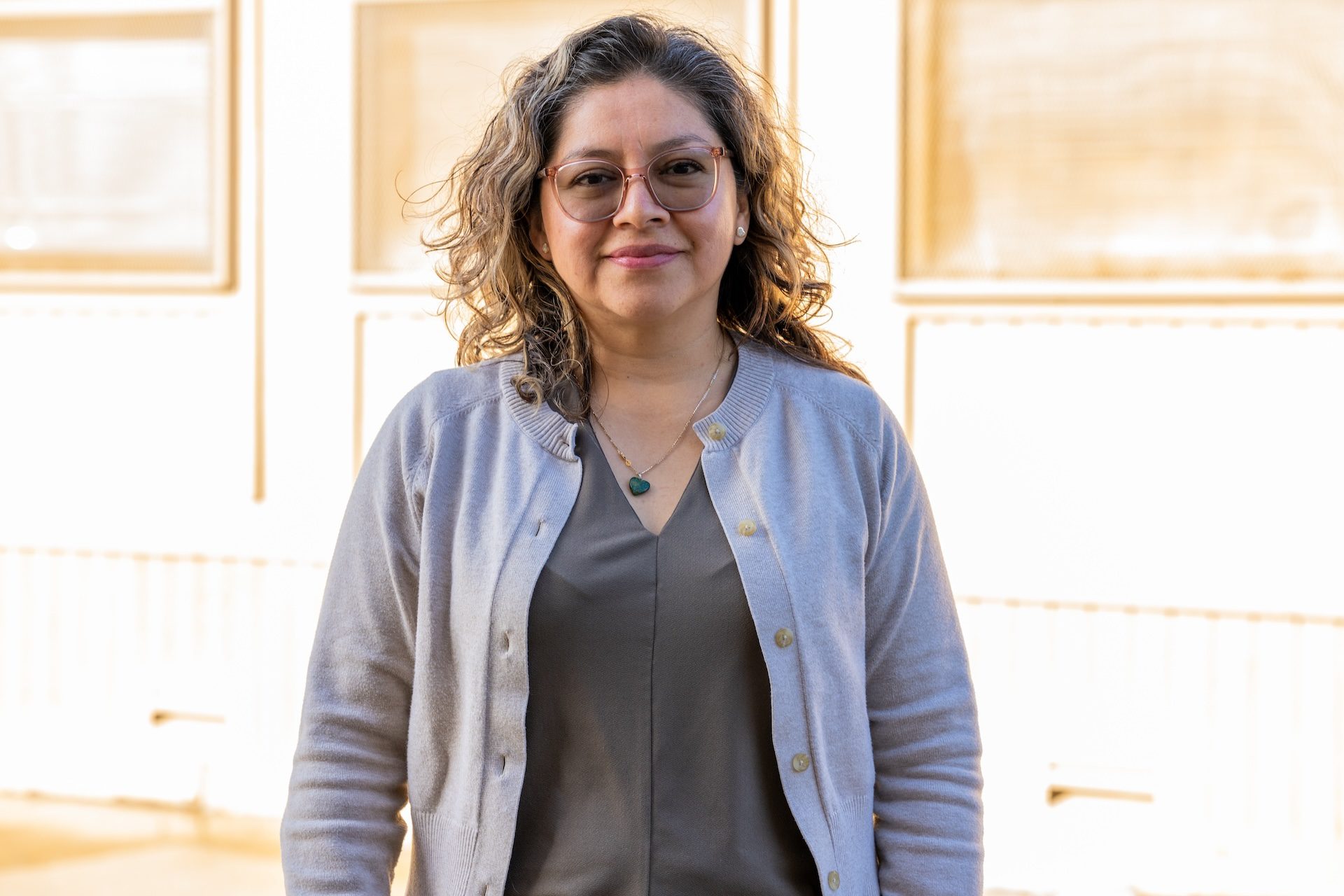
 Camilla Forte/Borderless Magazine/Catchlight Local/Report for America
En el apogeo de la Operación Midway Blitz, Diana Martínez trasladó sus grupos de apoyo comunitario al entorno en línea para continuar brindando atención esencial.
Esta historia ha contado con el apoyo de la campaña Brave of Us .
Esta historia forma parte de Seis Meses de la Operación Midway Blitz, una mirada de cómo las acciones de control migratorio del ICE han afectado a los inmigrantes de Chicago, y lo que están haciendo para protegerse mutuamente.
Como trabajadora de salud comunitaria, Diana Martínez no es ajena a lidiar con situaciones difíciles.
A través de su trabajo en Enlace Chicago - una organización con sede en Little Village que ofrece apoyo a los miembros de la comunidad — ha ayudado a familias inmigrantes a acceder a la atención médica en medio de recortes de fondos estatales y ha educado a los residentes sobre la vacuna COVID-19 durante una pandemia mundial.
Martínez también dirige grupos de empoderamiento femenino que pretenden elevar a las mujeres de su comunidad.
Noticias que ponen el poder en el punto de mira y a las comunidades en el centro.
Suscríbase a nuestro boletín gratuito y reciba actualizaciones dos veces por semana.
El grupo comenzó en 2017 con un grupo de apoyo entre pares llamado Grupos de Empoderamiento para Mujeres con Apoyo y Superación (GEMAS) o Women's Empowerment Groups for Support and Personal Growth. Debido a la popularidad de GEMAS, en 2021 se lanzó un segundo grupo, conocido como "Amor por Mi Mismo" o “Love for Self.” El grupo ofrece un espacio para que las graduadas de GEMAS continúen fomentando las relaciones que han construido.
Cuando caravanas de agentes del ICE y de la CBP comenzaron a realizar redadas en su vecindario de Little Village durante la Operación Midway Blitz, Martínez tuvo que posponer el inicio de su grupo GEMAS y trasladar sus reuniones de "Amor por Mi Mismo" al formato en línea.
Borderless Magazine habló con Martínez sobre lo que la Operación Midway Blitz significó para sus grupos de apoyo, así como sobre el impacto del aumento de las deportaciones y las redadas en su comunidad.
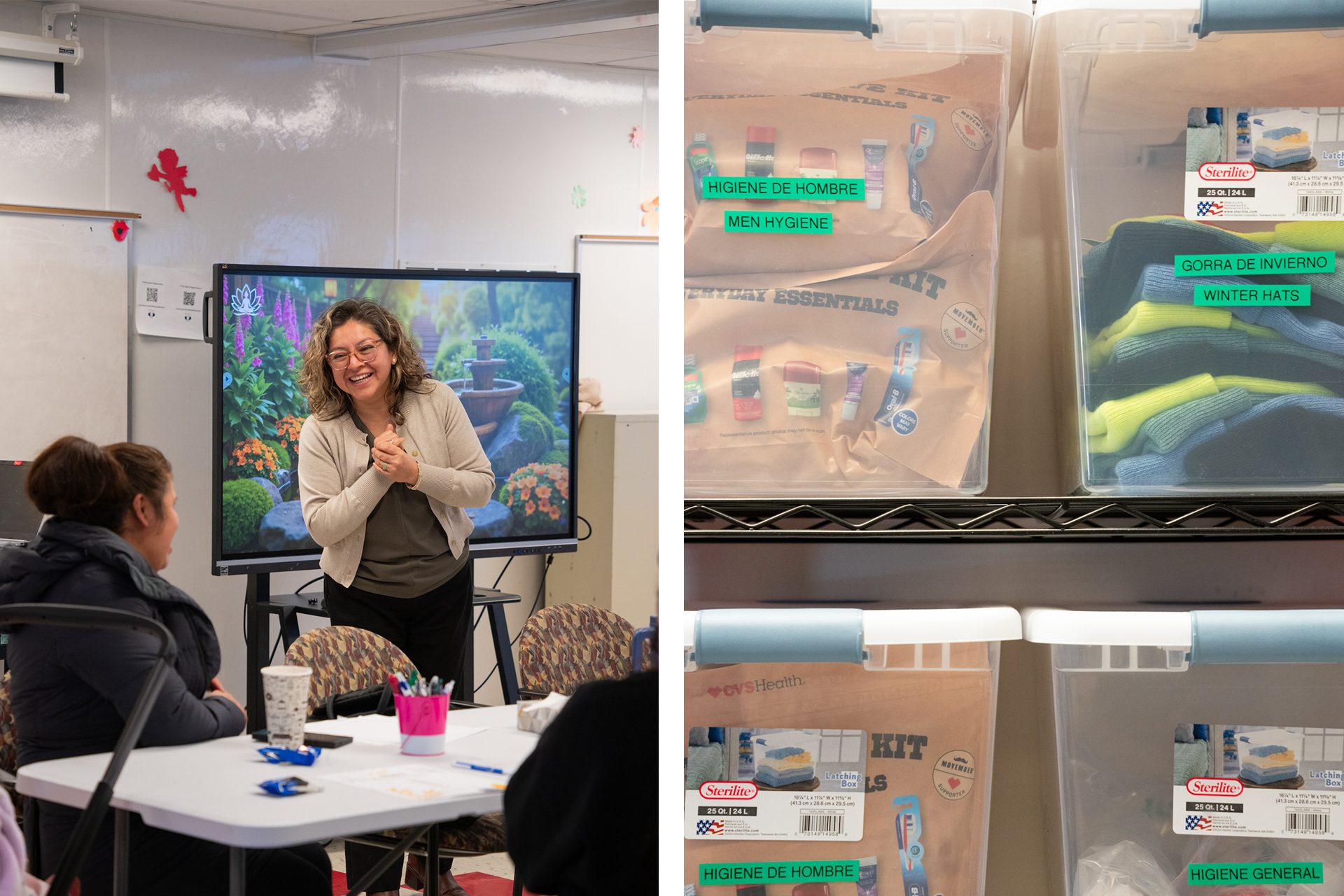
Como promotoras de salud, nuestra función es encontrar diversos apoyos para las mujeres que asisten a nuestros grupos, independientemente de lo que puedan necesitar. Por eso decidimos ofrecer a las participantes de "Amor por Mi Mismo" la opción de volver a reunirse virtualmente. Era una cuestión de acceso, pero más que eso, una forma de mostrar empatía en medio de las redadas que ninguna de nosotras había experimentado. Ha sido un desafío inmenso, también, para nosotras las promotoras de salud.
Era difícil sentir que no podía apoyar a la gente como debía. A menudo pensábamos: "¿Qué más podemos hacer? ¿Qué más deberíamos hacer?" Incluso cuando siempre hemos hecho todo lo que está a nuestro alcance. Siempre estamos ahí para las mujeres a las que cuidamos, pero lidiar con el aumento de las redadas de deportación y las amenazas a nuestra comunidad ha sido increíblemente difícil.
Me di cuenta de que muchas de las mujeres de mis grupos de apoyo estaban siendo inundadas con tanta información perturbadora durante el apogeo del Blitz. Evidentemente, eso me afectó emocionalmente, pero también era consciente del efecto que estaba teniendo en las mujeres de mi grupo. En esencia, siempre hemos sido un grupo de mujeres que se apoyan mutuamente.
Cuando nos reunimos, solemos hacer actividades para fomentar el autocuidado. Pequeñas acciones que permiten a las participantes bajar el ritomo y dedicarse un tiempo a sí mismas. Puede ser difícil hacerlo porque solemos estar muy absorbidas por factores estresantes y las ansiedades del día a día. Pero, por encima de todo, mi trabajo es escuchar. Muchas de las mujeres de mi grupo sólo quieren hablar sobre las situaciones difíciles a las que se enfrentan, cosas que no pueden hablar en casa o delante de sus hijos. El tiempo que pasamos juntas es de ellas. Sobre todo, lo más importante para mí es que se sientan escuchadas.
Quería que los espacios seguros que habíamos creado a través de nuestros grupos sirvieran de respiro, así que opté por hacer algo un poco diferente y evitar compartir con ellas información inquietante sobre la actividad del ICE durante esas reuniones. Mi esperanza era que pudiéramos utilizar las reuniones y los canales que habíamos creado como un lugar para ver las cosas de otra manera. Un espacio donde pudiéramos observar la situación y sentir esperanza.
Tenemos cuatro grupos activos de empoderamiento de mujeres como parte de nuestra programación a través de Enlace Chicago, pero sólo uno de mis colegas pudo seguir reuniéndose en persona durante el punto álgido de Midway Blitz. Mis dos grupos tuvieron que pasar a la modalidad virtual. No nos vimos en persona desde agosto hasta enero.
Si teníamos una reunión programada y se producía un avistamiento del ICE, se cancelaban todas las reuniones. Hacerlo así causaba incertidumbre, miedo y estrés tanto para los facilitadores y como para participantes.
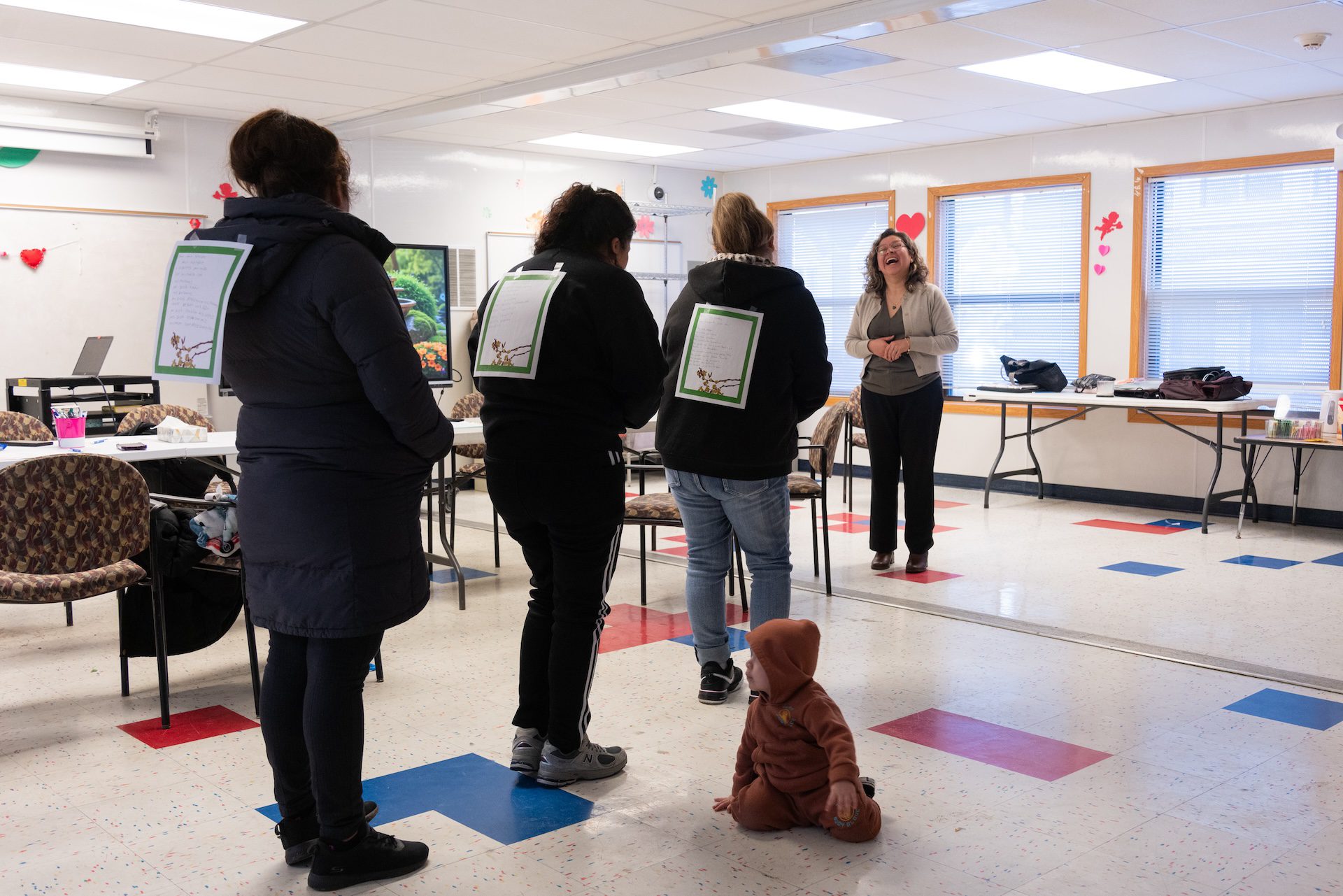
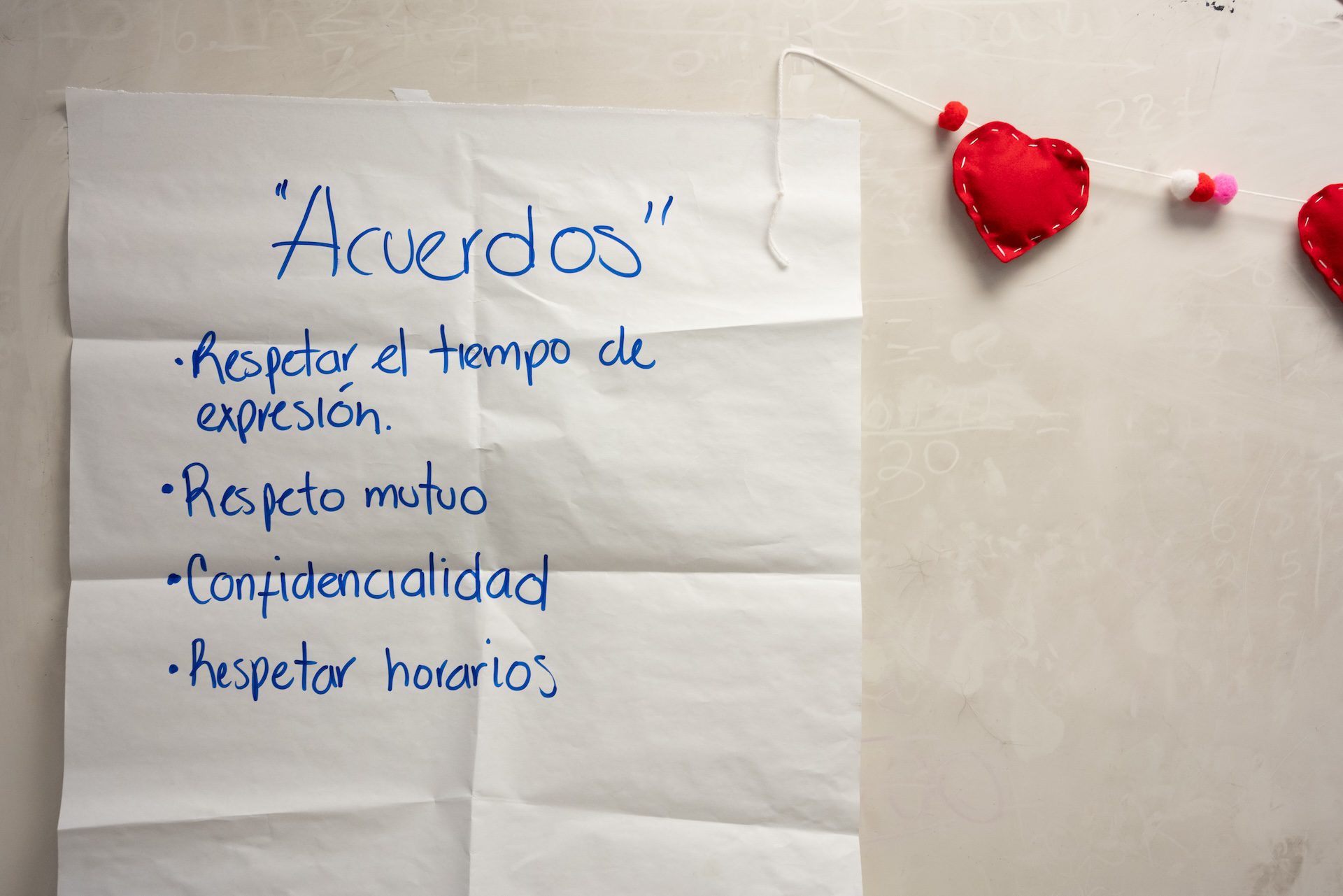
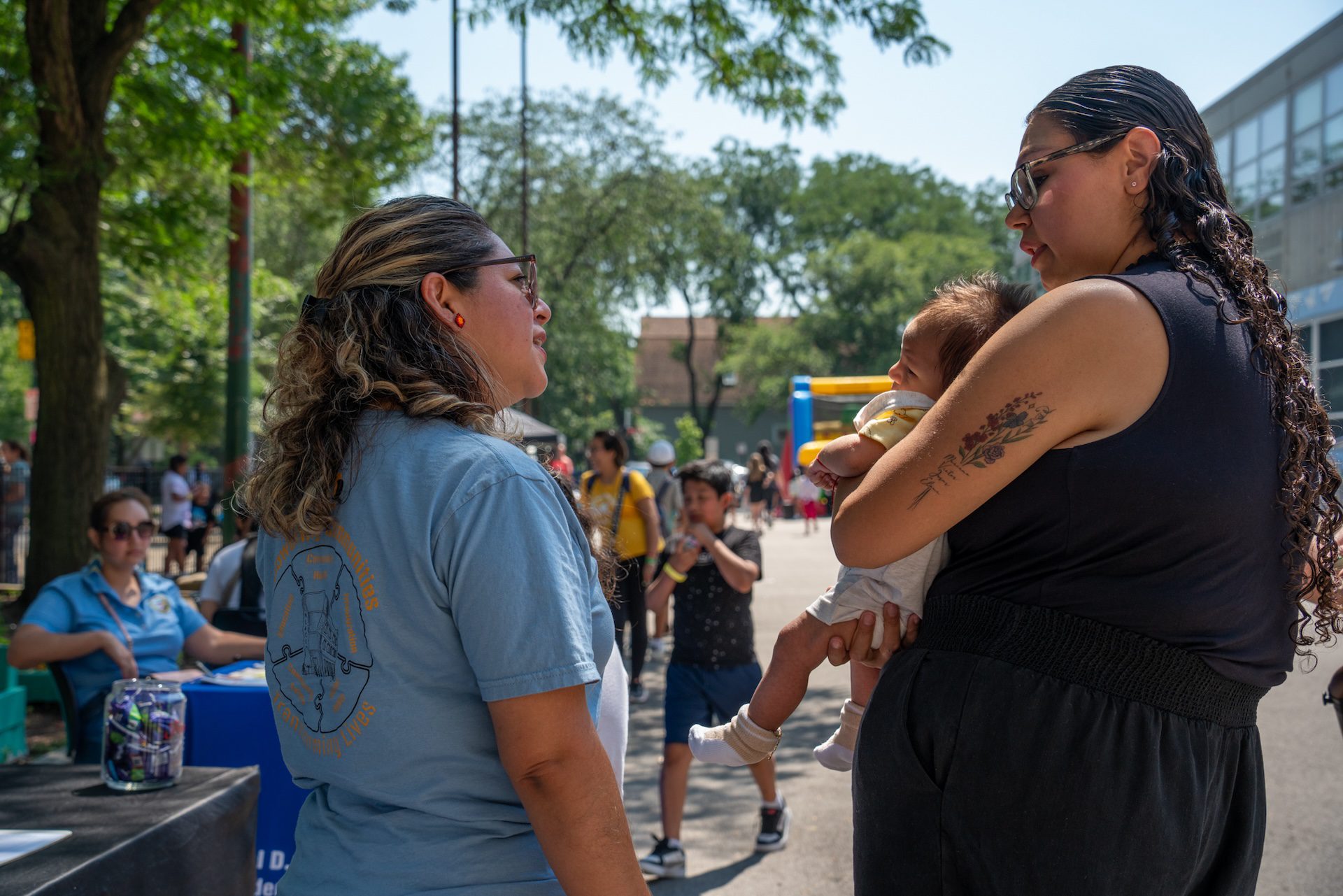
Me resultó un desafío retomar esas sesiones virtuales, y no todas lo preferían. Adaptarse a la tecnología fue más difícil para algunas de las mujeres mayores de mis grupos, pero para mí, fue un acto de solidaridad.
Estar en la calle no se sentía igual para mí que para algunas de las mujeres de mi grupo. Decidí que, hasta que pudiéramos estar todas juntas -sintiéndonos seguras y cómodas- nos reuniríamos virtualmente.
En enero, retomamos el trabajo donde lo habíamos dejado y volvimos a reunirnos con todas en persona. El número de participantes se ha ido recuperando lentamente hasta alcanzar el nivel que tenía antes de que empezara la Operación Midway Blitz. A algunas mujeres de mis grupos les tomó más tiempo sentirse listas para salir, y eso puede tener consecuencias para su salud mental. Ha sido hermoso verlas de regreso.
Algunos miembros de nuestra comunidad sienten ahora que pueden respirar con más tranquilidad. Digo algunos porque no es el caso de todos. Todos somos conscientes de que los agentes del ICE siguen en Chicago y de que sigue habiendo redadas. Obviamente, nos gustaría no creerlo, pero siendo realistas, esto no ha terminado. Los agentes federales de inmigración pueden volver cuando quieran.
Este reportaje se ha realizado con el método colaborativo de as-told-to de Borderless Magazine. Si quieres saber cómo creamos historias como esta, consulta nuestra explicación visual.
Camilla Forte es becaria de CatchLight y miembro del cuerpo Report for America que cubre las comunidades inmigrantes para Borderless Magazine. Se puede contactar con ella en [email protected].