 Max Herman/Borderless Magazine
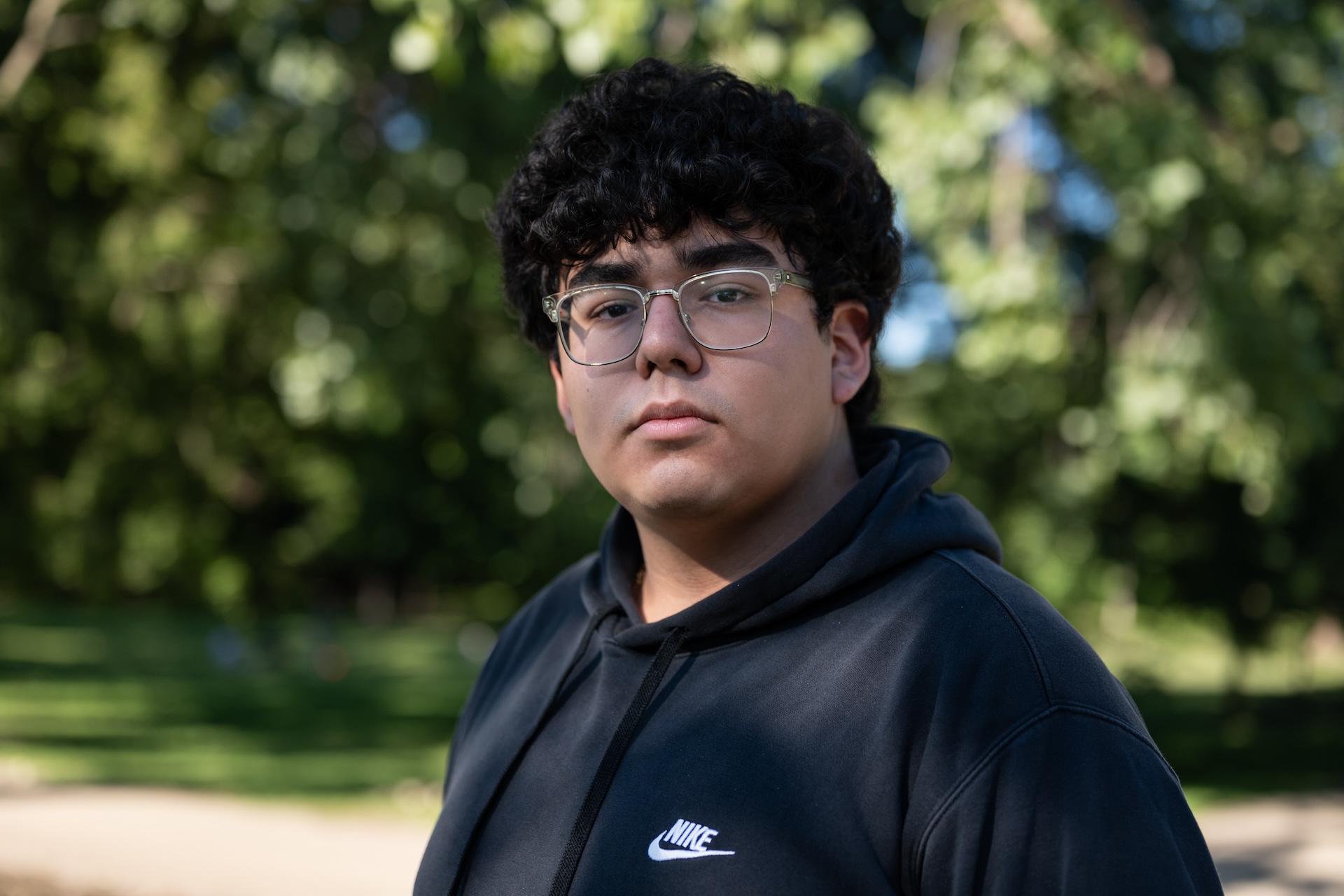
As Chicagoans prepare to elect its school board, first-generation Chicago Public Schools’ alum Froylan Suarez is voting to advocate for more bilingual resources for immigrant families like his.
At the age of 10, Froylan Suarez became the person his family relied on to navigate the education system his immigrant parents did not always understand.
Suarez, a first-generation CPS alum, would translate parent-teacher meetings, help his mother navigate enrollment paperwork and advocate alongside her for his younger brother’s special education support — which included securing a special education classroom assistant.
For Suarez and his family, the challenges reflected a broader challenge of how first-generation students often face additional systematic barriers when accessing school resources and gave him a firsthand look at how CPS budget cuts impact students and their families.
News that puts power under the spotlight and communities at the center.
Sign up for our free newsletter and get updates twice a week.
As Chicago voters prepare to submit their ballot this November for the first fully elected school board in 30 years, Borderless Magazine spoke to Suarez about his experiences navigating school as a first-gen student, his search for representation and how those experiences encouraged him to vote in the upcoming school board elections.
The weight of translation
I was always right next to my mother, as she was fighting for my little brother’s services, either as a translator or as support for her since I was 10 years old.
My mom was involved with my brother’s middle school board for 12 years. It was always inaccessible for us due to language barriers.
In elementary and middle school, I always had to translate conversations between teachers and my mom due to lack of translators.
When the school’s administration changed, there were budget cuts my brother and I did not understand. I think they negatively impacted students – especially those in the special needs program.
My mom and I would discuss those changes for months because we were stressed. We worried that my brother would get moved into a farther location or that he would be left without a school that could assist his needs.
She would give me updates of how my brother’s classmates transferred schools or were in the process of doing so and noticed fewer special needs students attending classes after budget cuts.
We would just discuss the uncertainty instead of directly messaging the school board because we didn’t feel empowered to push for administrative change. It always felt like people who could not speak the English language were overlooked.
That lack of access affected my education. My experience with CPS was different every year. I would be anxious because I never knew what to expect; the nerves were normal, but they were also based on previous classroom experiences. I was filled with pessimism and always expected the worst to happen.
I never took bilingual classes, so all of my homework was in English and it would be difficult for my mom to help me. In kindergarten, I got my first F because we didn’t understand the directions in my assignment.
Read More of Our Coverage
I struggled with transitioning to high school because I lacked the resources and knowledge of academic programs to properly decide which schools to apply to. I researched the same schools as my peers. My parents had no idea which schools would benefit me.
I felt like I was on my own to figure it out.
Looking back, those experiences defined me as a first-gen student and it might be similar to others.
Seeking representation
My mom has always taught me to look beyond what I got taught in school.
As I grew up, I realized systemic barriers limited good education. It wasn’t just about language but representation.
A good education allows students to explore perspectives in history. We should not just focus on one lens. We need to look at the different lenses each historical event has to offer and how it impacted different facets of that time.
I noticed there were many stories that didn’t focus on perspectives I could share. I think it always sort of excluded Hispanic voices – they didn’t at least focus on them and I began to look into Hispanic history in the U.S. or Mexico.
It wasn’t until my junior year of high school that I started learning about indigenous history in Mexico and their colonization. I think many students didn’t know that history beforehand unless they sought it out themselves.
I would learn about my culture by asking my mom about her family tree and our family history.
I was also lucky to be studying in a diverse school where I could meet people who were interested in that history and have conversations about it with them.
I think the environment plays a huge role for the success of students. They might experience less anxiety if they are surrounded by people with similar backgrounds.
Voting for change
All the time I spent with my mother as she fought for my brother has motivated me to advocate for an increase in funding towards special needs services this election. I want to represent the students and what they can accomplish.
This is the first fully elected school board election we have had in 30 years.
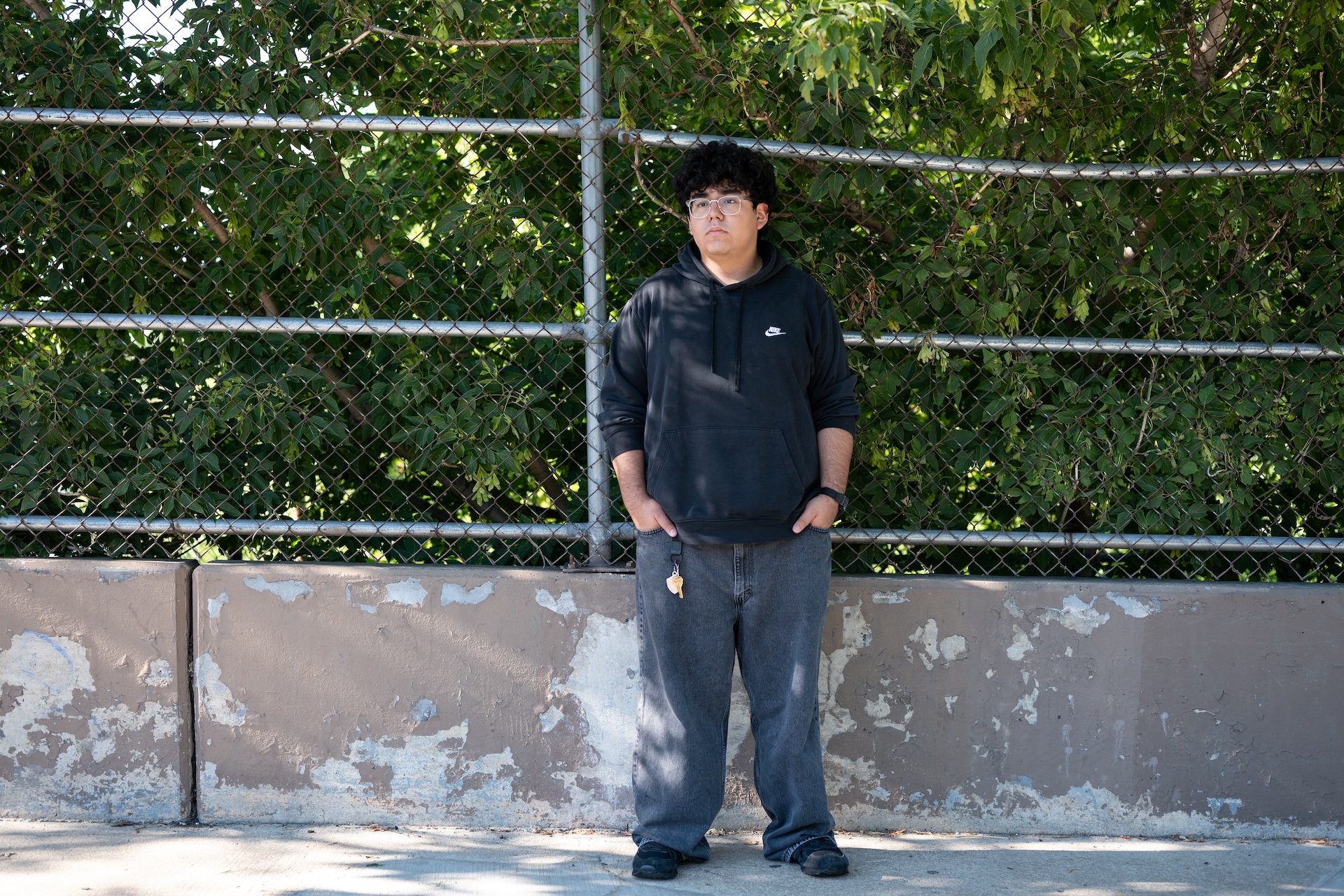
I want to vote in order to make a difference in the system and because my parents can’t.
My parents are unable to vote in school board elections due to their citizenship status and lack of awareness of it.
I want people to know that voting matters more than they think – every vote counts.
It’s more important now since we are in such a divisive time and we’re finally given the choice to give our voice and opinions.
Clarification 8/12/26: The photo caption in this piece has been updated to clarify that this is Chicago’s first fully elected school board election in 30 years.
This story is part of Borderless Magazine’s three-part series Beyond The Classroom highlighting the experiences of parents, students and educators navigating the intersections of immigration, education and civic life.
The story was produced with support from Press Forward — an initiative investing in local news and information — and uses Borderless Magazine’s collaborative as-told-to method. To learn how we make stories like these, check out our as-told-to visual explainer.
Samantha Monje is a Northwestern University journalism student and Pathways intern for Borderless Magazine. Contact Samantha at [email protected]