 Photo by Alyssa Schukar
A Borderless Magazine investigation found that Somali immigrants’ asylum cases were fast-tracked, making it harder for some of them to gather the corroborating evidence to prepare for their hearings.
Under the fluorescent lights of a windowless courtroom on the 15th floor of a downtown Chicago high-rise, a Somali asylum seeker named Mahammad shook his leg under the table as he stared up at Acting Assistant Chief Immigration Judge Craig Defoe. Preparing to give his testimony, Mahammad settled and leaned forward, turning his attention to his attorney. He began answering her questions, knowing just a few hours later, the judge would either allow him to stay in the United States or send him back to a country where he believed he would be killed.
Mahammad was born into a minority clan at the bottom of Somalia’s caste system. He fell in love with a woman from a majority clan, and the two married in secret. But when her family discovered she was pregnant, they tried to torture and kill Mahammad. After surviving multiple attempts on his life, he fled to the U.S., believing the majority clan-controlled government would not protect him. He never saw or heard from his wife again.
This was the testimony Mahammad gave to Acting Assistant Chief Immigration Judge Craig Defoe this April.
News that puts power under the spotlight and communities at the center.
Sign up for our free newsletter and get updates twice a week.
Mahammad had tried to get evidence of the violence he experienced in Somalia. Usually, asylum seekers will know about their hearings over a year in advance, giving them time to navigate their home country’s bureaucracies and mailing systems and translate and file their evidence in immigration court. But Mahammad was notified of his hearing just 33 days in advance.
Despite the rushed timeline, critical documents that Mahammad had requested from Somalia, which can often take months to arrive, were scheduled to be delivered on the day of his hearing. But when Mahammad and his attorney entered Defoe’s courtroom, they did so empty-handed.
In part because of the lack of corroborating evidence, the judge said Mahammad’s case lacked credibility and ordered him deported to Somalia.
Mahammad is one of hundreds of Somali asylum seekers across the country whose cases became part of the immigration court’s so-called “rocket docket” this year. Amid intense federal scrutiny of Somali immigrants, the Executive Office for Immigration Review (EOIR), the Department of Justice (DOJ) office that runs immigration courts, moved up asylum seekers’ hearings by months or even years from their originally scheduled dates.
“It’s extremely rare for there to be a clear targeting of a certain nationality in such an overt way like what’s happened with Somalis,” said Stephanie Spiro, associate director of protection-based relief at the National Immigrant Justice Center (NIJC). “There is animus, there is a prejudicial targeting.”
Between February and May, Borderless observed 35 hours of hearings for Somali asylum seekers in the Chicago immigration court. In those hearings, Borderless observed judges regularly denying asylum claims based on missing evidence that the immigrants did not have time to acquire; judges regularly citing a now-defunct rule from President Joe Biden’s immigration policy that disqualifies many Somalis from receiving asylum; and regular mistakes made by the EOIR, judges and immigration attorneys in the rush to address the fast-tracked docket.
In a response to these observations, the EOIR said reducing the immigration court backlog is one of their highest priorities and it will continue making scheduling adjustments to handle cases in a “timely and lawful manner.”
“The Justice Department is restoring integrity to our immigration system by hearing cases fairly, expeditiously, and uniformly, in accordance with the law,” the EOIR said. “Unnecessary delay hurts both aliens with meritorious claims and the American public who wish to see aliens with non-meritorious claims removed as quickly as possible.”
A federal bullseye on Somali immigrants
Immigration attorneys across the country date the start of the Somali docket to February, still in the wake of President Donald Trump’s public disparagements of Somali immigrants.
Trump began ramping up verbal attacks on Somali immigrants in December 2025 in response to both real and fabricated fraud schemes that cost the Minnesota government billions over the past five years. Eighty-five of the 98 people charged by the federal government for these fraud schemes were of “Somali descent,” according to the DOJ.
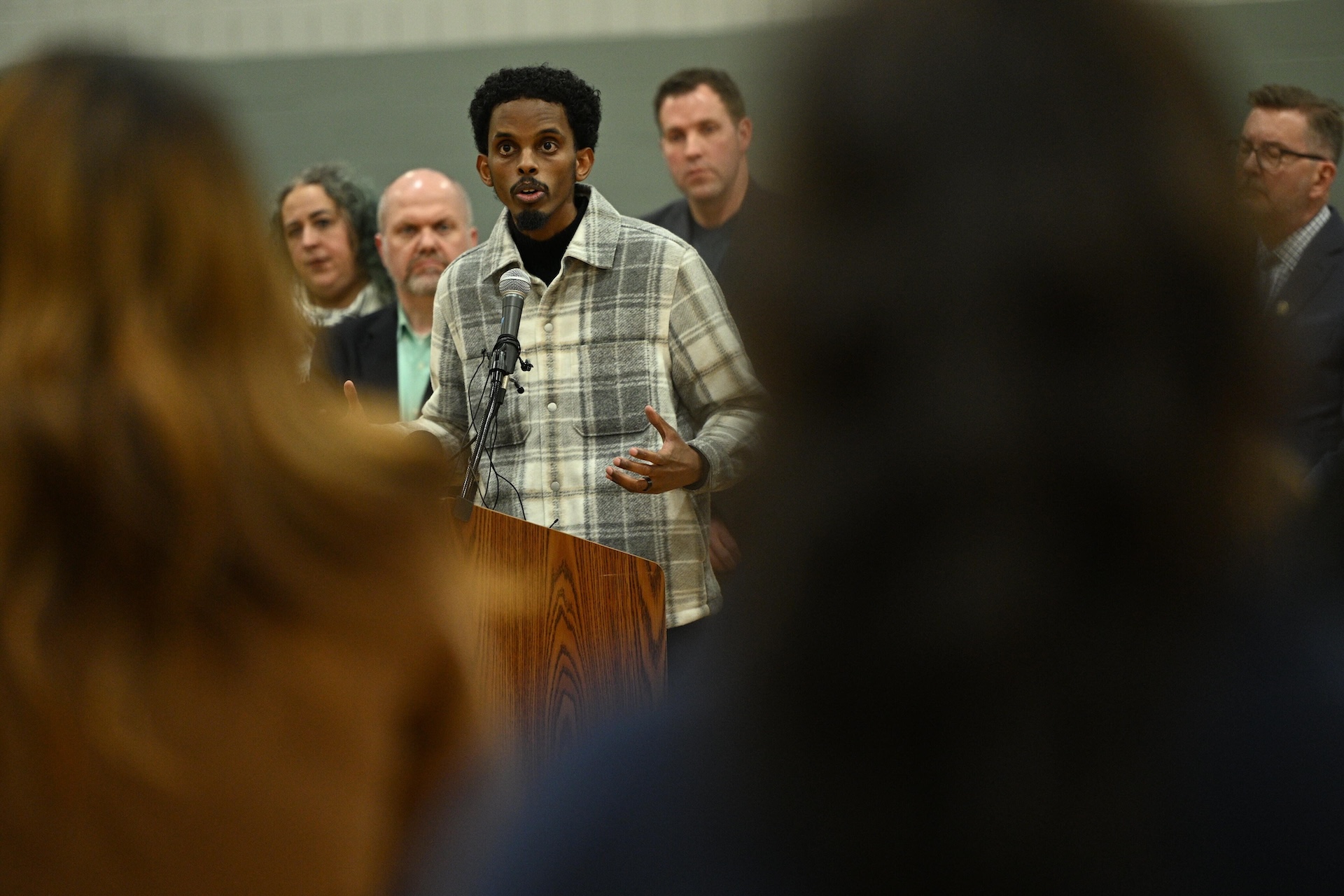
Then, in January, the federal government attempted to terminate Somalia’s Temporary Protected Status (TPS) designation.
TPS protects immigrants fleeing from hardship in their home countries from being deported, regardless of whether they are eligible for asylum.
Somalis have had TPS since the outbreak of the Somali civil war in 1991, which collapsed the country’s government and subjected citizens to clan-based, militant violence that killed hundreds of thousands of Somalis. While a new government developed in Somalia in the decades that followed, its power is questionable and is controlled by the majority clans. In the 2000s, the militant group al-Shabaab rose to power and now controls much of southern Somalia. Every presidential administration since 1991 has extended TPS for Somalis.
The Trump administration’s attempt to terminate TPS was stalled by a federal judge in March. However, after the Supreme Court allowed similar federal attempts to terminate TPS for Haitians and Syrians in June, immigration lawyers worry Somalis could lose their TPS designation.
Even if TPS stands, not all Somalis qualify for it. Those who don’t may seek asylum in immigration court, a legal protection for individuals fleeing persecution or who fear for their lives in their home country.
In February, Somali asylum seekers across the country were summoned to court with just a week’s notice to schedule their final hearings, where a judge decides on their case. Usually, there is a year or more between these scheduling, or “master,” hearings and their final hearings.
But for these Somalis, judges scheduled final hearing dates as little as two weeks in advance.
In March, a Midwest law firm and immigrant rights organization filed a federal lawsuit to halt the Somali rocket docket on the grounds that the fast-tracked cases were overwhelming immigration attorneys and making it impossible for them to do their jobs properly.
In their response, the federal government denied the existence of a “fast-track policy” for Somalis.
Ultimately, the judge ruled against the immigration attorneys’ specific claim, but found that the evidence suggests “some form of coordinated effort directed only at nondetained Somali aliens.”
Missing evidence
Over four months of observing Somali cases in Chicago’s immigration court, Borderless found strong evidence of a rocket docket and the ripple effects of rushed cases.
As in Mahammad’s case, Borderless found that the steepest challenge for asylum seekers with fast-tracked cases has been acquiring corroborating evidence. According to the Real ID Act, corroborating evidence is not required to support an immigrant’s testimony in immigration court if they “cannot reasonably obtain the evidence.” But judges are given full discretion over what is considered reasonable.
In the Chicago immigration court, Borderless observed judges consistently tying the credibility of Somali asylum seekers’ cases to the quality of their corroborating evidence. During a case in which Judge Defoe granted relief to a Somali man, he specifically stated that he believed the man’s testimony based on the supporting documents.
With little time to request and receive all their documents from Somalia, many immigrants in the rocket docket were missing key evidence, Borderless observed.
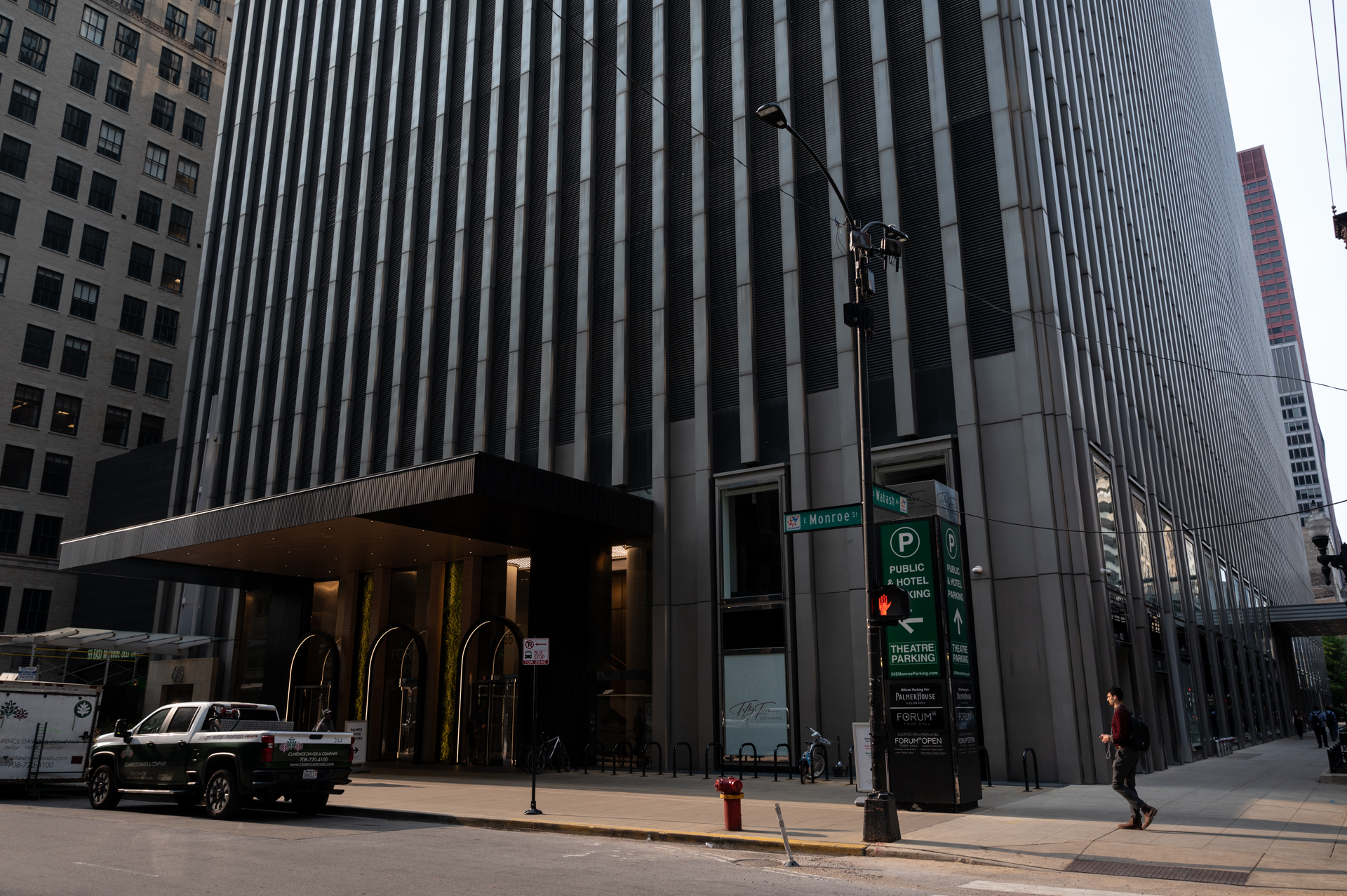
During a scheduling hearing in February, for example, attorneys asked Judge Defoe for later hearing dates so they could gather evidence. However, Defoe said that since the Somalis had been in the country for at least a year by then, they should have already gotten everything they needed. This opinion was echoed by other judges across the country, according to documents submitted in the rocket docket lawsuit.
Even when Somali asylum seekers did have evidence, Borderless observed immigration court judges admonishing them for minor inconsistencies. The most common of these were differences between their initial asylum application – written by the asylum seeker themselves – and their second ones written with the help of attorneys. Often, when asylum seekers come to the U.S., they speak almost no English and don’t have the money to hire an attorney, so they fill out their own applications as best they can.
Attorney Christopher Kurczaba, who represents several Somali clients, said this happens regularly for immigrants of all nationalities. Kurczaba said once when a judge asked one of his Russian clients why he didn’t include something in the first application that he did in the second, Kurczaba said the client responded, “because I have a better lawyer now.”
Automatic disqualification from asylum
Borderless also observed that Chicago judges consistently invoked the Biden-era Circumvention of Lawful Pathways rule, even after it was struck down by a federal judge.
Between May 2023 and May 2025, the Biden administration imposed a rule requiring asylum seekers to use a smartphone app to schedule an appointment with a border agent prior to entering the country. If someone entered the country without making an appointment, they were disqualified from receiving asylum.
The rule retroactively applies to those who entered the country while it was in effect. All of the Somali asylum seekers Borderless observed on the Chicago rocket docket entered the country during this period, but many told judges they were not able to use the smartphone app.
In all of the cases Borderless observed, every Somali asylum seeker used smugglers to flee Somalia because very few countries allow Somali passports to get visas and enter legally. In their testimonies in court this spring, several Somali immigrants said the smugglers would not let them use phones. Even if they could use their phones, smugglers would not house them for the months it would take to get a scheduled appointment.
As a result, the rule essentially made it impossible for many Somalis to receive asylum. Kurczaba said the rule “contravenes the asylum law completely.”
While the rule states there should be an exception for people who do not have access to a smartphone, there is often no evidence to support this fact for Somalis, and judges were critical of them for working with criminal smugglers altogether in cases Borderless observed.
On May 7, a federal judge officially ended the rule’s use to deny asylum claims to anyone. However, in cases in the Chicago court on May 11 and May 13, Borderless observed both Judge Defoe and Immigration Judge Donald Eller invoke the rule to deny asylum claims.
Neither Defoe nor Eller responded for comment by publication.
Overwhelming caseloads strained the system
While Somali asylum seekers have borne the brunt of challenges from the rocket docket, the fast-tracked cases have put a strain on all members of the immigration court system. And lawyers are concerned the rocket docket could be a test case for broader changes coming to the immigration system.
On every docket observed by Borderless in Chicago, Defoe initially saw all of the Somali cases. Borderless observed the judge regularly assigned three hearings per day, each averaging over three hours, longer than most asylum hearings observed in other courtrooms. It was common for cases to go so long that the final hearing of the day would start too close to when the interpreter timed out for the day, and Defoe would need to reschedule.
This happened so often that a new backlog of cases developed either scheduled out to the end of the summer or left in limbo as the EOIR figured out scheduling.
Starting in May, several lawyers noted their Somali cases were reassigned to Eller, a Chicago “satellite” judge who sees cases virtually from Fort Worth, Texas. On his first day on the rocket docket, he got through all three of his cases.
In one of those cases, Eller denied asylum to one person who was threatened by al-Shabaab for working with an American company and for his religious beliefs. Eller said since the Somali government was at war with al-Shabaab, the government could protect him from harm.
But in that case, the attorney had submitted “country conditions” evidence: reports from the U.S. Department of State on Somalia that said the Somali government could not protect its citizens from Al-Shabaab. In a hearing earlier that week with the same lawyer who submitted the same country conditions, Defoe granted relief and cited those reports in his decision.
Borderless also observed that the EOIR made logistical errors for Chicago rocket docket cases. The department failed to send the correct interpreter for men who spoke Garre in three separate cases, Borderless observed. For the second and third of these cases, Defoe spent hours trying to determine whether they could proceed, but ultimately had to reschedule the hearings.
Immigration attorneys’ work overload, described in the rocket docket lawsuit, was evident in Chicago court cases that Borderless observed as well.
Ben Baumgartner, a Kansas-based attorney who represents hundreds of Somali clients across the country virtually, including in Chicago, said he’s given up all his free time for these cases.
In an April hearing, Baumgartner forgot to file a respondent’s birth certificate, his only form of identification. Judge Defoe reminded him to file it and allowed it to be entered into the record. Baumgartner apologized, saying that he had been up until 3 a.m. that morning working.
“There’s a million boxes to check, and so when there’s not quite adequate time, one box might not get checked,” Baumgartner told Borderless.
Baumgartner said he’s sympathetic toward judges handling the rocket docket since they are also swamped with these cases. Even though he disagreed with judges’ arguments that respondents should have already gotten the evidence to be ready for trial, he believes everyone is getting a “reasonably fair shot.”
“I do think that there was a need in immigration court for better efficiency,” Baumgartner said. “I don’t know if targeting one group of people and putting them all in a few months was the right way to do it, but I do think something has needed to change.”
Somalis in Chicago come together
For years, Somalis have been able to find refuge in the U.S. through TPS and the asylum system.
Abdinasir Kahin knows this well.
When Mahammad was denied asylum in April, Kahin was sitting behind him in the courtroom. Kahin has witnessed firsthand how the immigration system has changed since he came to the U.S. as a Somali refugee in 2002, eventually receiving asylum.
Kahin has spent almost every day in court since March supporting fellow Somalis and East Africans as they navigate the complex court system. He has built relationships with immigration lawyers across the city and has become a trusted interpreter and advisor for them.
“Someone was telling [me], ‘how do you do these things and you don’t get paid?’” Kahin said. “I told them it’s not something I think about.”
A U.S. citizen since 2016, he credits his survival in America to the kindness of the people who helped him when he first arrived in the country. Now he seeks to return that favor.
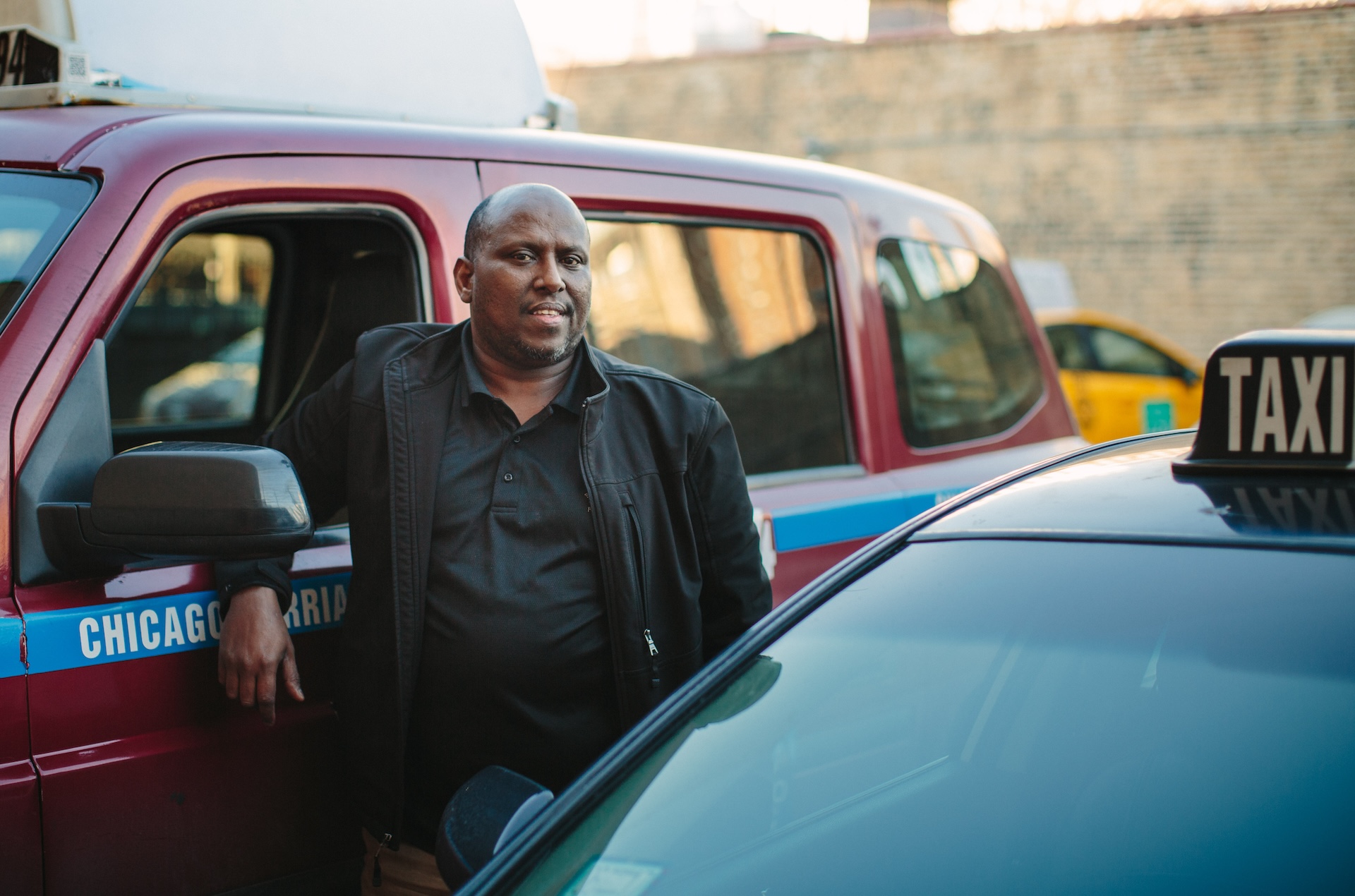
For years, he was a Chicago taxi driver. In 2009, he was awarded Cab Driver of the Year by Mayor Richard Daley for hopping out of his taxi to help the police chase down a thief.
Now, he and his wife own Somali Safari, a restaurant in Rogers Park that has become a safe haven for Chicago’s Somali community.
“This became a meeting point for these Africans,” Kahin said. “Everybody came to know I volunteer, so they bring more and more problems.”
Immigration judges have full discretion on who they allow into final asylum hearings, making Kahin’s work more challenging. While Defoe allowed observers for the final individual hearings that Borderless observed, attorneys said they are unsure whether Eller will allow Kahin to observe their clients’ virtual hearings. Still, Kahin, who speaks several languages, has an important role as an interpreter, breaking down the attorney’s legal language for their clients.
Kahin and attorneys are helping Mahammad and many other Somalis appeal their denials, including for the improper use of the Biden-era rule. The first appeal is made to the Board of Immigration Appeals. If that fails, they can take the case outside of the immigration system to the 7th U.S. Circuit Court of AppealsImmigrants get a stay of removal while they are appealing.
As cases continue to be heard through the summer, Kahin said he will not stop attending hearings and advising Somali immigrants, even if he really should be helping his wife at their restaurant.
“I’m still very optimistic things will change,” Kahin said. “The immigration system is broken. It needs to be fixed once and for all.”
Benjamin Lauren is a MSJ Candidate at Northwestern University Medill School of Journalism.
This story was produced as part of a collaboration between the Medill Investigative Lab-Chicago and Borderless Magazine.