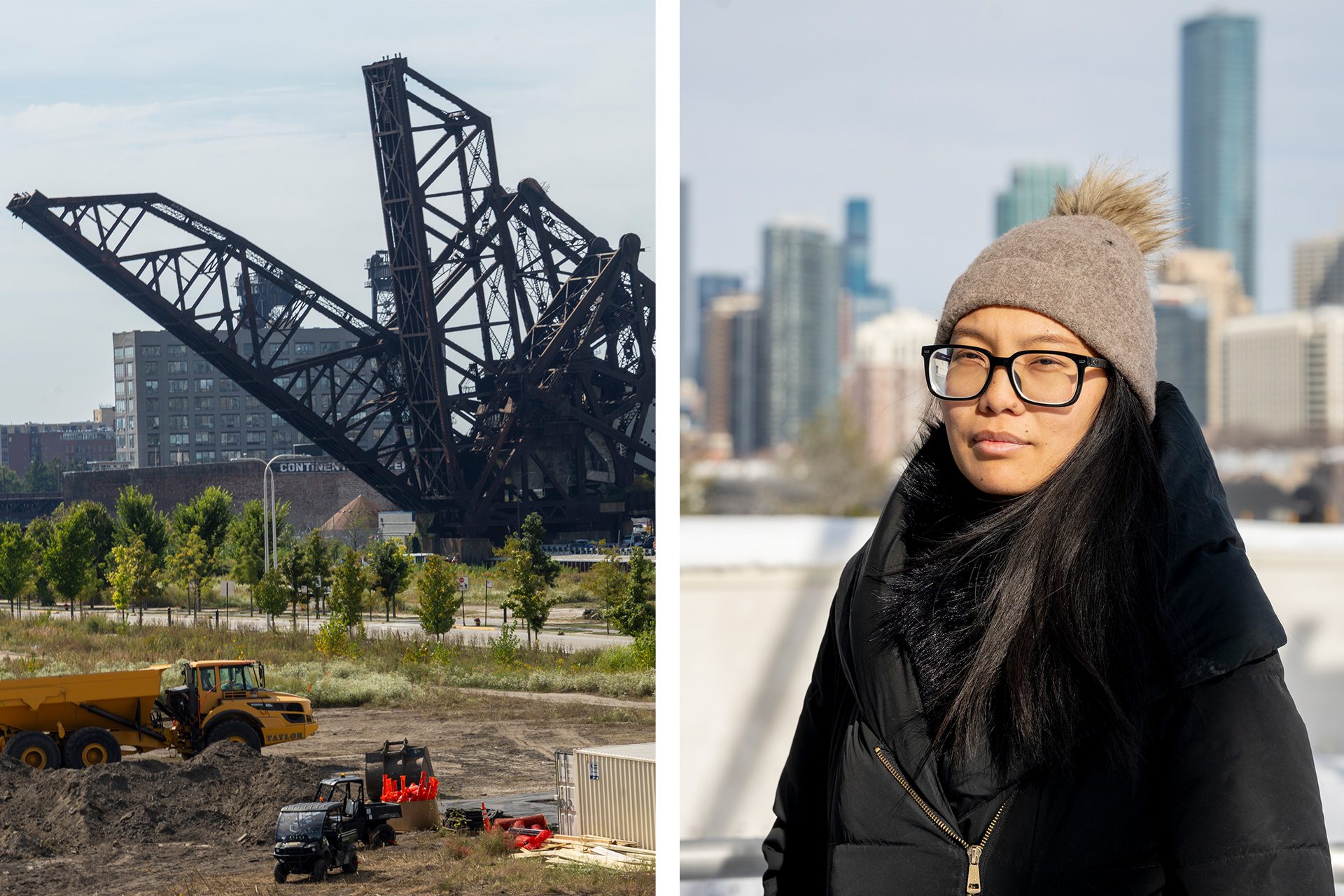
 Camilla Forte/Borderless Magazine/Catchlight Local/Report for America
Aunque el monto de los subsidios fiscales para el estadio aún no se ha decidido, los miembros de la comunidad están presionando para que se llegue a un acuerdo formal para garantizar las viviendas asequibles y los beneficios económicos prometidos por el desarrollo.
You Guang Huynh no se enteró de la construcción del nuevo estadio del Chicago Fire cerca de los negocios de su familia en Chinatown hasta enero — dos meses antes de que se esperaba que comenzaran las obras.
"Debería ser bueno, ¿verdad?" se preguntó Huynh, quien trabaja en el centro de acupuntura Nam Bac Hang en Cermak Road.
La incertidumbre de Huynh refleja los sentimientos encontrados de los miembros de la comunidad ante el proyecto. Algunos creen que el estadio atraerá tráfico peatonal y negocios al área de Chinatown, mientras que otros temen que pueda expulsar del vecindario a los residentes que llevan mucho tiempo viviendo allí.
Noticias que ponen el poder en el punto de mira y a las comunidades en el centro.
Suscríbase a nuestro boletín gratuito y reciba actualizaciones dos veces por semana.
Mientras el promotor Related Midwest ponía el martes la primera piedra del estadio, el proyecto ha suscitado preguntas sobre cómo Chicago debería gestionar el desarrollo a gran escala cerca de vecindarios de minorías y de bajos ingresos.
Algunos residentes y activistas están pidiendo un acuerdo de beneficios comunitarios (CBA, por sus siglas en inglés) para garantizar que los residentes y las empresas de los vecindarios de inmigrantes circundantes dispongan de protecciones sólidas contra posibles aumentos en los impuestos a la propiedad y los costos de vida.
"El problema fundamental que veo... es el conjunto de todos los desarrollos en Chicago, y cuál es el impacto real que va a tener en la ciudad cuando los residentes de la comunidad no tienen voz ni voto," dijo Debbie Liu, copresidenta del Ping Tom Park Advisory Council.
Un estadio a punto de transformar el South Loop
El futuro estadio del Fire se encuentra al norte del Ping Tom Park en Chinatown. El terreno de 62 acres sin urbanizar, propiedad de Related Midwest, se conoce como The 78, una referencia a las 77 áreas comunitarias de Chicago.
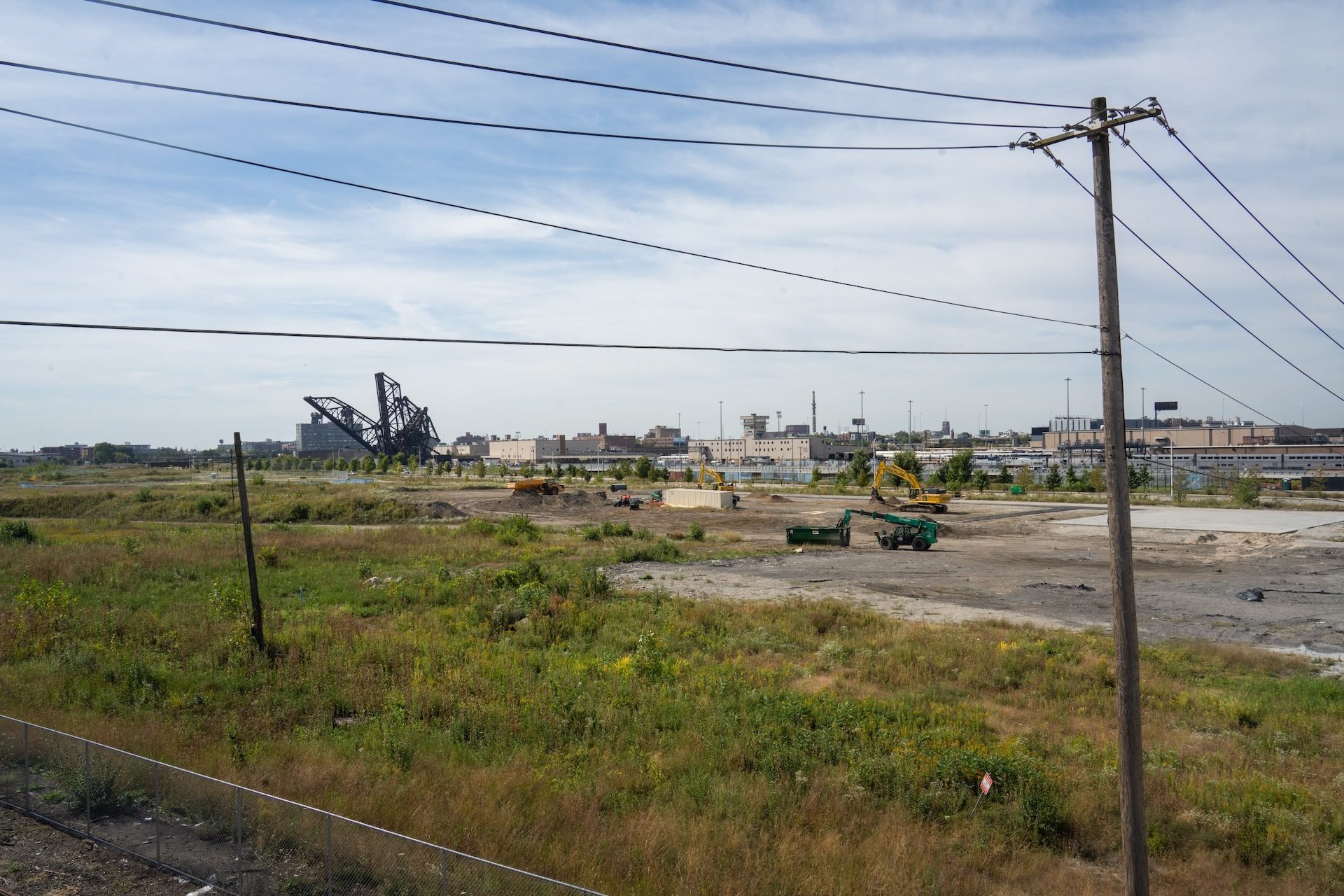
El promotor compró la propiedad hace una década con la idea de crear el vecindario "78" de Chicago. A lo largo de los años, se han debatido varias ideas para el terreno, incluyendo un casino, un centro tecnológico para la Universidad de Illinois Urbana-Champaign, una sede de Amazon y un estadio de los White Sox. Sin embargo, el terreno ha permanecido prácticamente intacto hasta ahora.
En junio de 2025, el propietario del Chicago Fire FC, Joe Mansueto, anunció planes para financiar con fondos privados un nuevo estadio de $750 millonescon capacidad de 22.000 personas. El estadio pretende no solo "anclar el futuro vecindario 78 de la ciudad," sino también "servir como catalizador para la creación de empleo, el desarrollo económico y una vida comunitaria vibrante," según el sitio web del Fire.
Tanto Related Midwest como los del Fire dicen que el estadio y el proyecto más amplio del The 78, una vez finalizado, aportarán beneficios como inversión económica, ingresos fiscales, empleos en la construcción y viviendas asequibles.
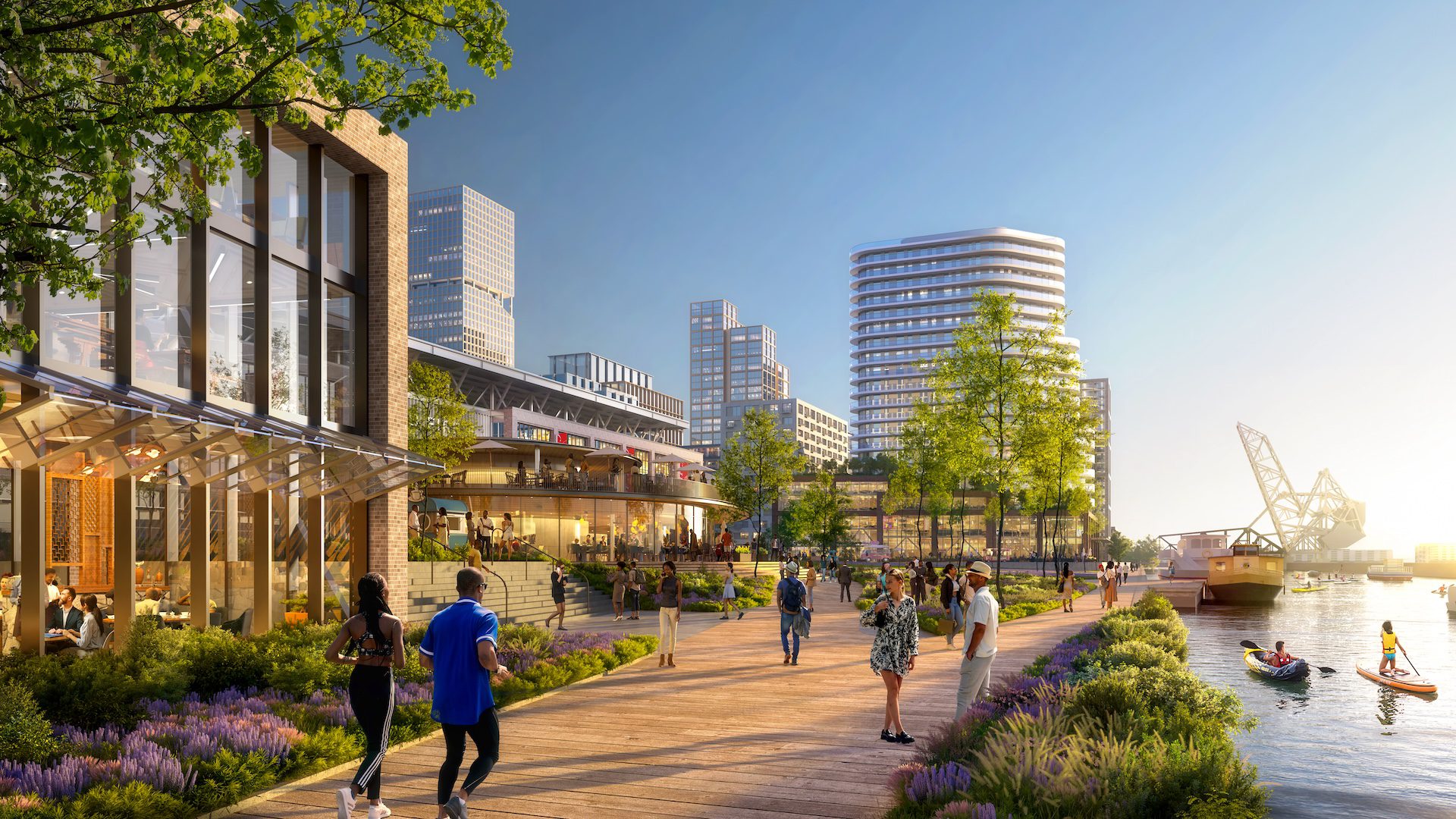
A pesar de estas promesas, algunos miembros de la comunidad de Chinatown y Bridgeport están preocupados por el impacto negativo del megadesarrollo en los vecindarios existentes.
En una carta enviada en septiembre a la Comisión de Planificación de la ciudad, la Coalition for a Better Chinese American Community (CBCAC, por sus siglas en inglés), el Ping Tom Park Advisory Council, el Lugenia Burns Hope Center y otras entidades expresaron su preocupación por la gentrificación y el desplazamiento. Pidieron un proceso de desarrollo más equitativo.
"Este vecindario histórico se ve amenazado por propuestas de desarrollo a gran escala que no tienen en cuenta las realidades vividas de los residentes y los propietarios de pequeños negocios," escribió el grupo.
Cuatro meses después del anuncio del estadio, la Comisión de Planificación de Chicago y el pleno del ayuntamiento aprobaron el proyecto en septiembre.
"Este es un momento emocionante para Chicago, y especialmente para los habitantes del distrito 3," dijo la concejala Pat Dowell (distrito 3) en un boletín informativo enviado a sus electores en octubre de 2025. "La transformación de terrenos baldíos en un desarrollo vibrante es una oportunidad desafiante pero a la vez estimulante."
Preocupaciones por las aportaciones de la comunidad
Algunos miembros de la comunidad de Chinatown y de Bridgeport dicen que el proceso de aprobación se ha desarrollado con demasiada rapidez para que la opinión de la comunidad sea significativa.
"Al igual que muchos otros desarrollos que se han producido en la ciudad, parece que se han llevado a cabo de forma silenciosa y rápida, sin contar con la opinión de la comunidad," dijo Amanda Mauser, residente de Bridgeport desde hace mucho tiempo.
Related Midwest celebró más de una docena de reuniones comunitarias con las partes interesadas durante la planificación del estadio, dijo la concejal Dowell durante la ceremonia de inicio de obras. La concejal dio las gracias a los residentes de su distrito por asistir a las reuniones y aportar críticas, comentarios y apoyo.
"Este tipo de proyectos no se desarrollan de forma aislada. Requieren muchas aportaciones y escuchar," dijo Dowell.
"La recepción de la comunidad al Fire como eje central de The 78 ha sido sumamente positiva," según el resumen de Related Midwest a la Comisión de Planificación.
Un portavoz de Related Midwest no respondió a las preguntas de Borderless sobre los esfuerzos de participación comunitaria.
El equipo de Chicago ha "participado estrechamente con los residentes y las partes interesadas de la comunidad durante el proceso," dijo Dan Cohen, director sénior de comunicaciones del Fire, en un correo electrónico. "El club ha trabajado en estrecha colaboración con la oficina [de la concejala Dowell], la ciudad, y sus socios para garantizar que las aportaciones de la comunidad ayuden a dar forma al proyecto."
Según el resumen del proyecto, el 21 de agosto de 2025 se celebró una reunión con la concejala Nicole Lee (11ª) y "líderes de Chinatown." Las otras reuniones durante un período de cuatro meses incluyeron organizaciones comunitarias de South Loop y Near South.
"Este proyecto se ha llevado a cabo de forma profesional, desde la difusión hasta la participación comunitaria, y ahora se encuentra en la fase en la que se ha aprobado la construcción del estadio," compartió la oficina de la concejala Lee en un correo electrónico.
Aun así, algunos miembros de la comunidad local dijeron a Borderless Magazine que desconocían el estadio propuesto. Otros dijeron que una reunión no era suficiente para tener en cuenta las preocupaciones de los habitantes de Chinatown y Bridgeport.
Mauser, residente en Bridgeport, opinó que la difusión local sobre el estadio entre los distritos vecinos fue "inexistente."
"A menos que estés dentro de los círculos de la política local o del activismo, no sé cómo alguien podría siquiera enterarse de que esto está ocurriendo," dijo Mauser, miembro de la 11th Ward Independent Political Organization.
Liu dijo que el periodo de cuatro meses transcurrido entre la publicación de los planos del estadio y su aprobación por el ayuntamiento no fue suficiente para que los miembros de la comunidad aprendieran sobre el estadio y compartieran sus opiniones. "Fue realmente difícil obtener información," dijo.
Impulso a un acuerdo de beneficios comunitarios
Los grupos comunitarios siguen presionando para conseguir un convenio que garantice sólidas protecciones para Chinatown y las comunidades vecinas.
Según ellos, un documento legalmente vinculante -como un CBA entre Related Midwest, Chicago Fire y los vecindarios circundantes- traduciría las promesas del promotor en compromisos vinculantes en materia de vivienda asequible y mejor infraestructura para mitigar el tráfico.
"La lucha por un CBA puede sentar un precedente sobre cómo el desarrollo privado debe tener responsabilidad pública y participación de la comunidad," dijo Sarah Tang, directora de programas de la Coalition for a Better Chinese American Community (CBCAC, por sus siglas en inglés).
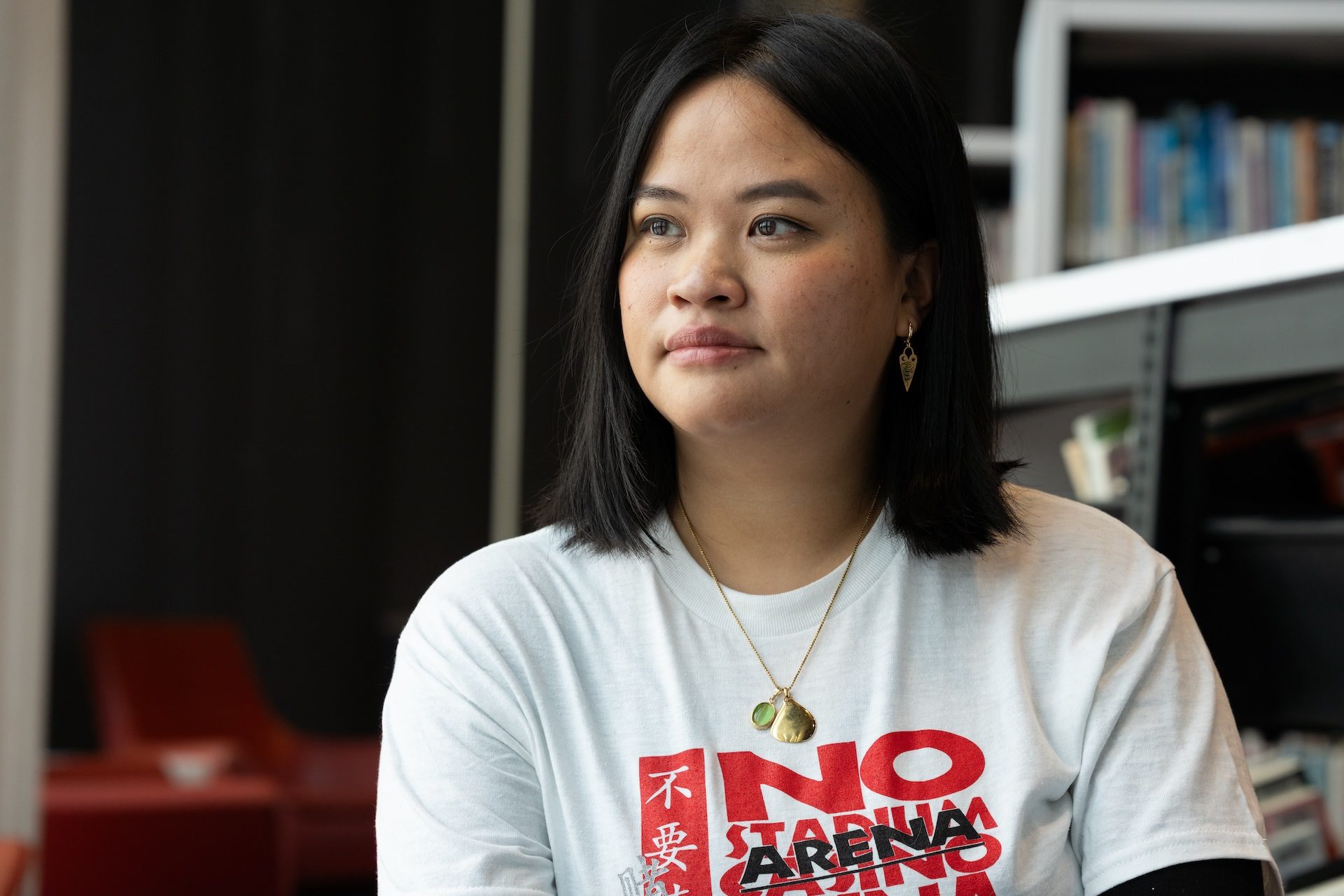
"He escuchado las preocupaciones de mis electores y de otros concejales, ya que este proyecto afecta a varios distritos, y sé que todos buscamos un equilibrio entre crecimiento y sostenibilidad," dijo la concejala Lee.
Winifred Curran, catedrática de geografía de la Universidad DePaul que investiga la gentrificación, dijo que un CBA daría a Related Midwest una forma concreta de demostrar que se toma en serio las preocupaciones de la comunidad. "Hay una forma de desarrollar sin desplazamiento," dijo.
La iniciativa refleja una lucha similar sobre el campus de computación cuántica de Related Midwest en South Shore - un vecindario históricamente marginado donde los grupos comunitarios exigieron un CBA para responsabilizar al desarrollador por los beneficios económicos prometidos.
Related Midwest no se ha comprometido públicamente a un CBA para el estadio, aunque un portavoz dijo que el proyecto incluiría beneficios públicos como viviendas asequibles y mejoras de las infraestructuras públicas. Según el portavoz, los proyectos anteriores del promotor han dado prioridad a los programas de desarrollo laboral y a las prácticas de contratación comunitarias.
Más información
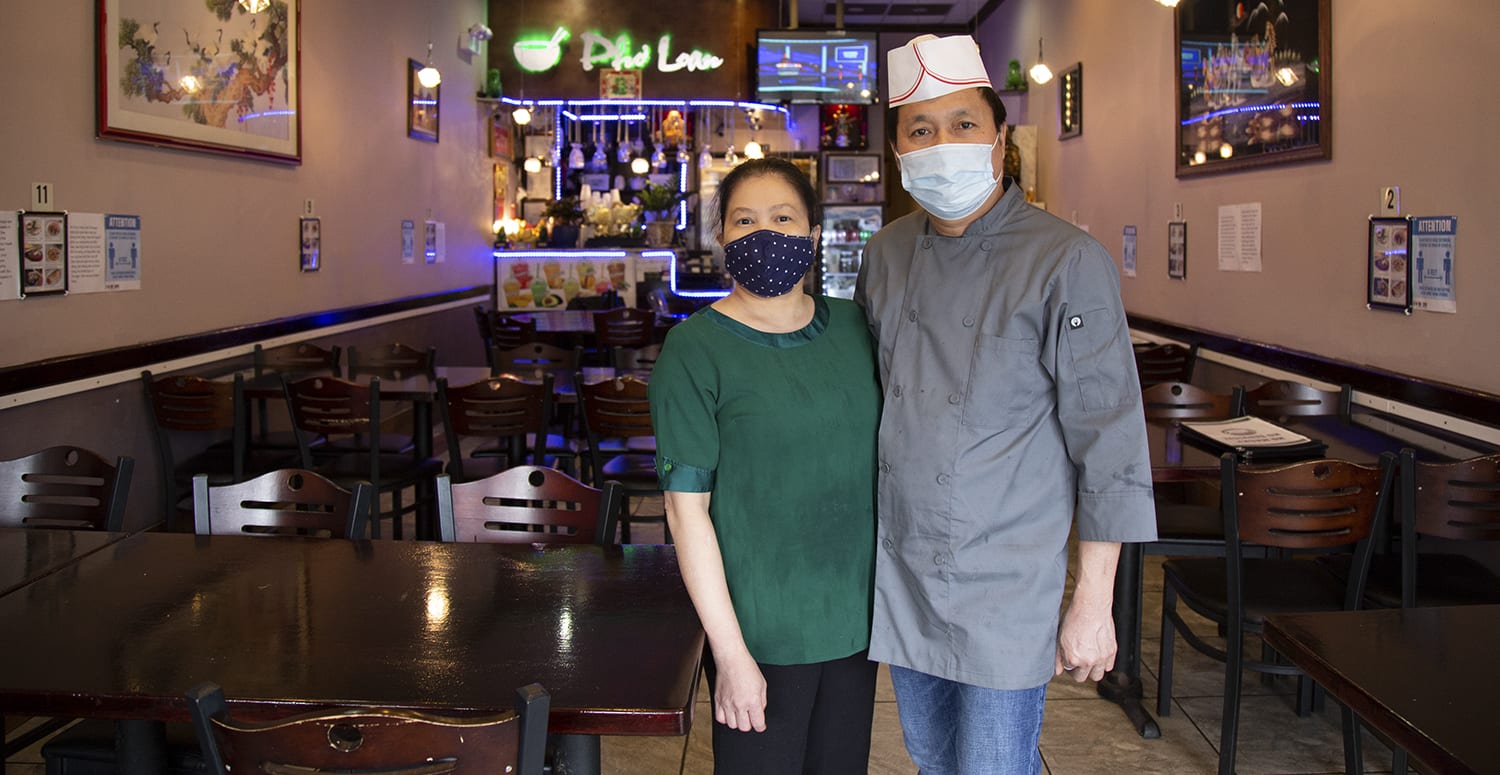
"El mismo enfoque se adoptará en The 78, cuyos beneficios públicos ya han incluido asociaciones con escuelas locales, eventos de desarrollo laboral y foros para subcontratistas propiedad de minorías y mujeres," compartió el portavoz por correo electrónico.
El desarrollo The 78 se encuentra en un distrito de Tax Increment Financing (TIF, por sus siglas en inglés), lo que significa que una parte de los impuestos del área se destinará a la infraestructura que rodea el estadio del Chicago Fire.
En 2019, el megadesarrollo de Related Midwest requirió $551 millones en subsidios fiscales para compensar los costos de desarrollo, según un informe del Chicago Sun-Times. La oficina de la concejala Lee dijo que los detalles de la cantidad de fondos TIF que se asignarían al estadio aún no se han finalizado.
"Se está trabajando en todo ello," dijo el alcalde Brandon Johnson sobre los planes del TIF en la ceremonia de inicio de obras del estadio el martes.
Historia y futuro de Chinatown
Para los miembros más veteranos de la comunidad, lo que está en juego es algo muy personal.
Liu, nacida y criada en Chinatown, describió el vecindario como un referente cultural irremplazable — un lugar con supermercados repletos de bok choy y raíz de loto, escuelas dominicales que enseñan cantonés y restaurantes que sirven dim sum y cerdo a la barbacoa.
El Chinatown de Chicago se creó después de que los trabajadores inmigrantes se vieron obligados a abandonar sus hogares en el Loop debido a los altos precios y se mudaron al sur, a la ubicación actual de Chinatown en Cermak Road, según el Museo Nacional de Historia Americana.
Pero en los últimos 30 años, el alquiler medio en Armour Square, que incluye la comunidad de Chinatown, ha pasado de $678 en 1990 a $895 en 2022, y en la cercana Bridgeport ha subido aproximadamente $450 en el mismo periodo, según datos de WBEZ. En Armour Square, los hogares de bajos ingresos también pagan una mayor proporción de sus ingresos para la vivienda en comparación con la ciudad en general, según datos de la Oficina del Censo de Estados Unidos.
Nancy Chan, quien ha vivido en Bridgeport desde hace casi cuatro décadas, dijo que le preocupa el impacto del estadio en el tráfico, el estacionamiento y los impuestos sobre la propiedad. Chan emigró a EE.UU. desde Hong Kong y actualmente es propietaria de su casa en Bridgeport.
Dijo que le gustaría mudarse a una comunidad cercana para personas mayores para ahorrar dinero, pero la lista de espera se extiende por más de una década.
"Todo es difícil," dijo.
Sin un CBA, Liu teme que los residentes locales se vean afectados por la gentrificación u otras repercusiones del nuevo estadio. Entonces, tendrán que "cambiar para adaptarse a las necesidades de estos promotores."
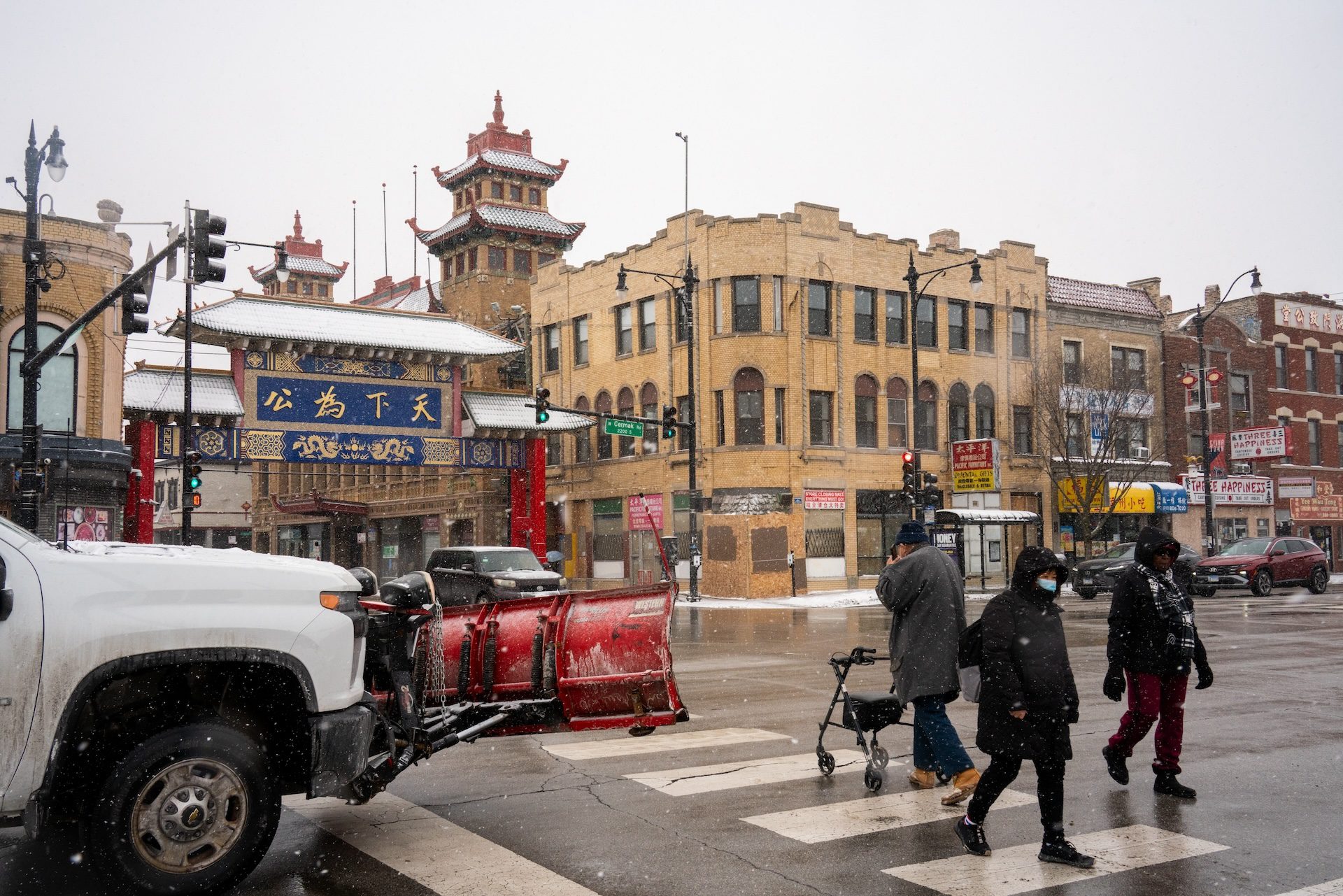
Liu dijo que los promotores llevan mucho tiempo prometiendo que el proyecto traerá amplios beneficios — más negocio, más visitantes, un nuevo estadio y más ingresos económicos y fiscales. "Pero, ¿a qué precio?" dijo.
Aunque algunos siguen recelosos, las autoridades municipales consideran el estadio y el desarrollo circundante como un nuevo capítulo para el South Loop y las comunidades vecinas.
El martes por la tarde, el alcalde Johnson se unió al Chicago Fire y funcionarios del Related Midwest para una ceremonia de inicio de obras, un acto que calificó como un "día de transformación" para Chicago.
La inauguración del estadio, según Johnson, supuso un gran paso para todo Chicago y el Near South Side, que había permanecido vacío a lo largo del río durante demasiado tiempo.
"Con la inauguración de hoy, empezamos a aprovechar al máximo el potencial de nuestra ciudad," dijo Johnson. "Esperamos que el estadio del Chicago Fire sea un ancla en The 78 que atraiga espacios recreativos, gastronómicos, culturales e inversiones para toda nuestra ciudad."
Katrina Pham es la reportera de participación de la audiencia de Borderless Magazine. Envía un correo electrónico a Katrina a [email protected].