 Camilla Forte/Borderless Magazine/Catchlight Local/Report for America
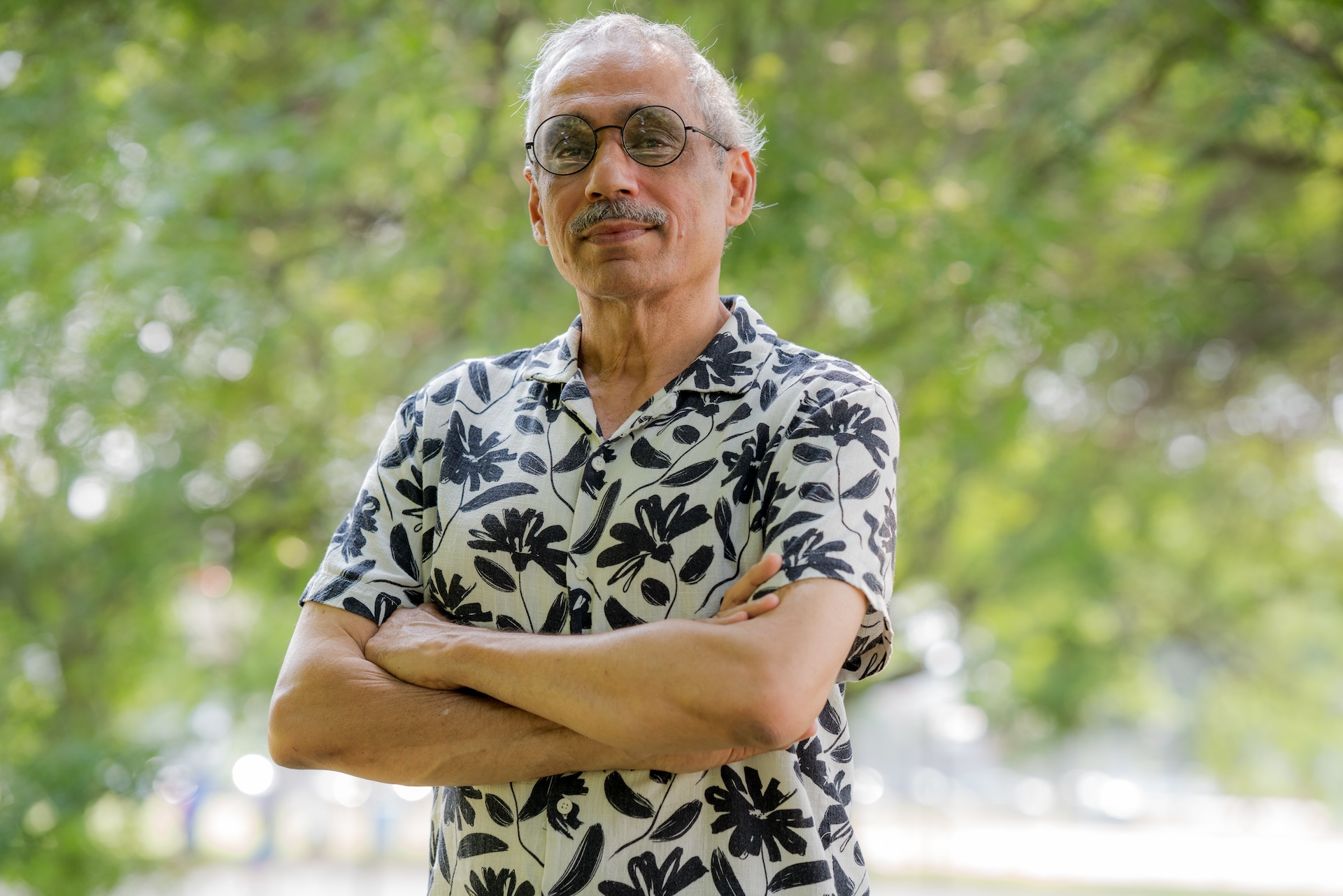
From a beloved grocery store to a family-owned Pakistani restaurant, Bharat Sharma shares the places he believes make West Ridge special.
Originally an independent village on the outskirts of the city, West Ridge was annexed to Chicago in 1893.
Unlike the rapidly industrializing city to the south, the neighborhood remained largely rural, with greenhouses and farms owned by Luxembourger, German, Irish and Scandinavian immigrants until the early 1900s.
The completed construction of the North Shore Channel in 1910 accelerated industrial development in the area. By 1915, The Ridge Avenue Park District began buying land that officially became Indian Boundary Park in 1916, leading to the development of large cooperative apartment buildings along the park’s edges.
News that puts power under the spotlight and communities at the center.
Sign up for our free newsletter and get updates twice a week.
After World War I, West Ridge’s population surged as immigrants from Italy, Ireland and other European countries settled in the neighborhood, including Jewish families from Poland, Ukraine and other parts of Eastern Europe.
By the 1960s, many of West Ridge’s established Jewish residents moved to Chicago’s new suburbs. Meanwhile, new waves of migration reshaped the neighborhood.
After the Immigration and Nationality Act of 1965, immigrants from India and Pakistan started to settle in the area. Following the Fall of Saigon in 1975, Vietnamese refugees also settled in the neighborhood. Another wave of Jewish immigrants who fled the Soviet Union followed from the mid ‘80s to the late ‘90s.
Meet your guide
Bharat Sharma is the community organizer for “I Speak Power,” a civic leadership program focused on empowering immigrant and refugee participants by building their civic and English literacy. Originally from India, Sharma worked in Kenya for several years before moving to the United States in the early 2000s. His first stop in Chicago was Devon Avenue. He lived in West Ridge for seven years. The neighborhood is still a cornerstone of his personal and professional life today.
“It’s my favorite neighborhood because I can speak the language I know, I know the cultural background,” said Sharma. “It’s like a home away from home.”
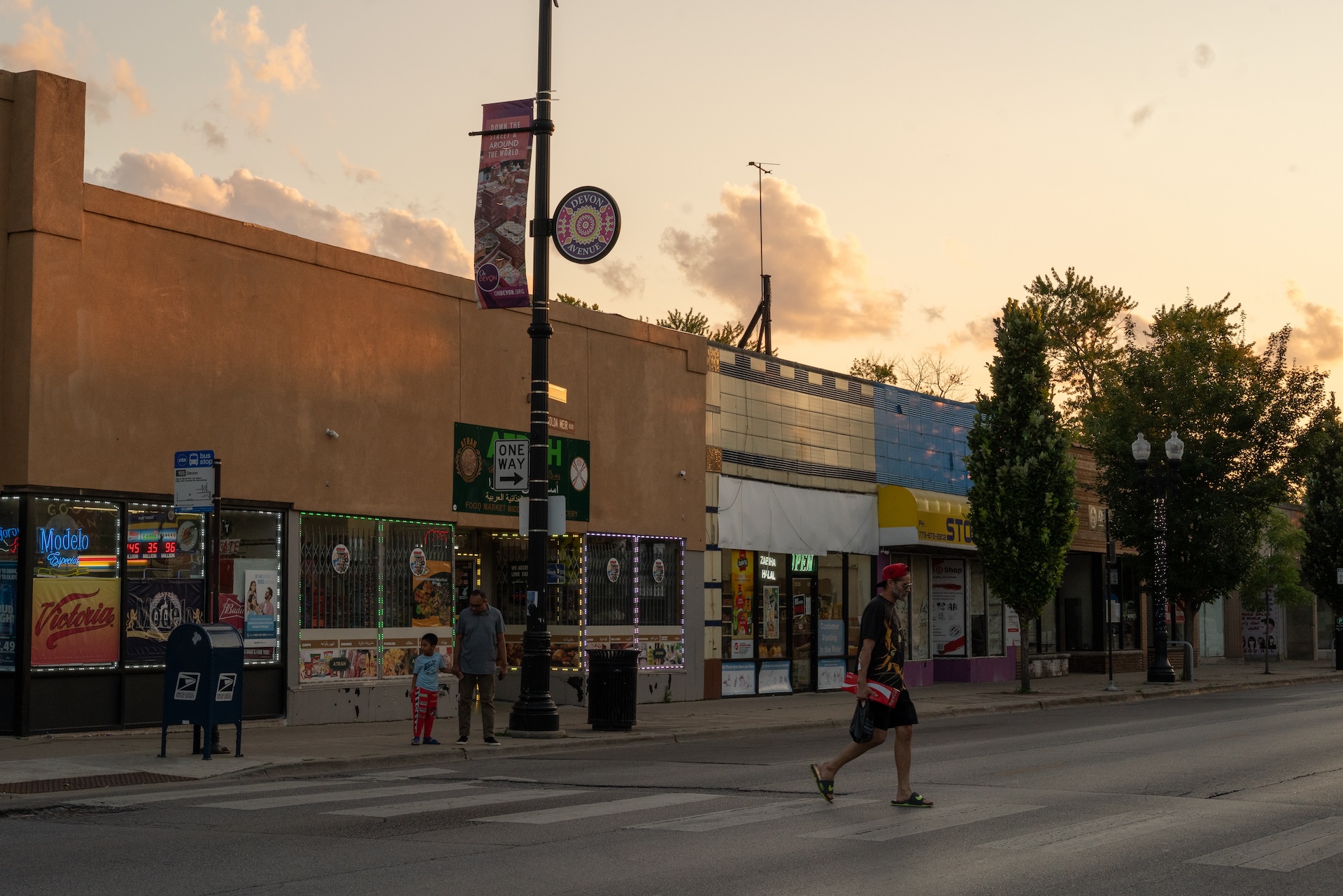
Itinerary
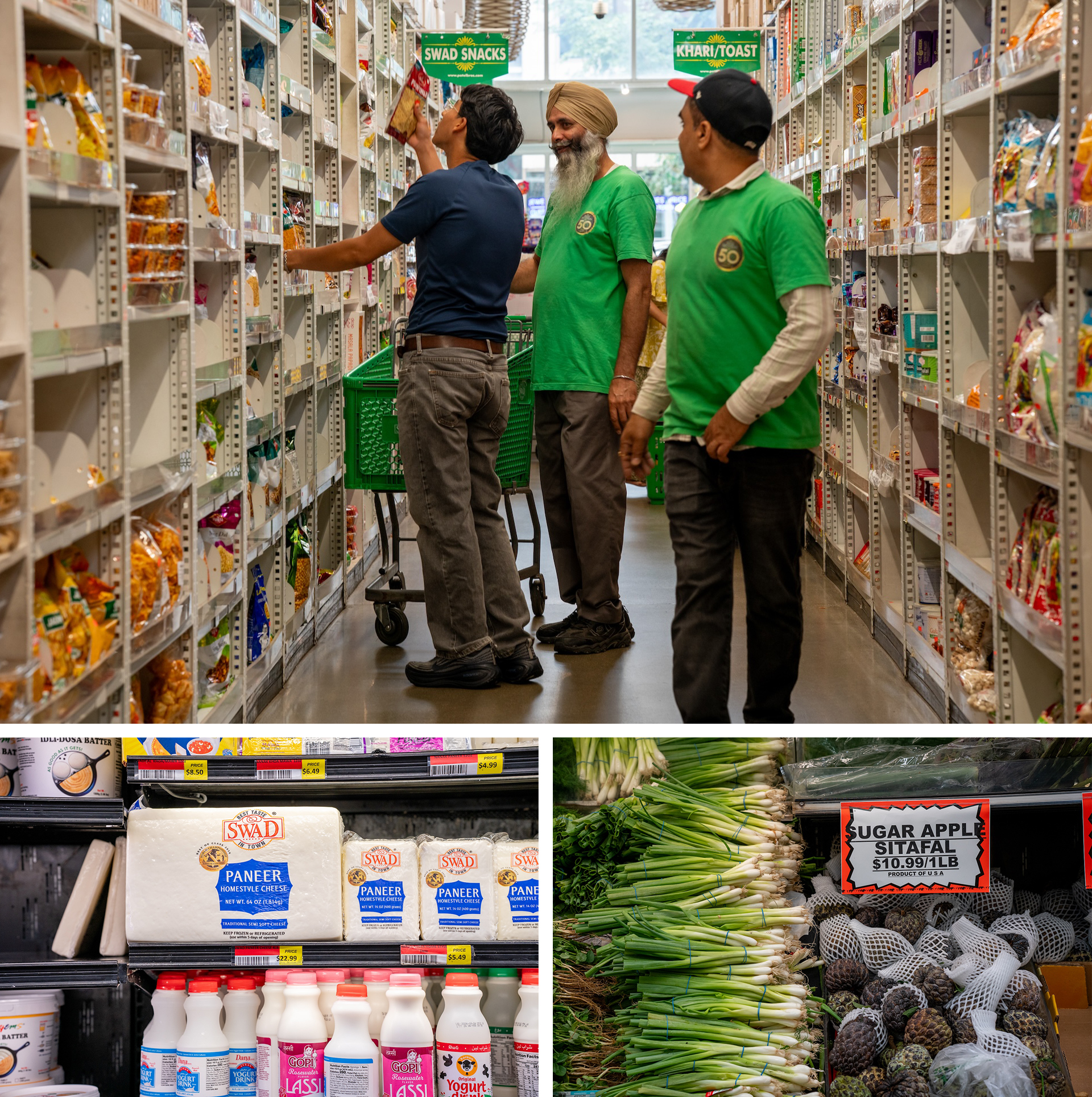
Patel Brothers
Address: 2610 W. Devon Ave.
Now the largest South Asian grocery chain in the United States, Patel Brothers has deep roots in West Ridge. Mafat and Tulsi Patel founded their first location near Damen and Devon in 1974. Though the shop moved locations within the West Ridge neighborhood over the years, it remains a staple shopping spot for South Asian immigrants seeking the flavors of home.
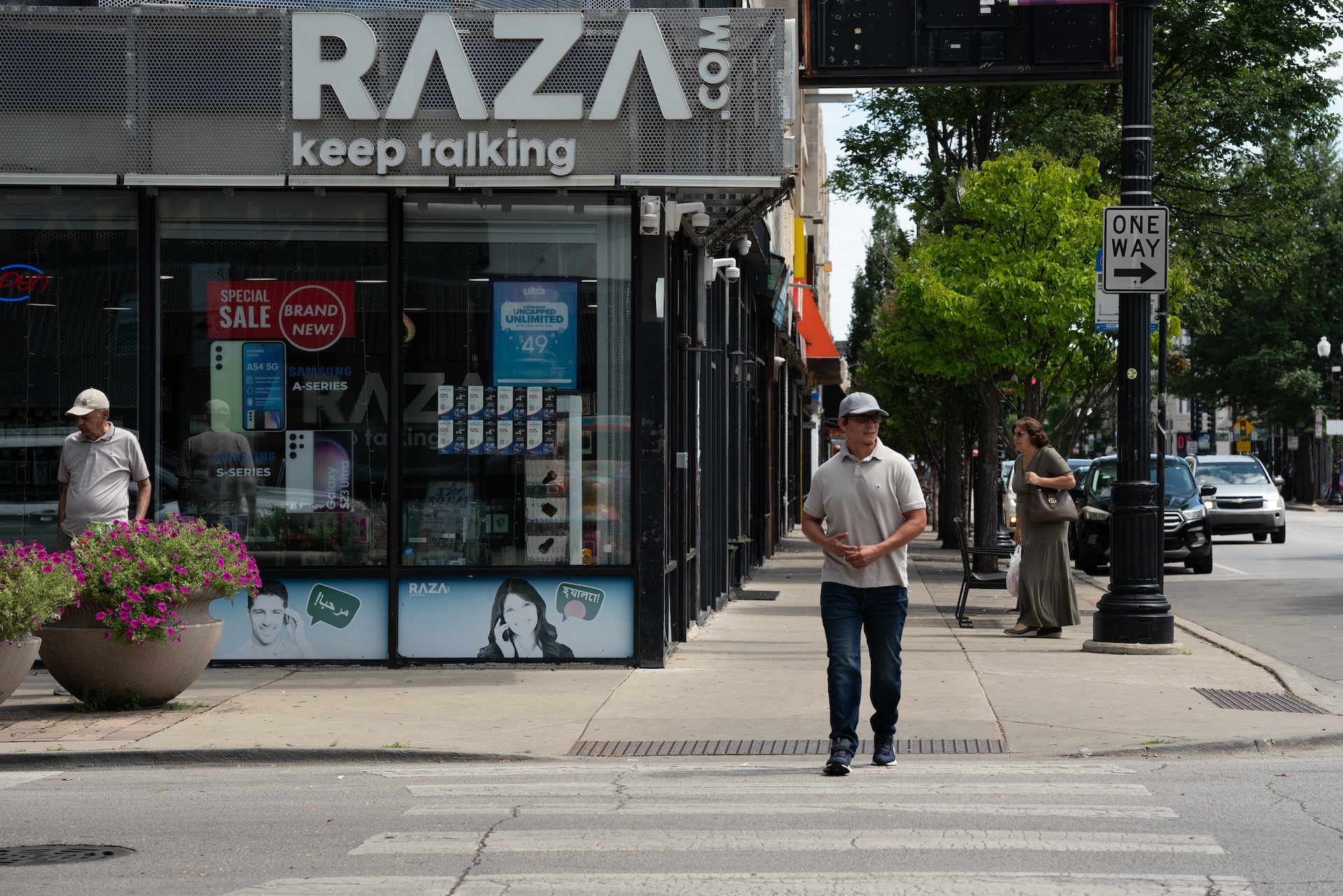
Raza.com Telecom
Address: 2456 W. Devon Ave.
Raza.com, a telecommunications shop specializing in international data plans, offers a mix of digital plans and physical pre-paid cards for calling abroad. While many of these services are available online, Sharma says it’s still invaluable for those needing in-person support to communicate with their loved ones. The store also sells affordable tech products, chargers and accessories.
Sabri Nihari
Address: 2502 W. Devon Ave.
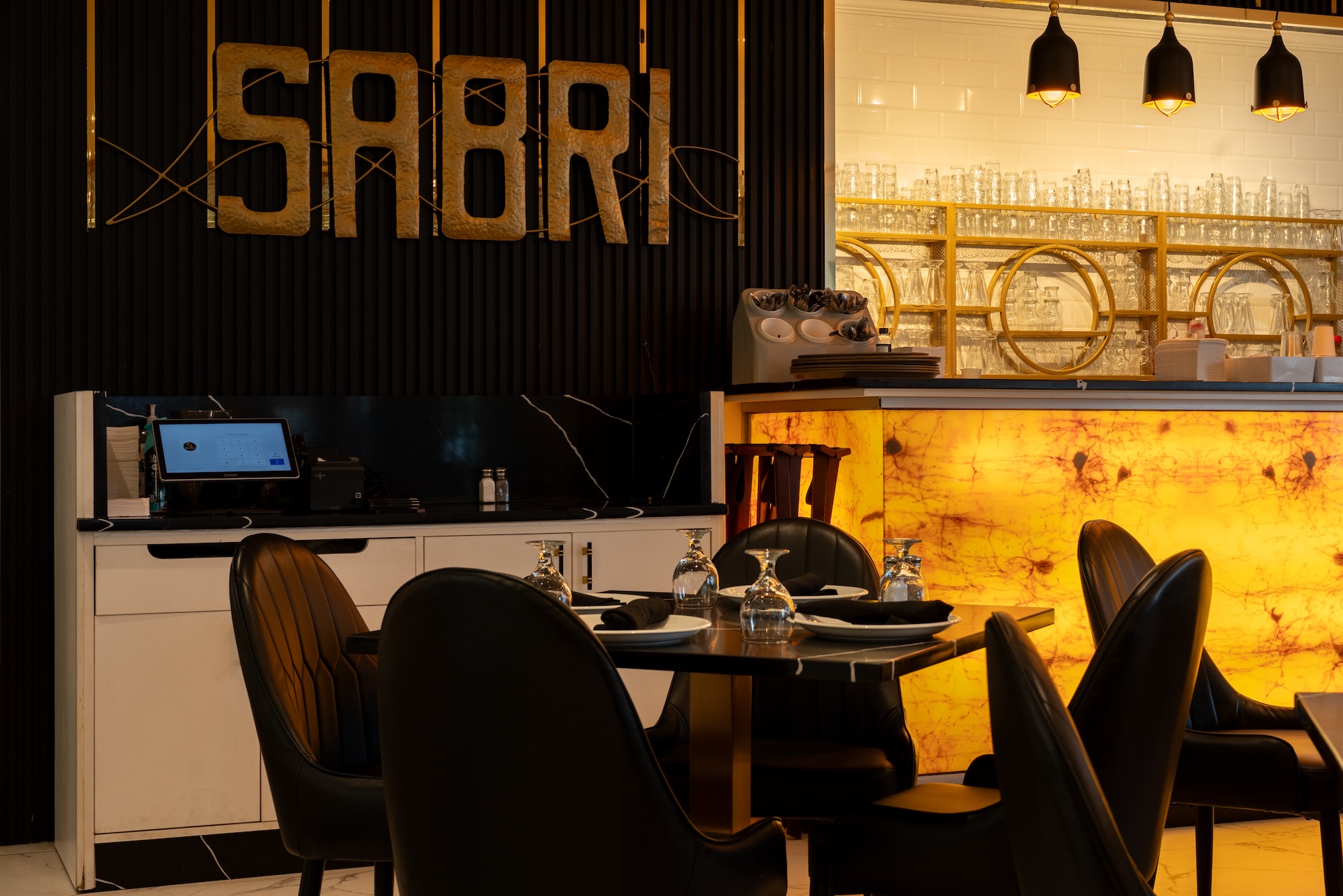
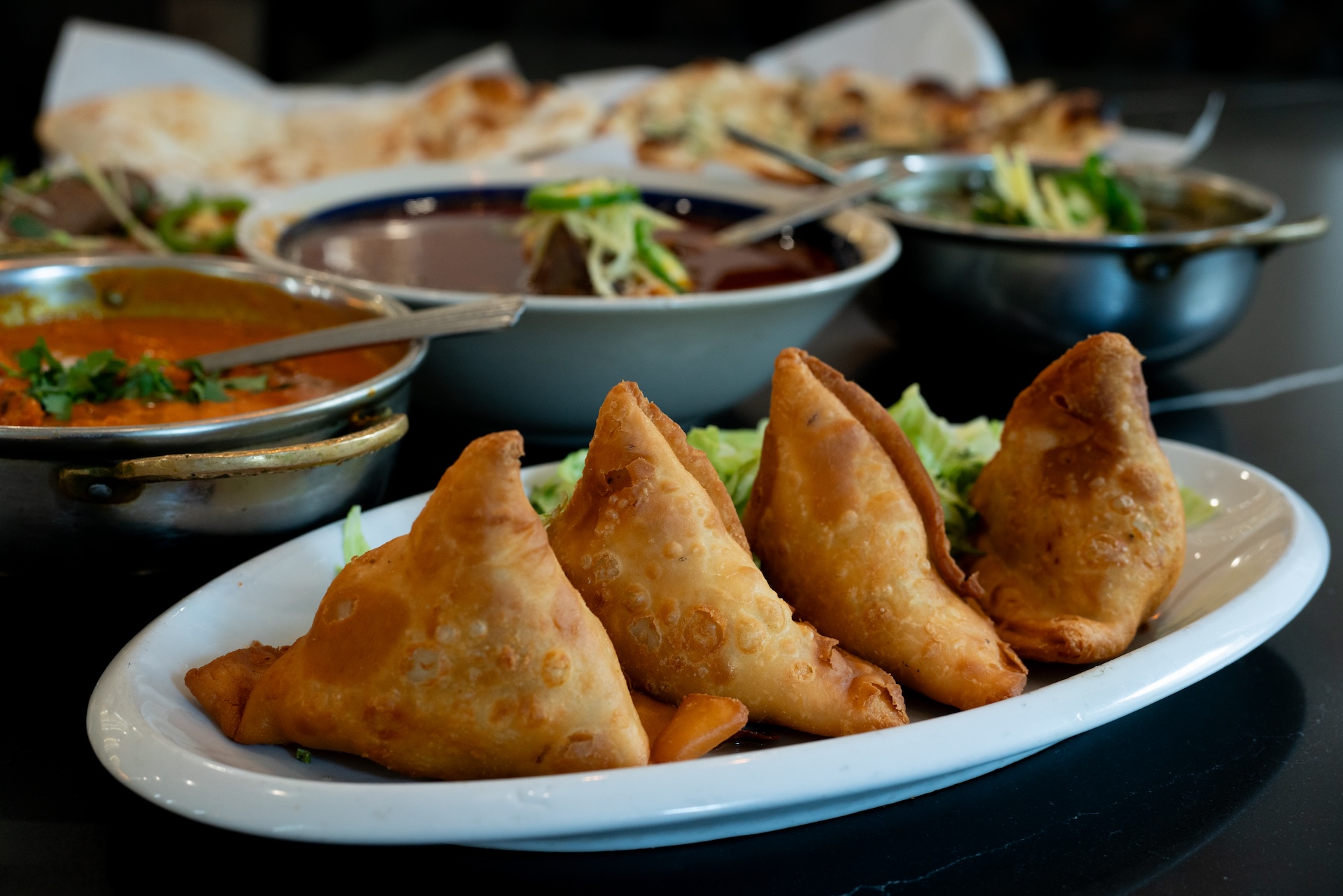
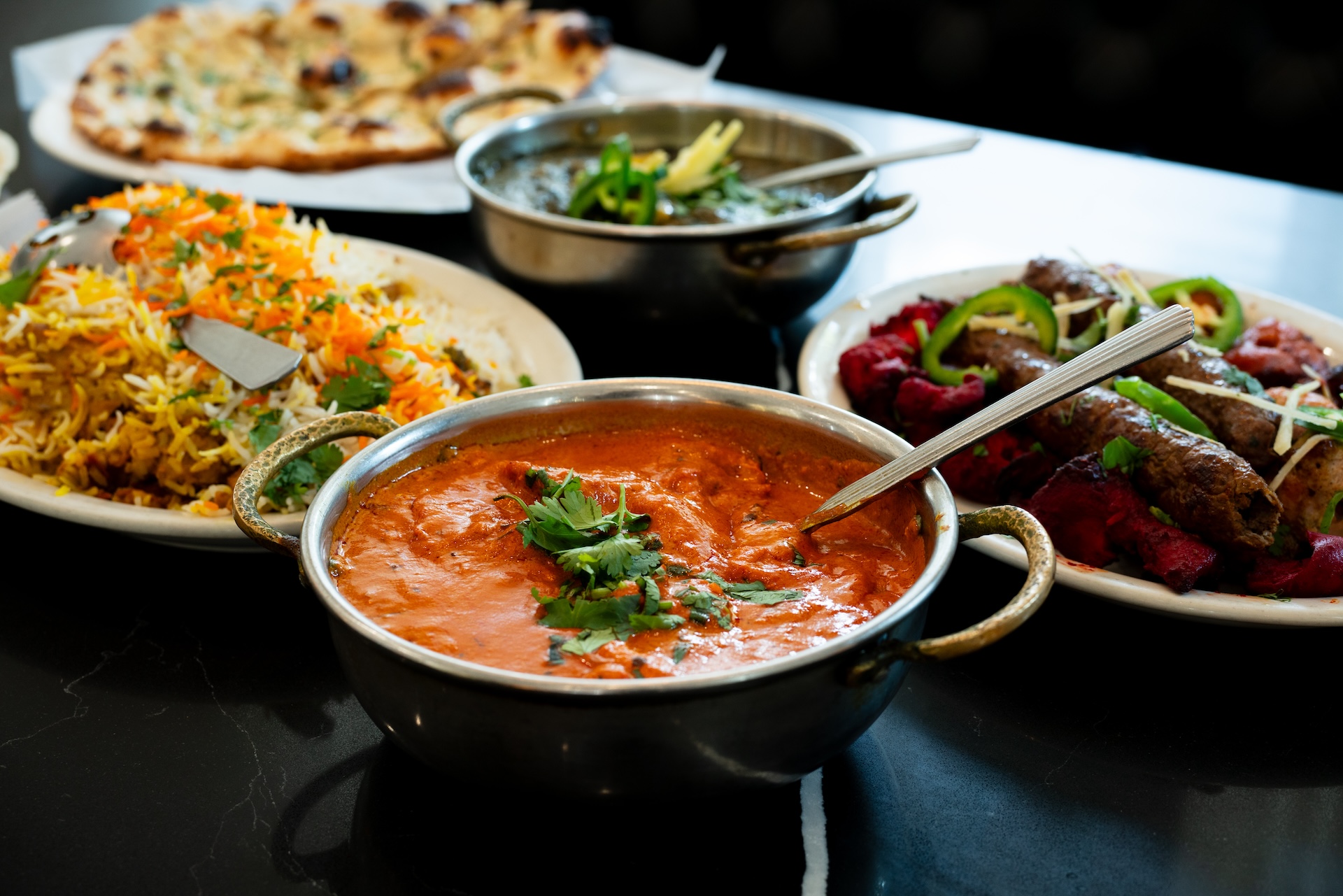
A neighborhood fixture since the mid-90’s, Sabri Nihari held a Michelin Bib Gourmand title from 2017 to 2020. The family-owned Pakistani restaurant is best known for its signature dish Sabri Nihari — a slow cooked beef stew — but also has a generous vegetarian menu and offers a wide selection of curries. Sharma says it’s his go-to spot to impress visitors and especially recommends the vegetable samosa.
Borderless Guidebook is a multipart project by Borderless Magazine that celebrates Chicago neighborhoods with significant immigrant communities, highlighting the history, businesses and people that help shape them.
Camilla Forte is a CatchLight fellow and Report for America Corps Member covering immigrant communities for Borderless Magazine. Email Camilla at [email protected]