 Camilla Forte/Borderless Magazine/Catchlight Local/Report for America
From a lively pool hall to a bakery selling traditional Mexican sweet breads, tattoo artist Brian Nazario shares the spots that he believes makes Albany Park unique.
Originally a small farming community, the land that would become Albany Park was officially annexed to Chicago in 1889. Investment from wealthy developers and the completion of the Ravenswood elevated train line in 1907 led to a boom of construction, greatly expanding residential and commercial corridors in the area.
Initially settled by German and Swedish immigrants, the neighborhood witnessed an influx of Jewish immigrants from Eastern and Western Europe in the early twentieth century. Jewish residents began moving in and became the majority until the 1950s.
As established residents moved into the suburbs during the beginning of the 1960s, the neighborhood’s population declined causing the economy to suffer. However, revitalization efforts by groups such as the North River Commission and new waves of immigrants helped the area rebound.
By the 1990s, Korean and Filipino immigrants made up the majority of the neighborhood’s population, leading Lawrence Avenue to be dubbed “Seoul Drive” as a nod to the area’s status as a commercial hub.
While the majority Korean population has shrunk over the years, Albany Park remains a cultural melting pot today. It is widely considered to be one of the most ethnically and linguistically diverse areas in the city.
Meet your guide
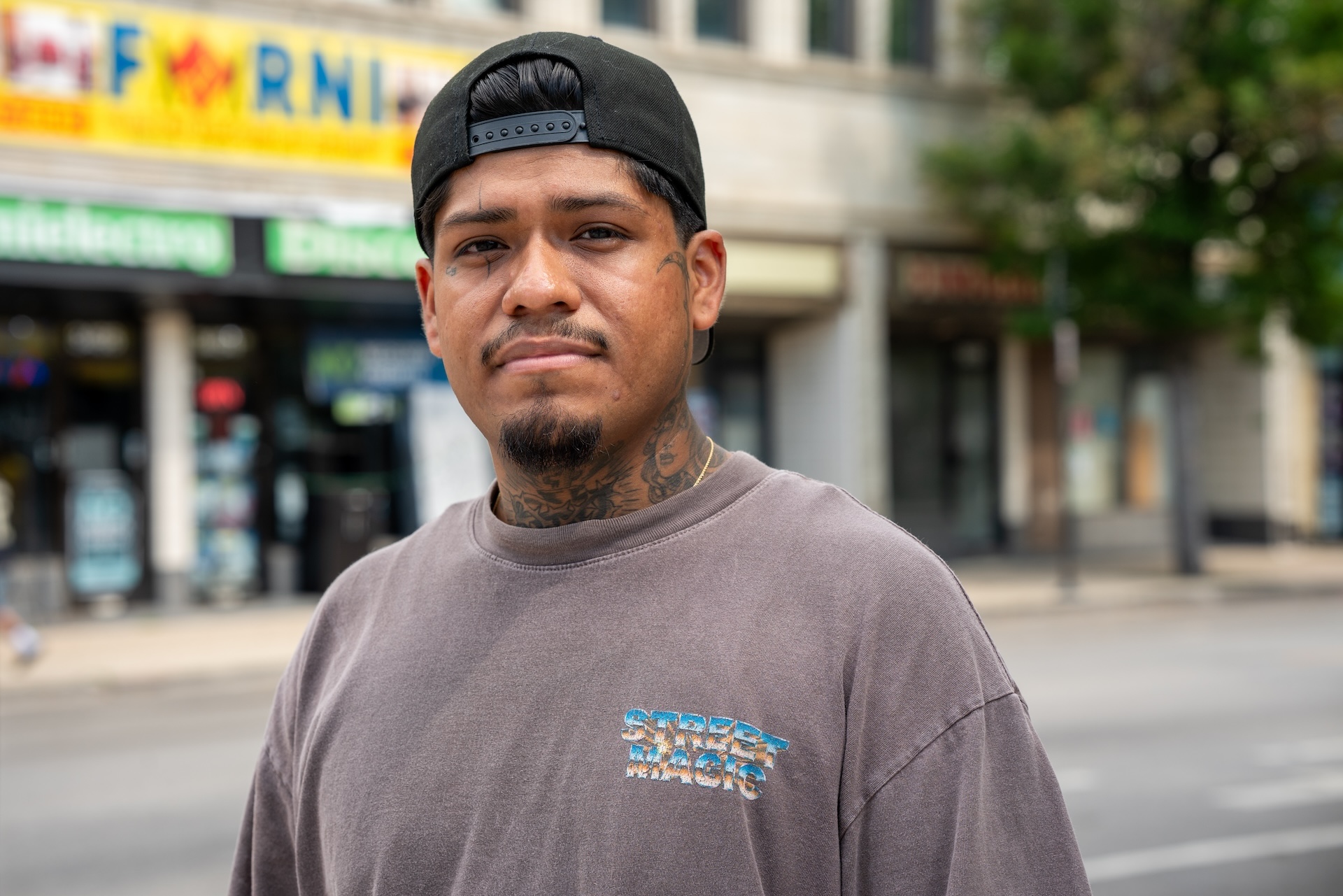
Brian Nazario is a tattoo artist specializing in fine line Chicano-style pieces. An Albany Park native, Nazario grew up in the neighborhood and says it shaped who he is today.
“By default Chicago is very segregated, but I think Albany Park is one of the very few neighborhoods that does a really great job in fighting against that,” Nazario said. “I think it’s really special.”
News that puts power under the spotlight and communities at the center.
Sign up for our free newsletter and get updates twice a week.
Itinerary
Kimball Brown Line Station
Address: 4755 N. Kimball Ave.
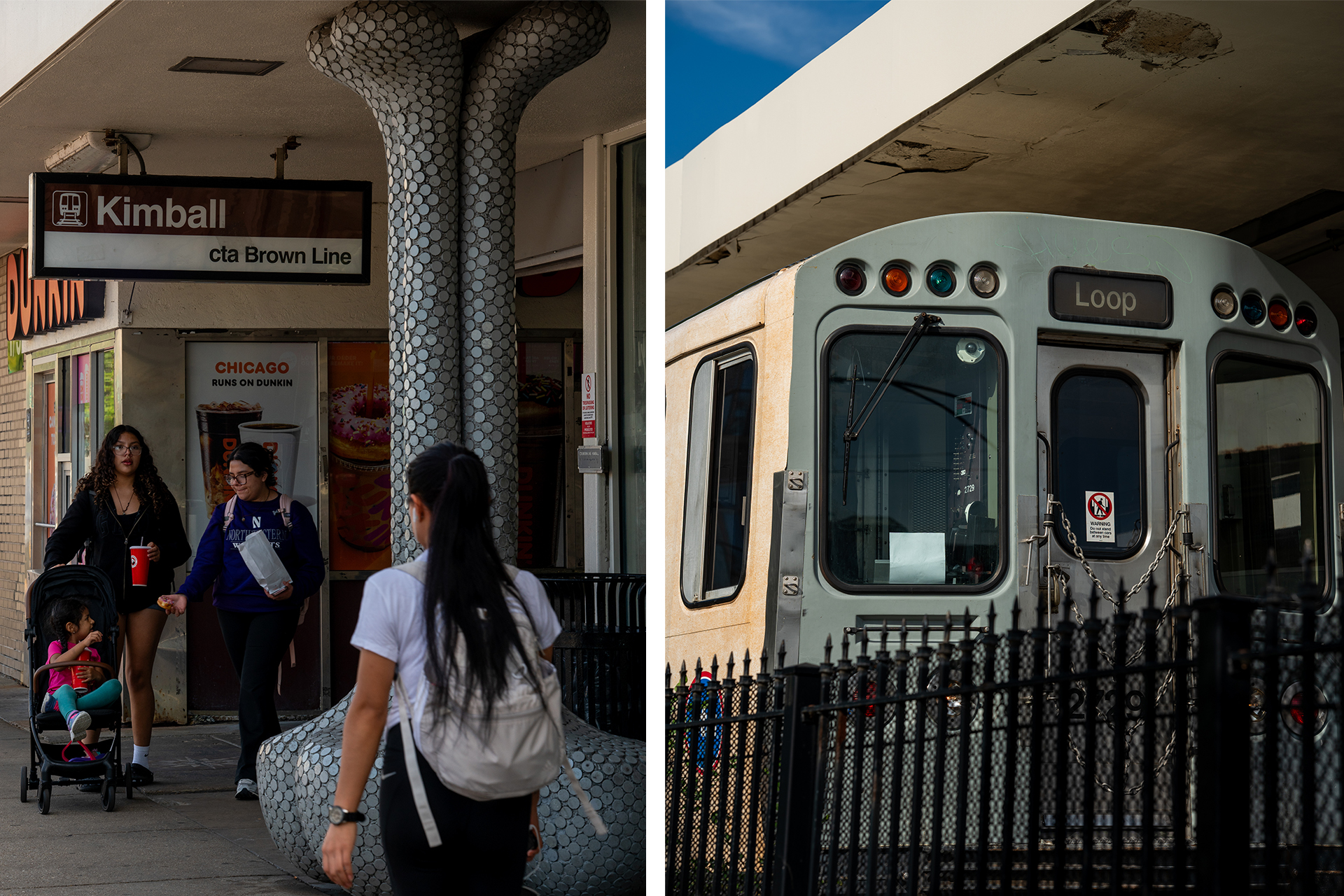
Aside from being an effective way to get into Albany Park, Nazario sees the Kimball Brown line CTA station as the neighborhood’s downtown, the one spot where everyone congregates. At the end of any given day, street vendors post up on the corners selling food and snacks as residents of all ages head home.
“You can see the character of the neighborhood here,” Nazario said.
Salgado’s Bakery
Address: 4710 N. Kimball Ave.
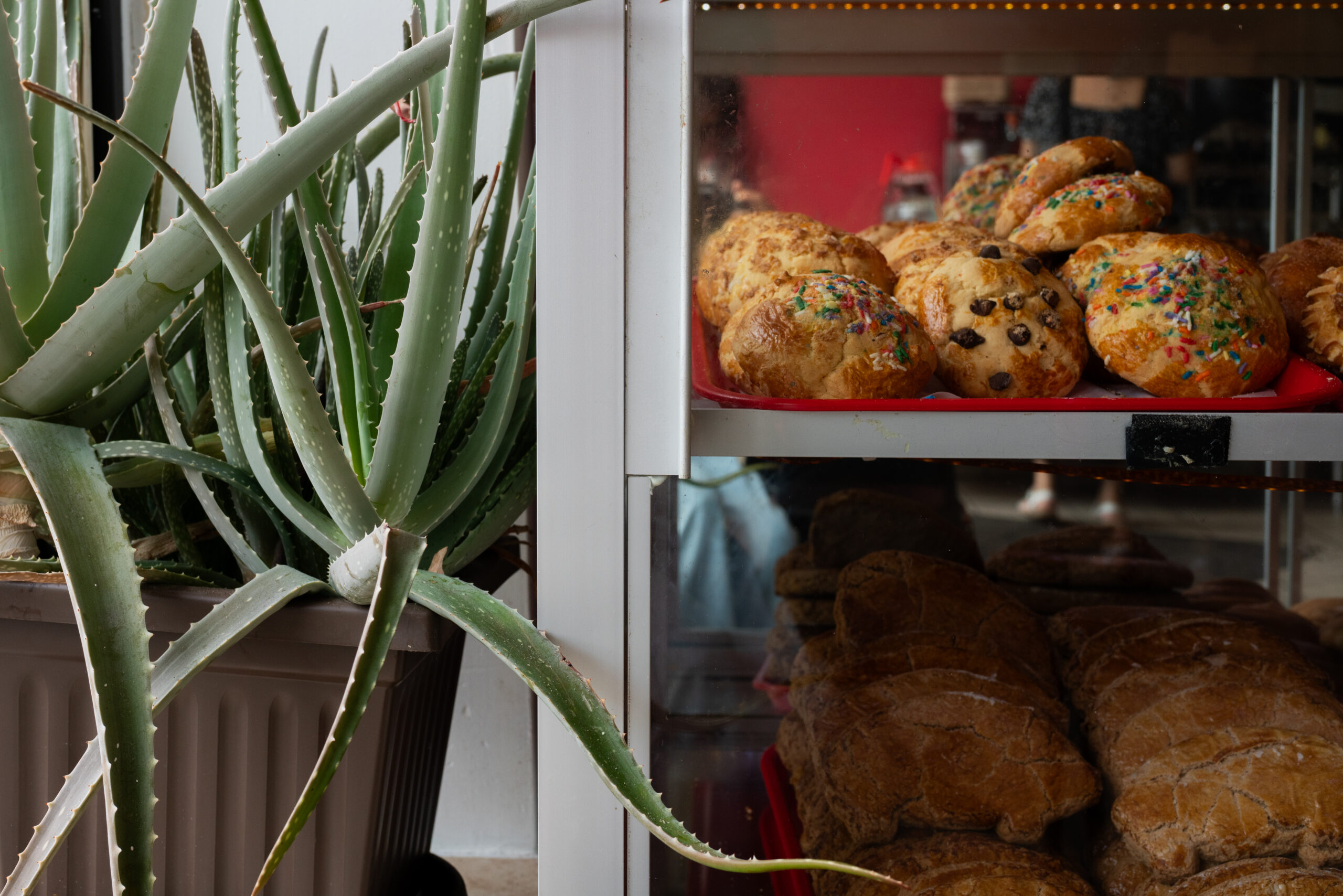
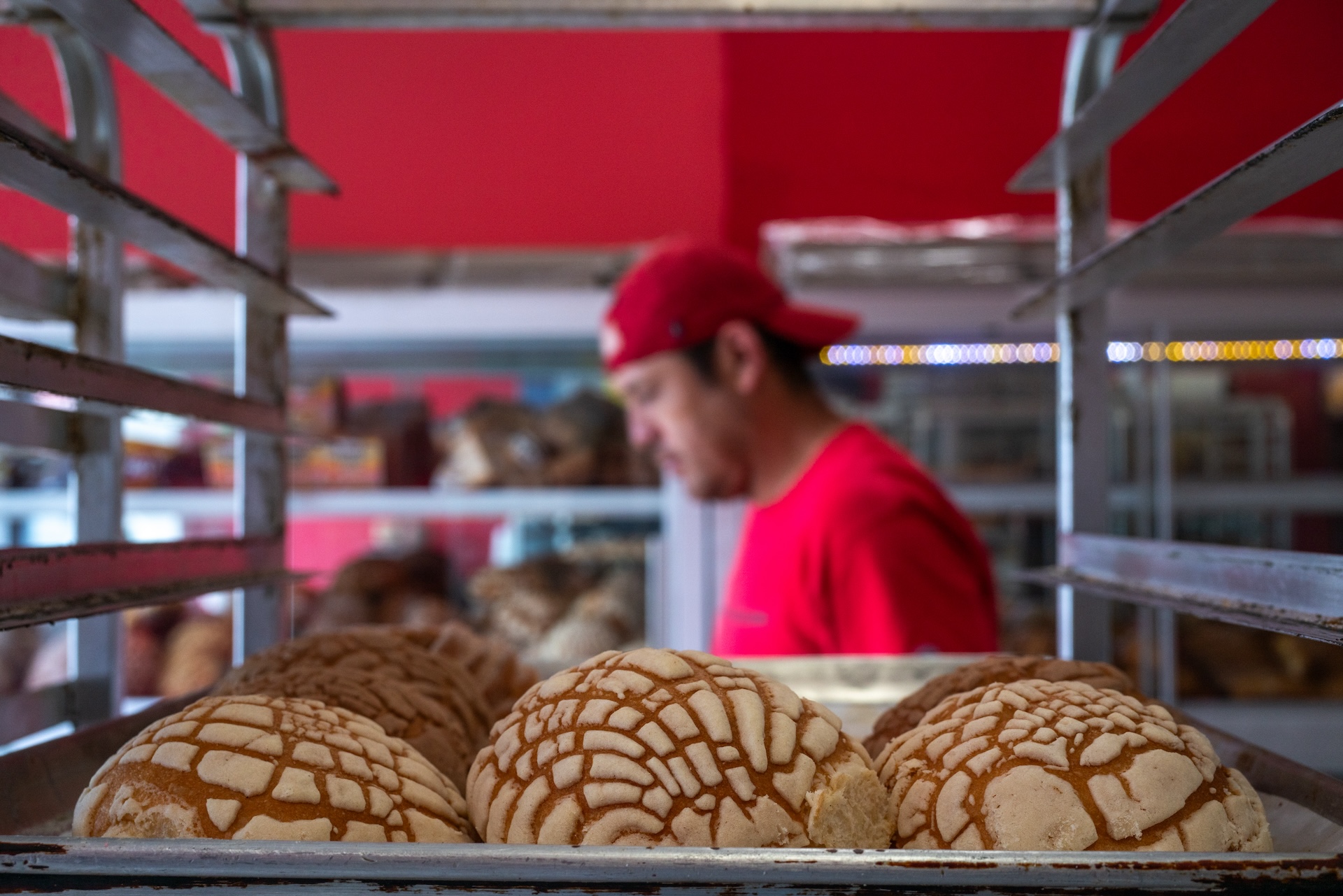
A homey bakery across the street from the Kimball Brown line station, Salgado’s Bakery sells a selection of traditional sweet and savory Mexican pastries.
“Whether you’re happy, tired or full of energy, Salgado’s is the place that will give you what you need,” Nazario said. “The people there have this magic where they will pick up on how your energy is. They won’t ask you anything, they’ll just cater to it.”
Ronan Park
Address: 3000 W. Argyle St.
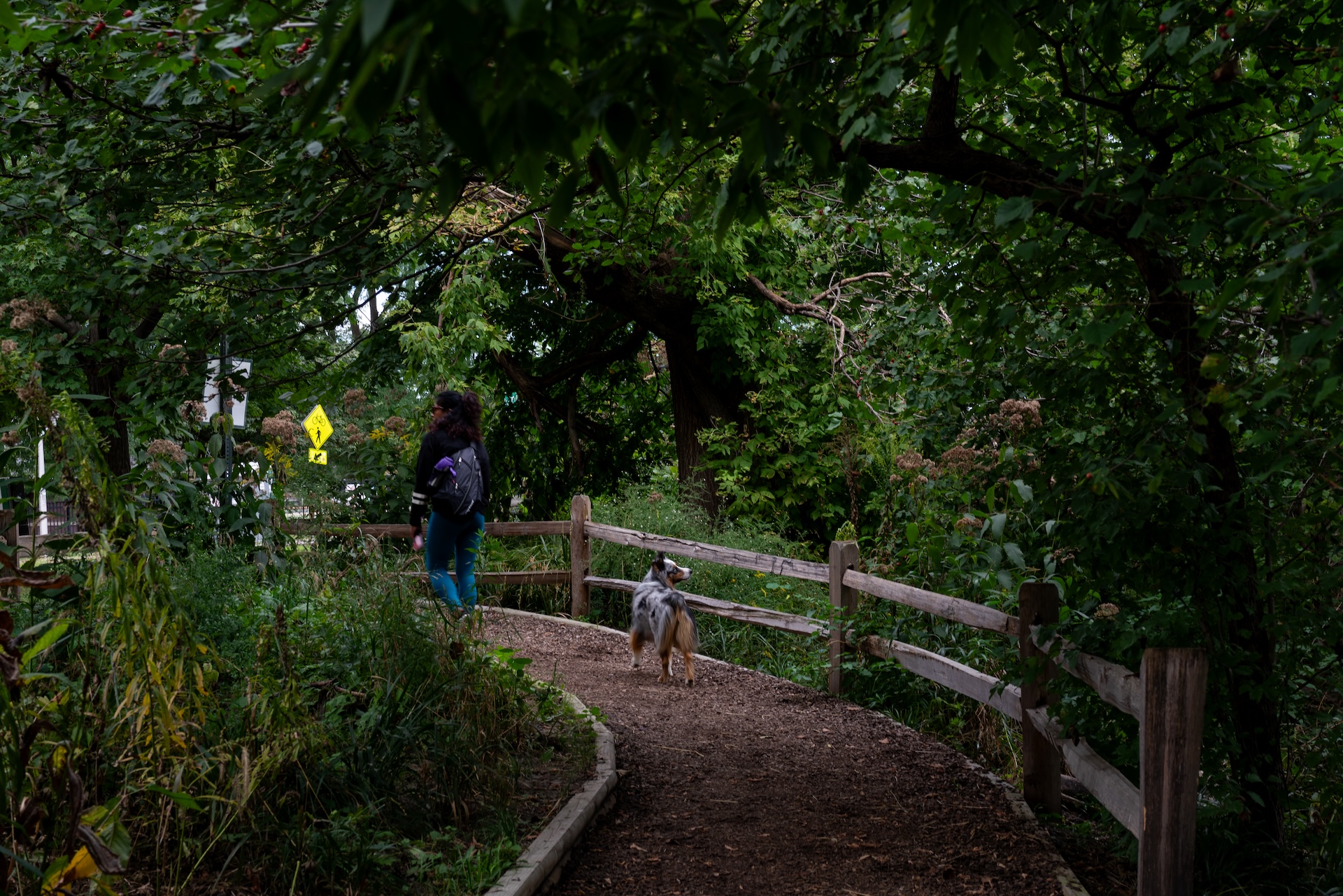
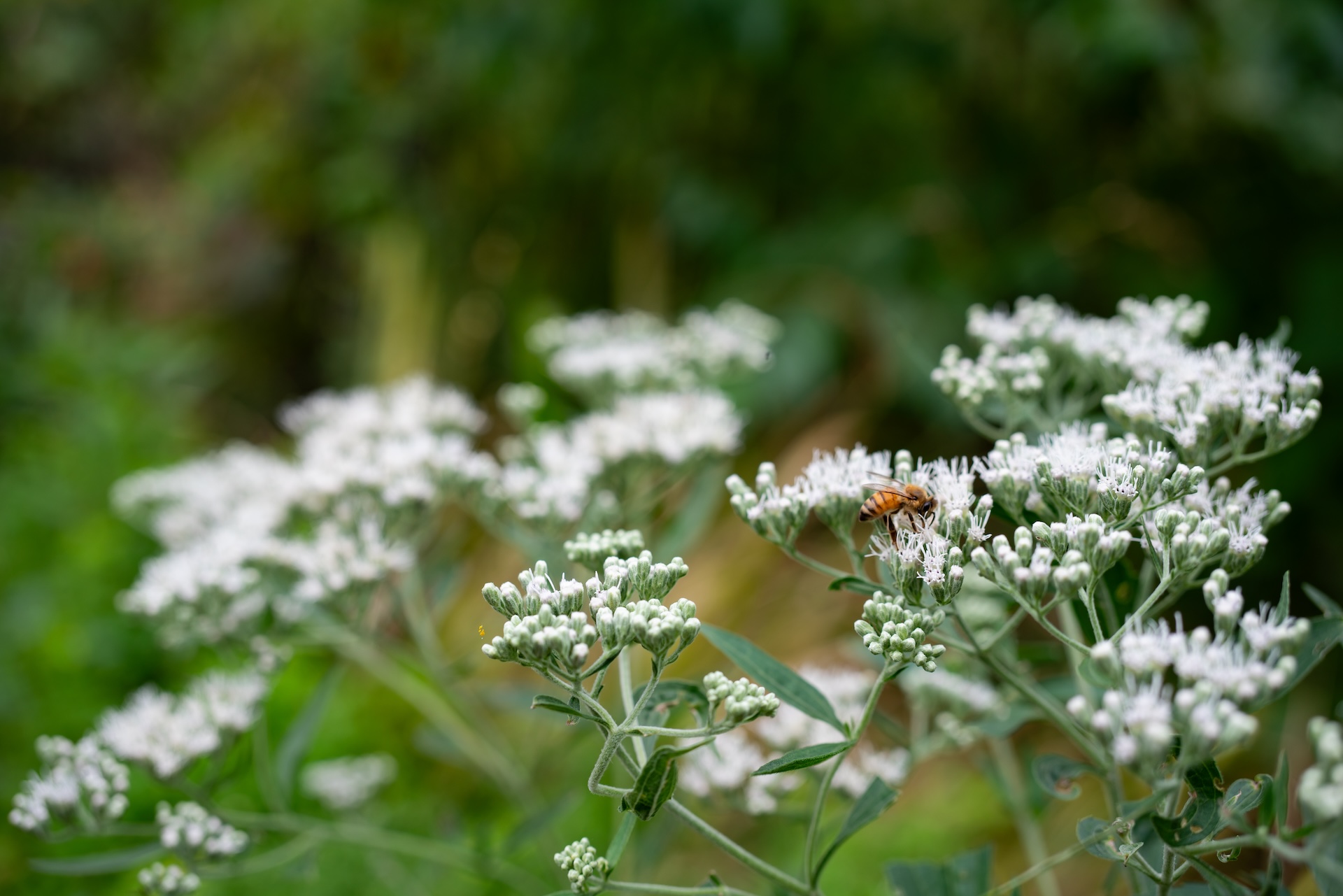
Ronan Park — a public green space running along the Chicago River’s North Branch — includes a sculpture garden and a naturalized river habitat trail popular with birders, bikers and urban hikers. Founded in 1959 as a recreational area next to a Metropolitan Water Reclamation pumping station, the park now spans 12.47 acres and is connected to River Park north of Argyle street by the North Shore channel trail.
La Fogata
Address: 3433 W. Lawrence Ave.
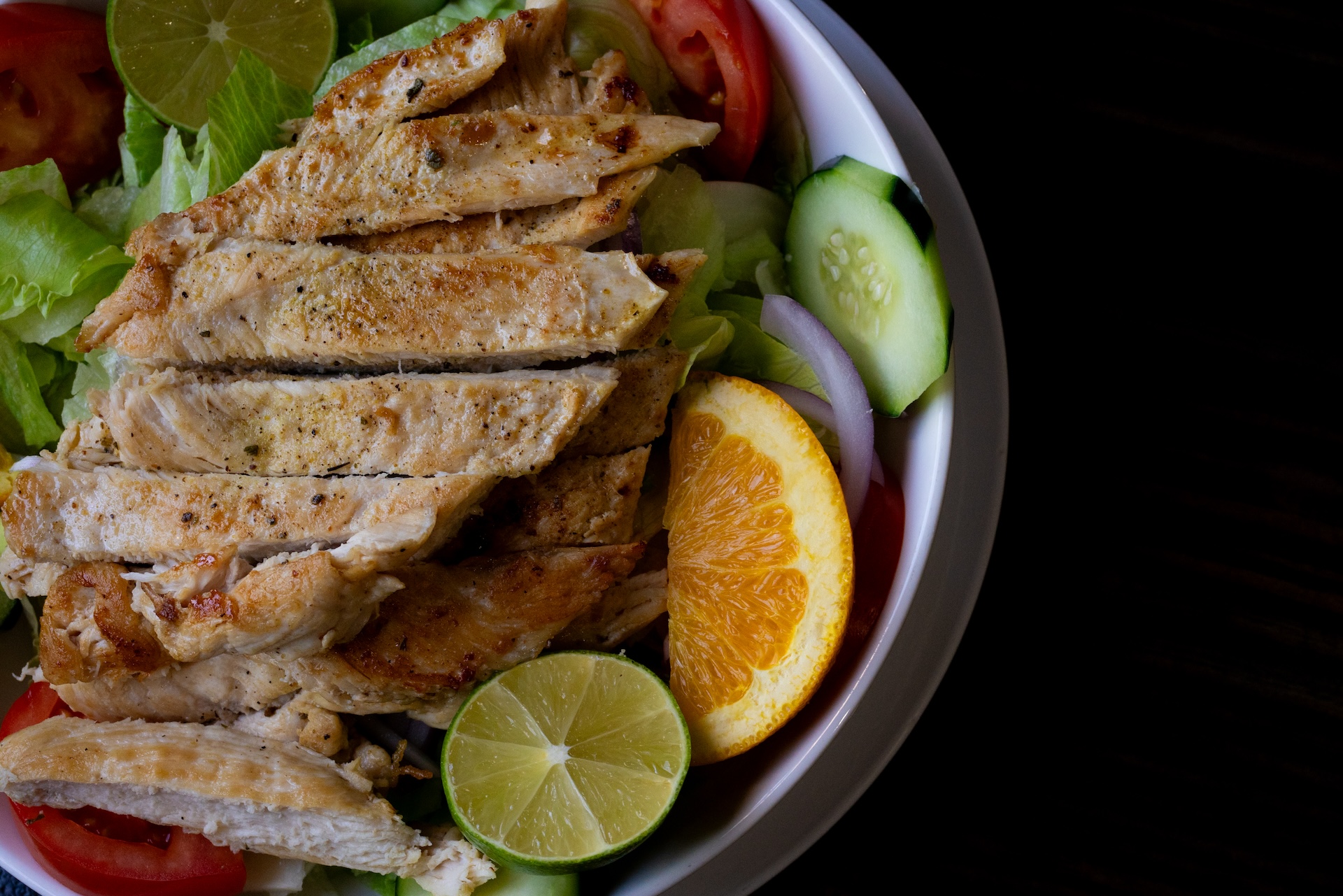
A family-run restaurant serving Guerrero and Michoacan style Mexican food, La Fogata has operated on Lawrence Avenue for nearly twenty years. With a focus on staples like tacos, burritos and tortas, the menu offers up a wide array of protein options, allowing patrons to customize each order to their liking. They also host karaoke from 9:00 pm to 2:00 am every Friday and Saturday. Co-owner Irma Brito chalks up the restaurant’s success to two things: “Our seasoning is unique and you eat with the same comfort you have at home.”
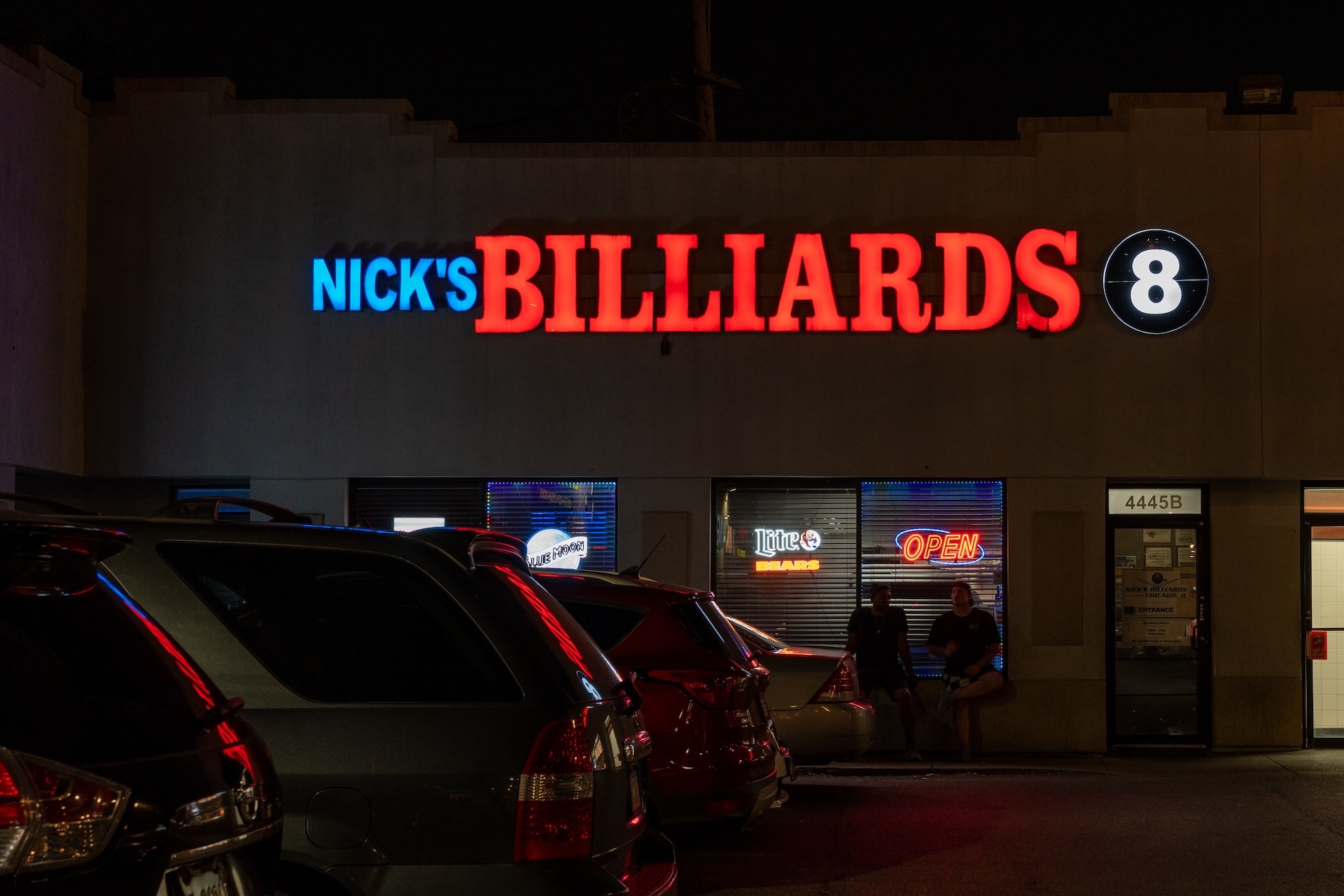
Nick’s Billiard Academy
Address: 4445 N. Pulaski Road
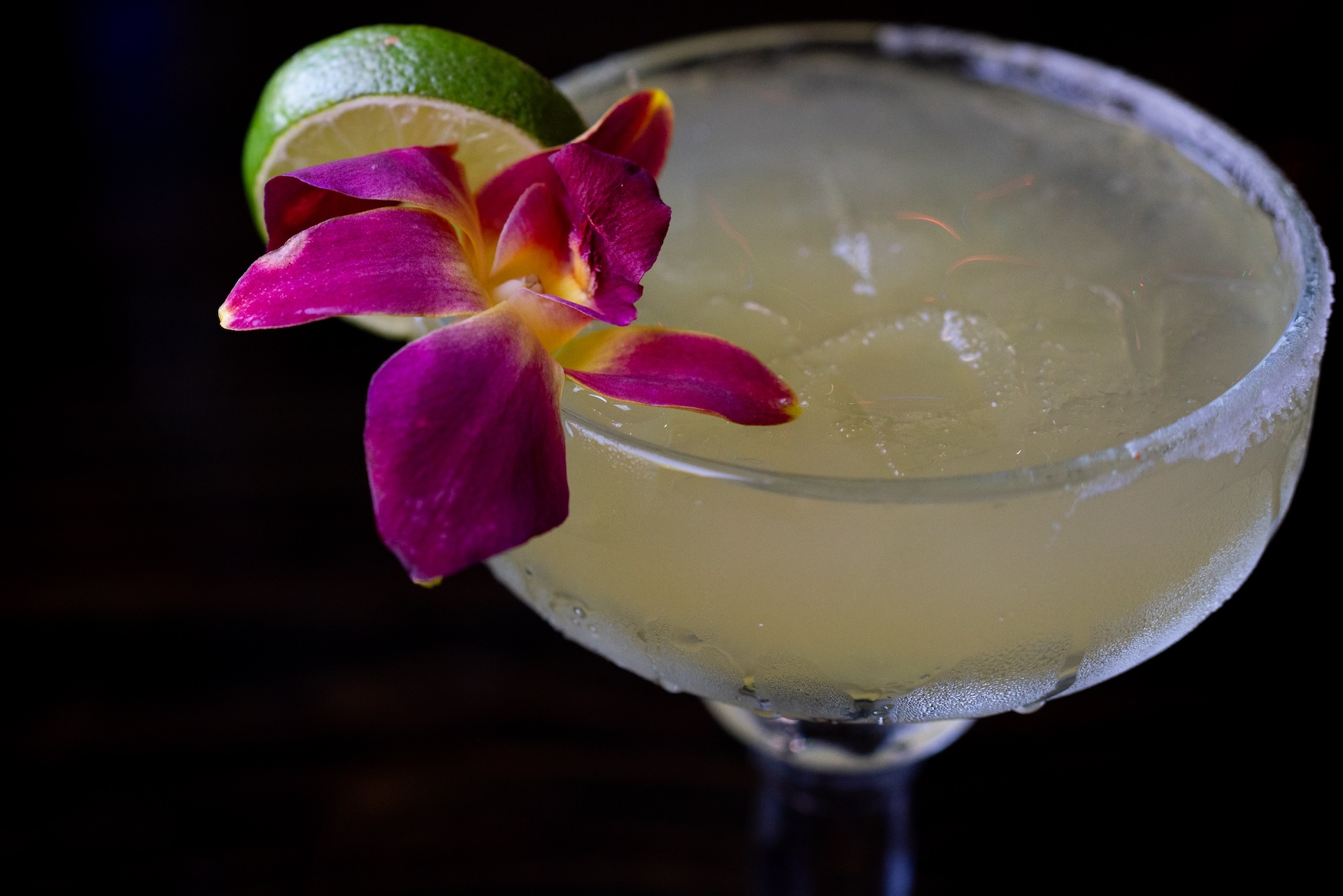
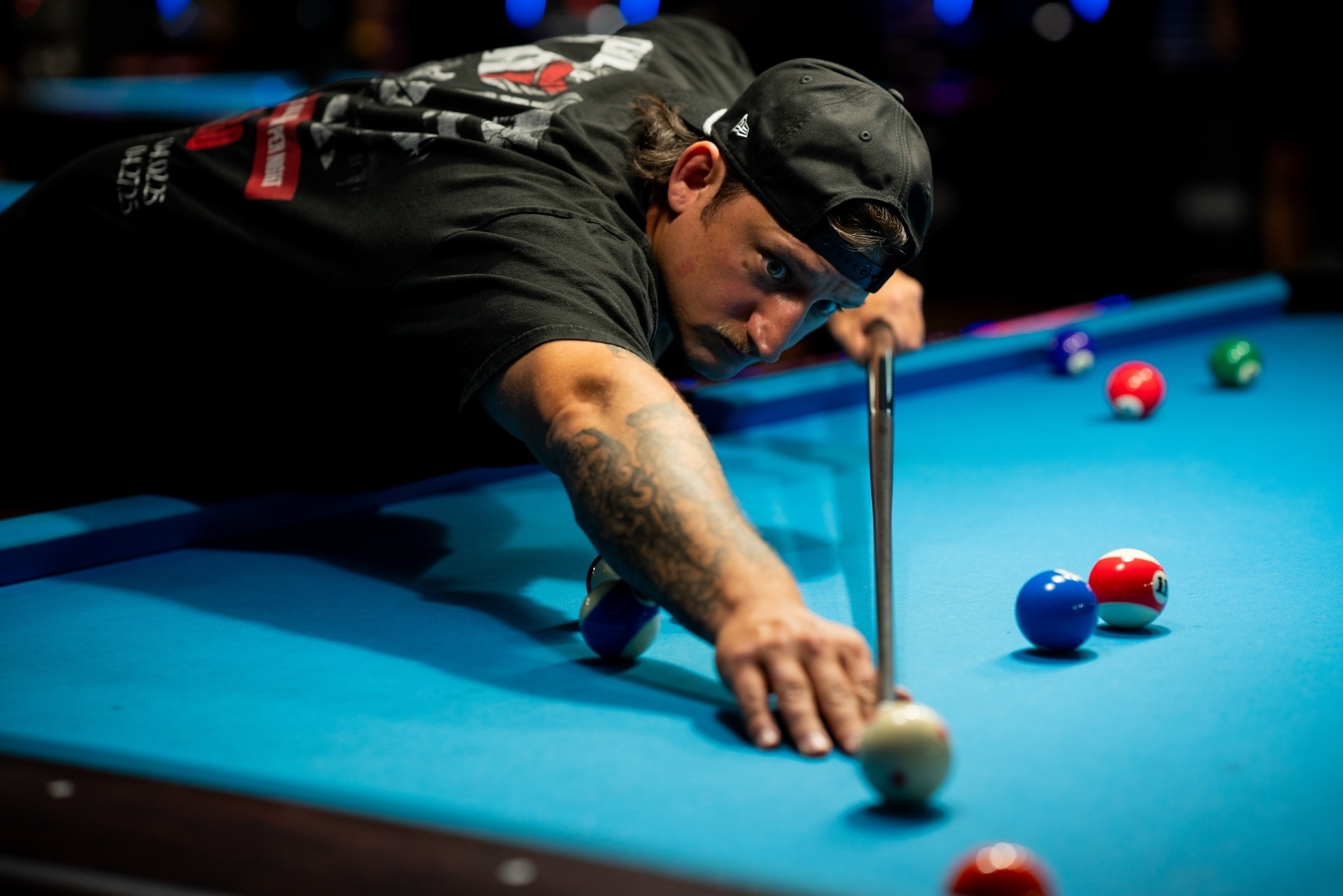
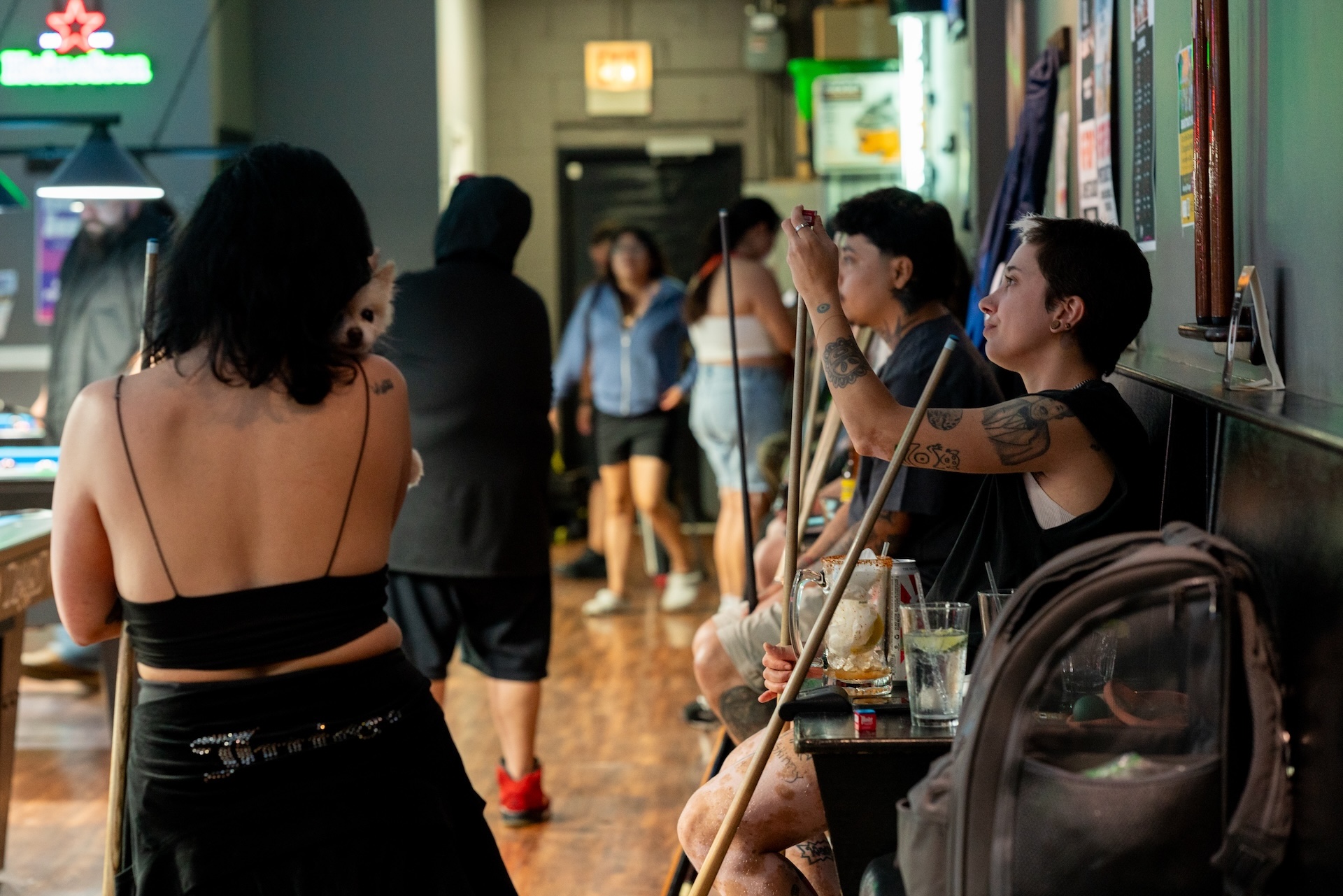
A lively pool hall and bar, Nick’s is beloved by casual and hobbyist billiards players alike. Local leagues play weekly tournaments, but the space is large and laid back enough to accommodate smaller groups and solo players, too. The kitchen has a wide array of beer cocktails and bar food staples they offer.
Borderless Guidebook is a multipart project by Borderless Magazine that celebrates Chicago neighborhoods with significant immigrant communities, highlighting the history, businesses and people that help shape them.
Camilla Forte is a CatchLight fellow and Report for America Corps Member covering immigrant communities for Borderless Magazine. Email Camilla at [email protected]