 Camilla Forte/Borderless Magazine/Catchlight Local/Report for America
Despite barriers to attending college as an undocumented immigrant, this DACA recipient paved her own career path as a content creator to uplift immigrant-owned businesses in Chicago.
Fifteen years ago, Rocio Villalva found herself in a state of hopelessness. Being undocumented made her feel trapped, and she hadn’t fulfilled her lifelong dream of completing her bachelor’s degree.
Life in the U.S. was not what she had imagined when she crossed the border with her sister and mother at just 9 years old.
But DACA and carving out her own career as a content creator helped reduce her sense of not belonging in the U.S., she said.
News that puts power under the spotlight and communities at the center.
Sign up for our free newsletter and get updates twice a week.
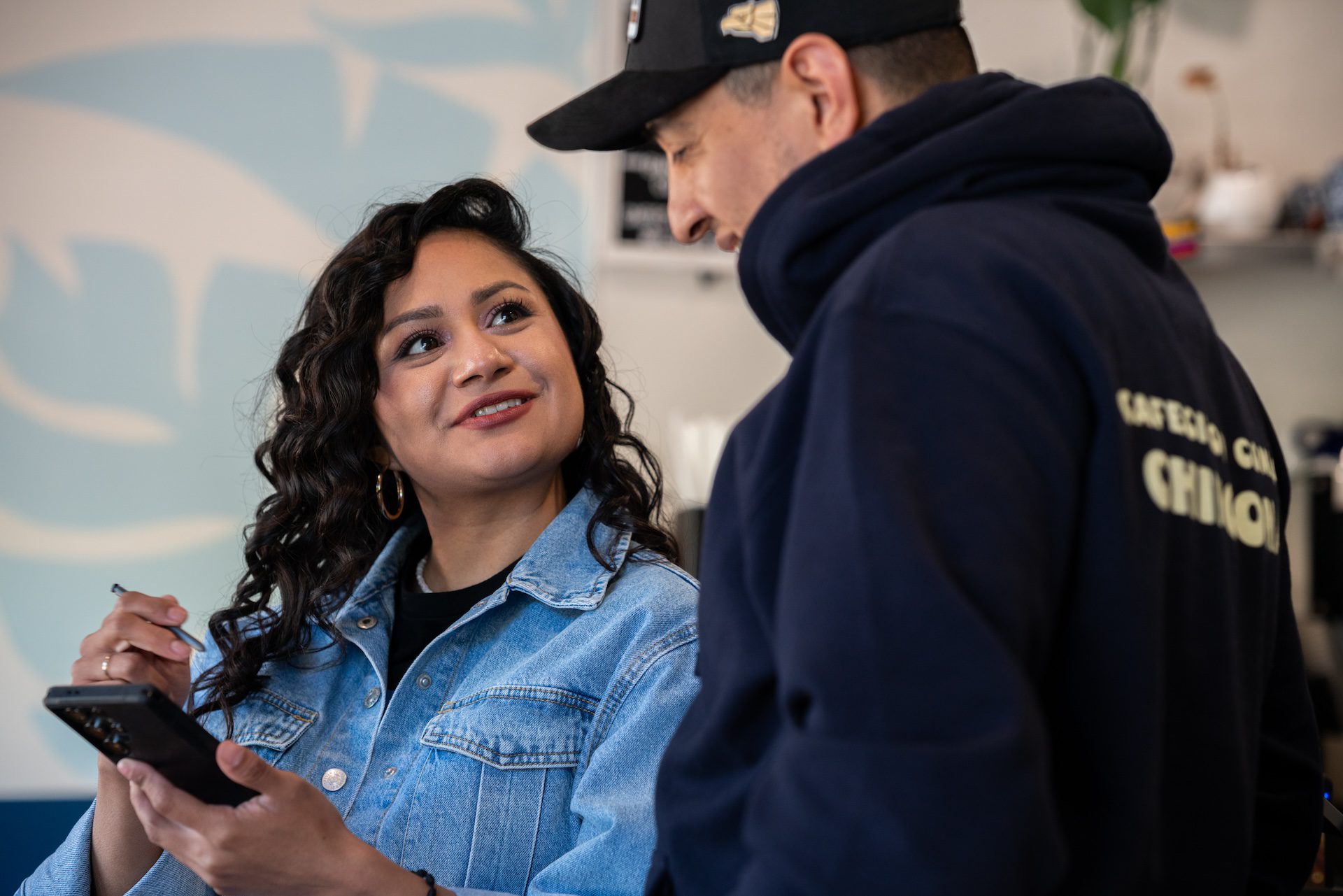
She is now a business owner with over 30,000 Instagram followers and more than 20,000 on TikTok, creating content that highlights restaurants and events throughout the city, most of which are immigrant-owned or run. However, the uncertainty of DACA is threatening the business she has built and her future in the U.S.
Borderless Magazine spoke with Villalva about growing up with DACA in Chicago, how those experiences shaped her career as a full-time content creator and how she uses that platform to help other Latinos and immigrants feel seen in a place that she struggled to call home.
Growing up in Mexico
I am from Cuernavaca, Morelos, where we lived in poverty when I was little. Our home would flood when it rained, and sometimes we would even go hungry, so my dad left for the U.S. in 1996 to work.
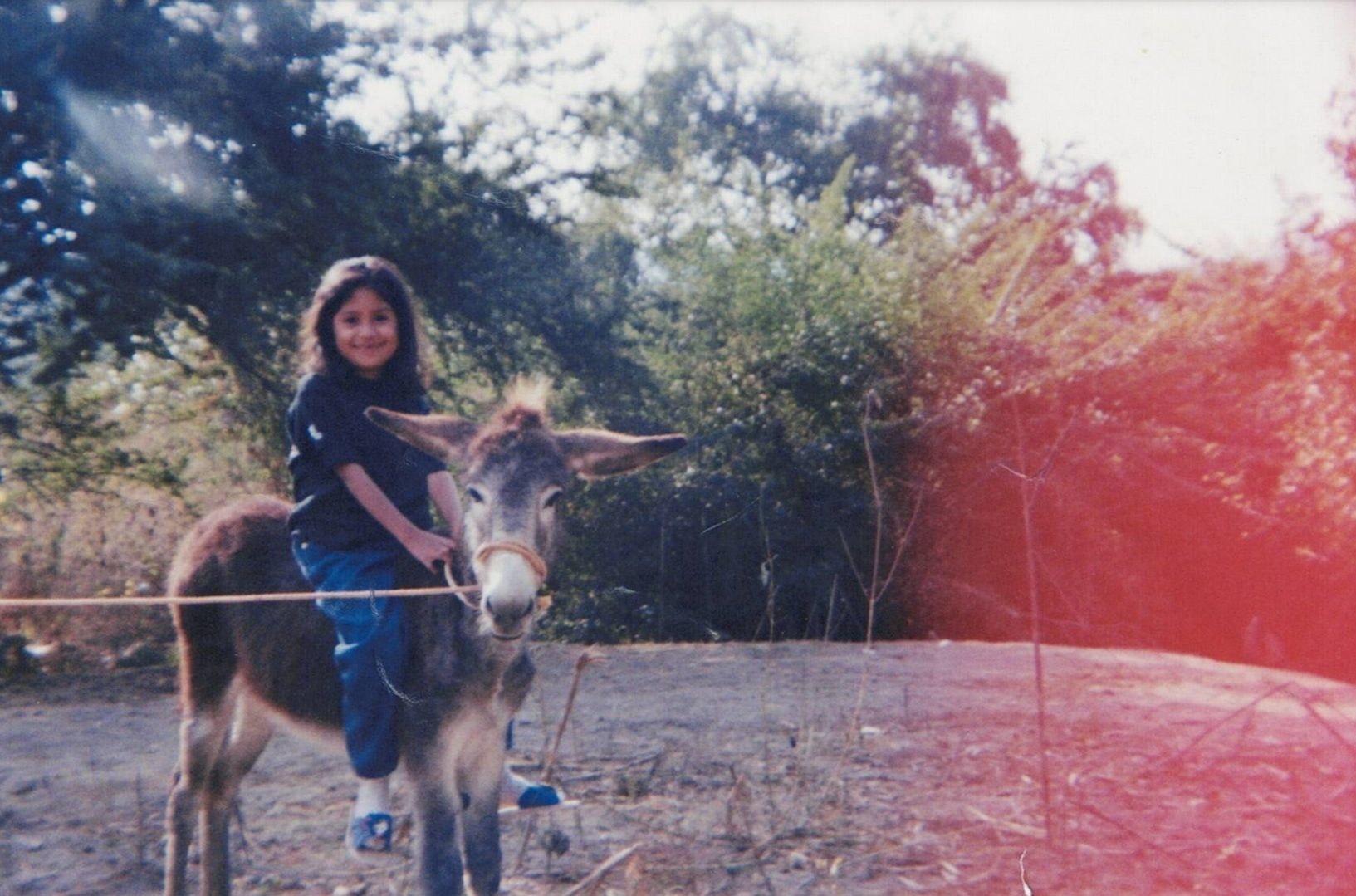
He sent us money while he worked there. When I was 9, my mom, my younger sister and I crossed the border to join him. We wanted a better life and to be together.
My sister and I each crossed separately on foot with different women. We didn’t know who they were, but we were little and didn’t understand what was going on.
They gave us different names and told the U.S. Customs and Border Protection officers that they were our godmothers at a port of entry in Arizona.
I vaguely remember one of the “coyotas” [the women with whom I crossed the border] told me I was going to make something of myself. She didn’t know me, but I think she heard me say that I had heard the U.S. is the country where many people make their dreams come true. I think she saw something in me as I was being talkative and cracking jokes while in the middle of us crossing the border.
My mom wasn’t with us. She took a more dangerous path.
I realize now that we could have been trafficked in that situation, or other things could have happened to us. I could have never seen my family again. I think about it, and it makes me want to cry because my mom was so young and was very brave to make the decision to cross.
After crossing, we arrived at a house in Arizona where we reunited with my mom.
At the house, I saw other people who also had just crossed. I remember a man and his wife who had just crossed through the desert and had their shoes taken away along the way. They had cactus spikes on their feet and hands. Thankfully, we didn’t have it as rough as them.
The coyotes put us in groups and drove us to different states in the U.S. They put my mom in an SUV and my sister and me in a truck. We were told not to look out the window, but we still did. We were so mesmerized by seeing the snow, mountains and pine trees through the window. Even the people looked different. They were walking their dogs rather than letting them roam freely in the streets.
It was then that I realized how different the U.S. is. I was in shock, realizing my life was changing. Thinking back on it, that was the beginning of this life.
Read More of Our Coverage
It took us two to three days to get to Chicago. The people who were driving us dropped people off along the way. My dad was living in Uptown, so that is where we were dropped off.
The guys who delivered us shook my dad’s hand. That was the first and last time I ever saw them.
Now looking back on it, I’m like, “Wow, how did we do that ourselves?”
Chasing dreams in Chicago
Since I came from Mexico, I didn’t really know what to expect in the U.S. I knew we were coming here, but at 9 years old, I didn’t understand what was really happening.
Our first night at my dad’s apartment, I remember it was cold, and my dad had ordered chicken soup.
We showered and went to sleep. I remember thinking I’d sleep in peace here because La Llorona [a legend in Mexican folklore, “The Weeping Woman” in English] probably wouldn’t appear in the U.S. I wasn’t particularly scared of her in Mexico, but it was a thought that brought me peace.
Coming here completely transformed us; it changed our lives.
We didn’t have as much freedom here because we were undocumented. My parents had to work all day, and I stayed home to take care of my sister. The winters were so cold, so we were inside a lot more. We couldn’t go to the park; we had to stay in, so it was very lonely.
The house was empty. I remember being really upset that I couldn’t watch the cartoons I used to watch in Mexico. We played Spanish radio to not feel so lonely at home anymore.
Growing up, I dreamt of going to college. I graduated from high school, but my family couldn’t afford to send me to college to get my bachelor’s degree. I wasn’t eligible for federal financial aid, so I got an associate’s degree instead, with some help from a private scholarship. Nursing turned out not to be for me.
Then, I worked at a cell phone store. There, I realized I loved sales and talking to people, but I wasn’t sure what that meant for me yet.
Navigating life with DACA
I remember when I was 22, my mom heard about DACA on TV and she said my sister and I would have status here. I thought, “Oh my God, finally!”
I applied when the program first started in 2012. I thought about going back to college, but I still couldn’t get government assistance like grants. We couldn’t apply for Medicaid either. We still couldn’t apply for the help we needed.
I started feeling depressed because I didn’t get a bachelor’s degree and faced personal traumatic events that happened after coming to the U.S. I wasn’t eating, didn’t want to leave my house and didn’t have any motivation to work. I felt like a failure.
Not being able to travel to actually learn about my country, be in my country and know my culture and people is something I struggle with.
I have considered going back to Mexico. What if life is different for me there? Could I be happier if I could travel like my friends? I’d have the freedom to go out and explore and learn about my country.
I feel like I’m trapped here. But back in Mexico, I don’t have anything. All my family is here; I don’t know my country or my culture. I have lived most of my life here.
We’re still in limbo, especially now. We can still be deported.
But some things keep me going. I am a person of faith, and God has provided for me. I also found the right therapist to help with my mental health.
Life as a content creator
I realized I wanted to study marketing, but I couldn’t go back to college because it was too expensive. I wanted to create, and I wasn’t going to let my situation define my future and steal my dreams, so I learned what I could on my own — networking, reading and watching videos.
I decided to go out, take pictures and tell people about the places I liked. I was shy at the beginning about eating at a restaurant by myself, but I pushed through.
I did a lot of Facebook lives, which helped me connect with people, something I love. It gave me joy and made me feel better.
Even though it felt like a hobby, the goal was to turn it into a business and apply what I learned about marketing. I didn’t know where it was going to take me. I just kept creating and looking for opportunities.
I had only 300 followers, and most of my engagement came from my aunts and my mom.
In 2020, I learned that a cafe had just opened and was about to close. It was during the pandemic and the George Floyd riots. The cafe was covered in plywood. I thought the cafe wouldn’t survive, so I decided to see if I could help by doing a live video and asking my followers to support them. I reached out to the owner and offered to do a review of the restaurant. He agreed. I did a live video and got a call from him the next day, saying they were running out of food because so many people had shown up after I did the video.
I realized the power of social media and my platforms, so I kept making more videos for other restaurants.
One of my greatest achievements was collaborating with Choose Chicago when I was a very small content creator. I worked with them for four years to bring traffic to local restaurants — most of them Latino — during and after the pandemic. That opportunity gave me the drive to keep moving forward with my work.
Supporting businesses helped me feel I belonged here. I’m a part of the city, and I’m helping my community.
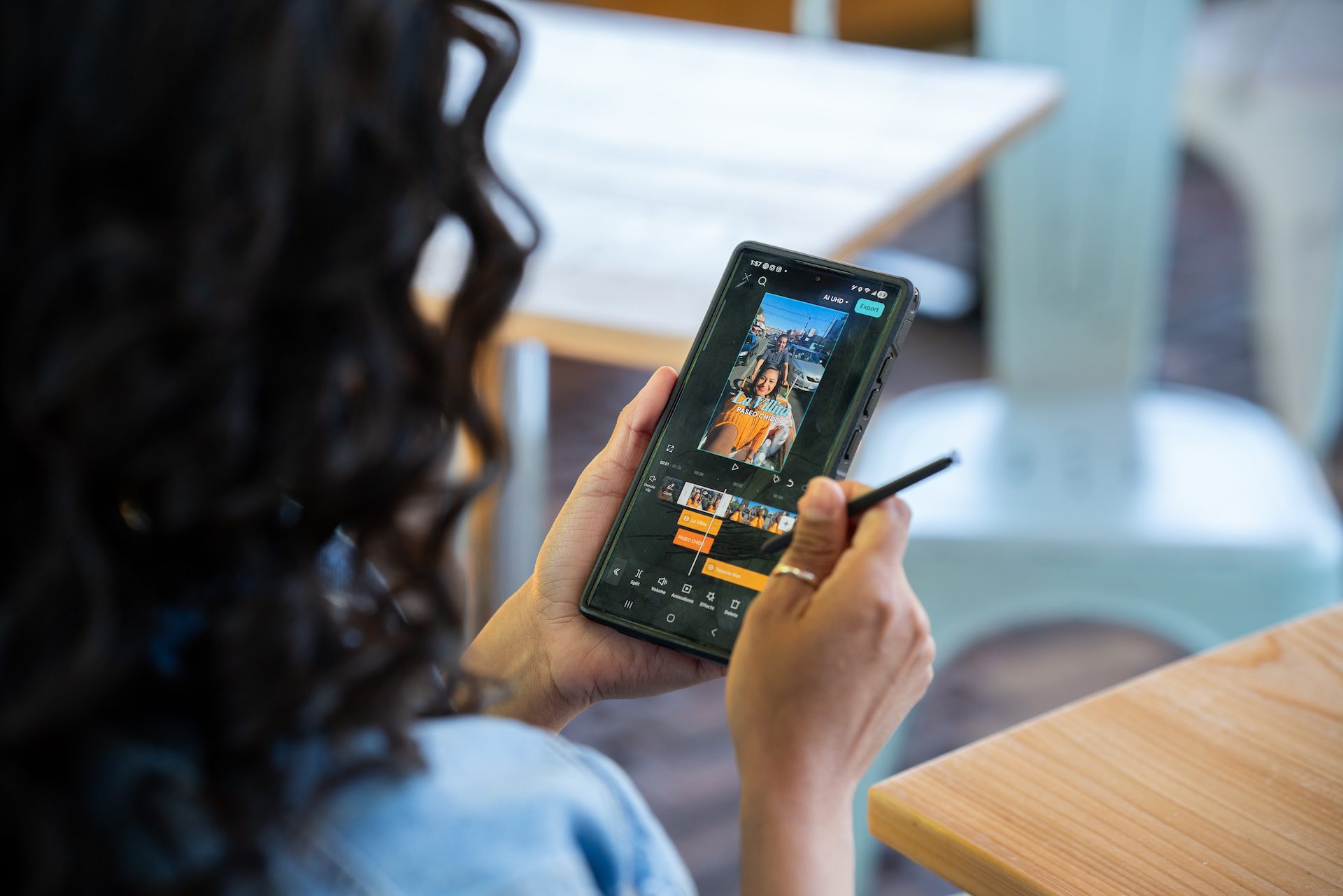
I’ve been doing this full-time for one-and-a-half years now, collaborating with small businesses and big brands to target the Latino community in Chicago.
I think people out there can tell that it’s genuine and not just a business. I really do enjoy helping my community. That is why I focus on the Latino community and create content in Spanish. I tell my followers: Chicago is for you, so you can enjoy it, so you can have fun. You can feel at home. I’ve met people who have lived here for decades and have never visited the Bean or used the CTA train.
I love my people, my community. I don’t want immigrants like me to feel how I have sometimes felt: out of place in some restaurants or festivals in the city. They should know they deserve to be in those spaces. They work, they contribute with community services, they raise their families here, buy homes and pay taxes, we belong here. I tell them to get out, be social and not stay at home. It‘s certainly helped me.
The path of having my own business with my time has helped address the feeling of being a failure. I have a flexible schedule now, too, which has helped my mental health a lot. It has been healing. I feel more motivated now to work on my career and myself.
I had so much fear before and didn’t know what to do with myself, but thank God I never stopped fighting.
I feel proud of who I am and what I’ve built.
I see my community from a different perspective now. Most of my clients are Mexican like me. I realized there are many people like me who are Mexican and are business owners or are building generational wealth. They are not only what we see in the media. The media has not shown how much we have done and where we are right now.
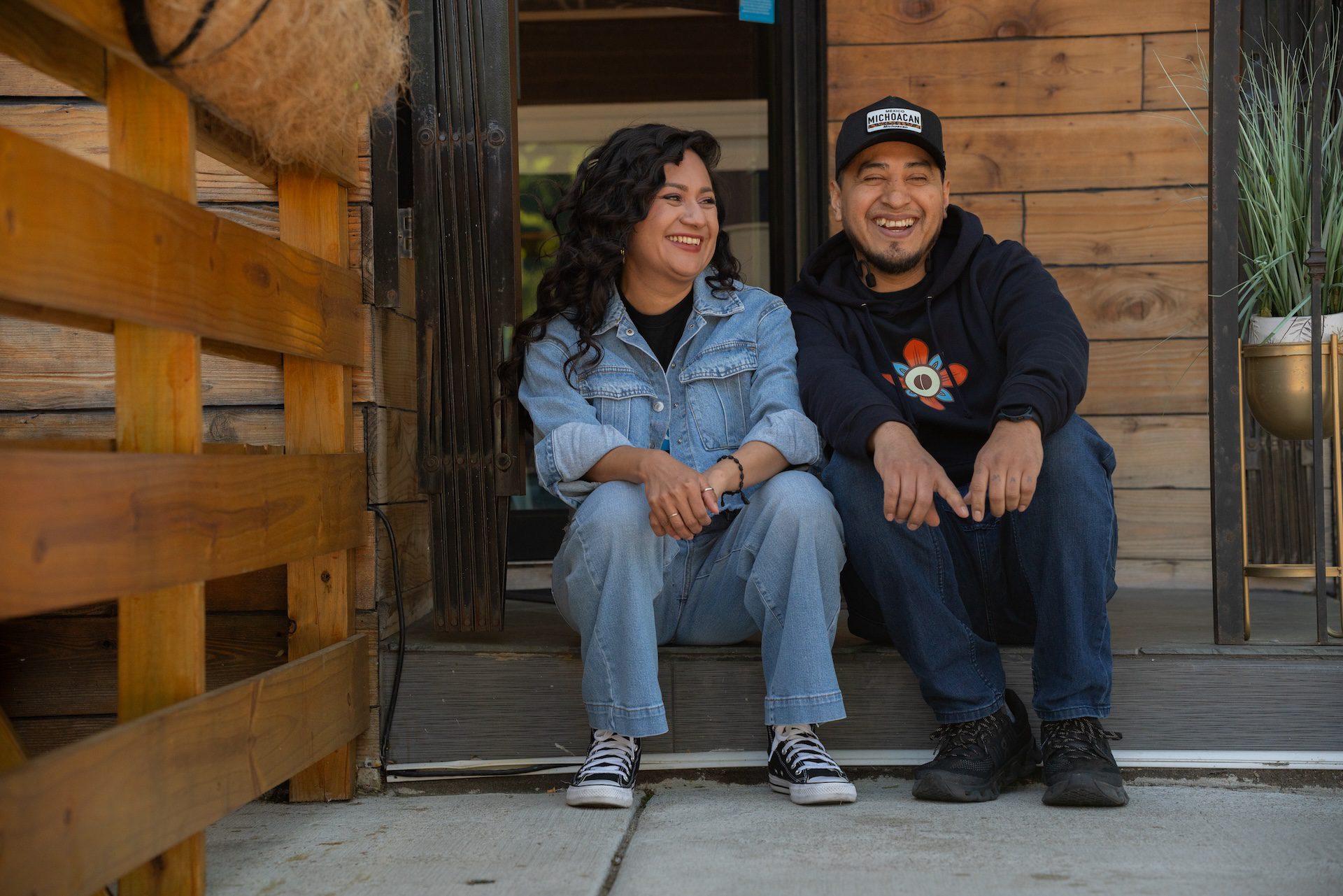
There is a lot of wealth in the Latino community. I have seen it. I think our community should know we have power. That makes me really proud. I want to show people everything that I see now. I want to let them know they can do more for themselves, even if they are undocumented.
My clients tell me their stories, how they built their businesses, and it is really fulfilling and inspiring to learn how they did that as immigrants in a new country.
I’m still going to be fighting like I did before I ever received DACA, so that hopefully one day we can feel like we belong here.
Aydali Campa is a Report for America corps member and covers environmental justice and immigrant communities for Borderless Magazine. Email Aydali at [email protected].
This story was produced using Borderless Magazine’s collaborative as-told-to method. To learn how we make stories like these, check out our as-told-to visual explainer.