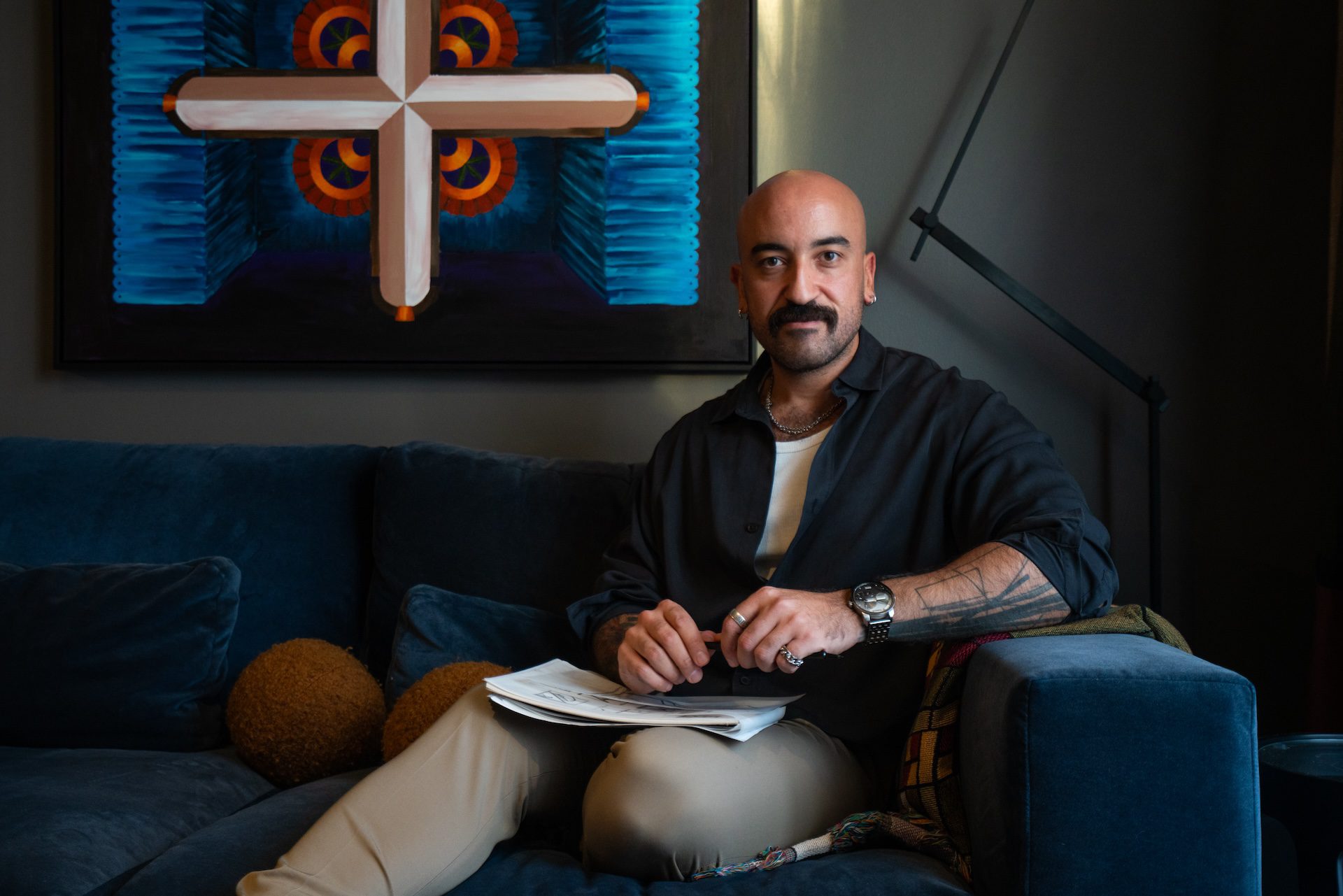
 Camilla Forte/Borderless Magazine/Catchlight Local/Report for America
Toufic’s journey to the U.S. wasn’t just about economic opportunity — it was about survival and freedom to live authentically.
This story was supported by the Brave of Us campaign.
Lebanese native Toufic Alayyash landed in Chicago with two things: his suitcases and hope.
In March 2020, he stepped into the city to visit his sister and determine his next move.
Living in Lebanon’s capital of Beirut and then Dubai, where being gay could mean imprisonment, had worn him down.
Then, the pandemic hit. What was meant to be a short visit became permanent, as he sought asylum.
News that puts power under the spotlight and communities at the center.
Sign up for our free newsletter and get updates twice a week.
Four years later, he founded AYYA Design Haus, creating spaces and designs he hopes inspire the same freedom and authenticity he sought to build for himself.
Borderless Magazine spoke with Toufic about his upbringing in Lebanon, his immigration journey and what it means to design a life — and a space — in a place that provided him the freedom to express himself.
Growing up in Lebanon
Ever since I was a kid, I’ve always respected potential and held onto the hope of something better.
I still carry that feeling with me. It comes from the experiences that shaped me early on.
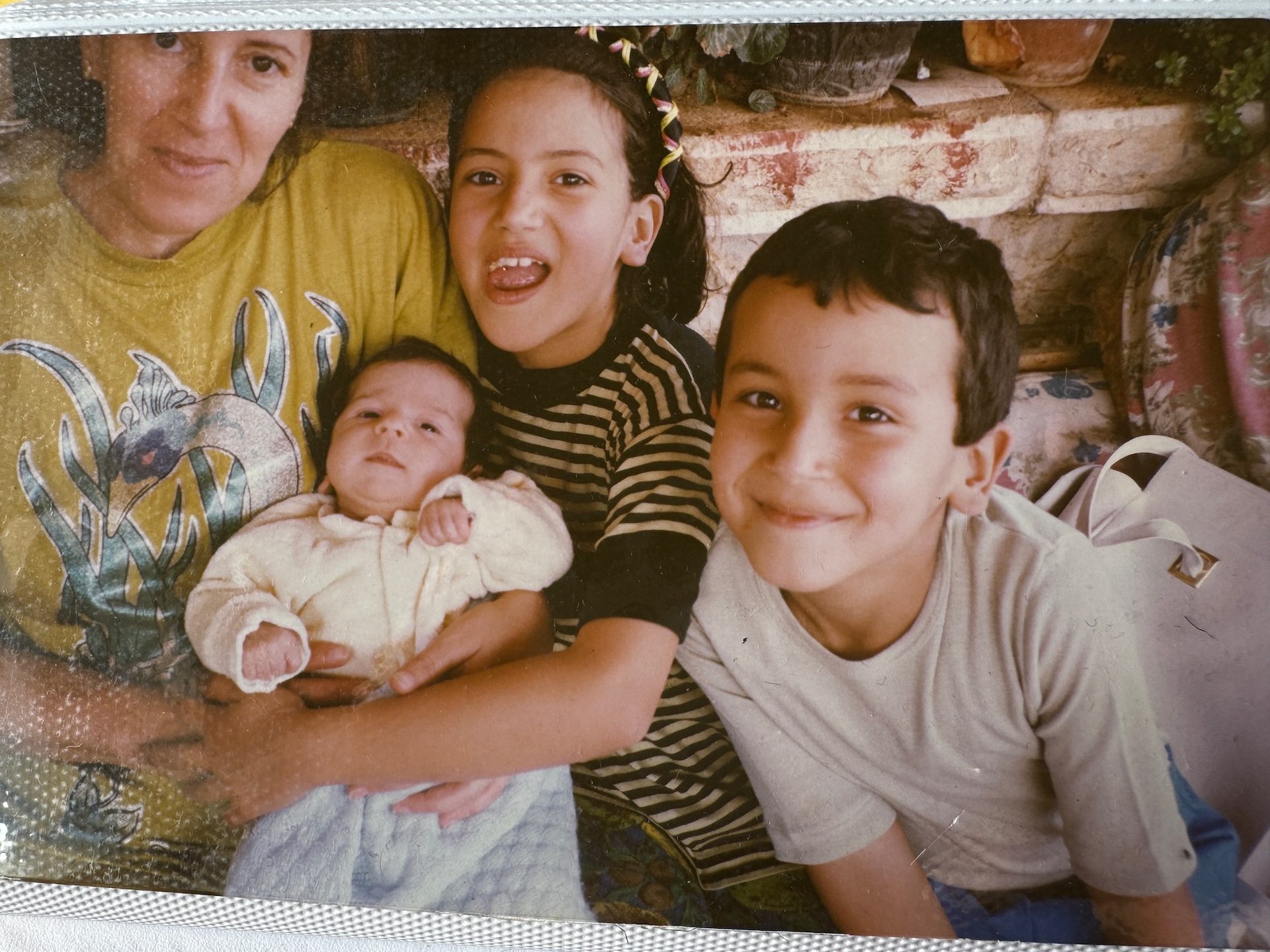
Even though my mom is Muslim, both of my parents were significantly more liberal back then compared to the parents of other kids where I grew up. Still, everywhere I looked, I saw limitations.
Living with them meant compromising aspects of my identity. It felt as if everyone tried to steer me away from anything that didn’t match the boy they thought I should be.
I am passionate and creative. I love beauty, design and storytelling. I was never attracted to the typical “boyish” interests. I wanted to be a costume designer, but my father said his son wouldn’t be a seamstress. To me, back then, it felt like who I am and what I love was not good enough.
I was a misfit, and I thought there was something wrong with me all the time because I didn’t fit in this world.
Not fitting in became a driving force, and changing my narrative became my goal.
But it also created fear of expression. I had to hide and not share what I was struggling with.
Throughout my life, I suffered from epilepsy seizures, and later I was diagnosed with Crohn’s disease as an adult. At a younger age, I suffered from verbal and physical abuse from kids at school and neighbors, as my queerness and flamboyance were an easy target for their insecurities.
I believe that my health and emotional and mental challenges are connected to the toll put on my brain and nervous system from what I’ve gone through in silence.
Falling in love with design
I wanted to grow into becoming someone who helps people build beautiful lifestyles, spaces and tell stories of individuality and expression.
When I went to college in Beirut to study interior architecture, I was also introduced to the city’s underground gay nightlife. It was a revelation. I realized I wasn’t alone in the world. For the first time, I had a community and friends who shared similar stories. We danced, we dreamt, we escaped in hiding.
I used to be terrified, not knowing what being gay was. I now had gay friends, and we could dance and drink.
But that escape became a distraction. I failed my first year of college, which became the reckoning that pushed me to stop running and become more intentional about my future.
Read More of Our Coverage
There was a significant shift from being lost to committing to a career in interior architecture.
I reconnected with design. This time, it was an outlet for storytelling. I realized that even if I couldn’t be myself in the world, I can create a new version of my world on paper. I can be myself in my stories.
That discovery helped me realize my potential. Dreams and ideas are great, but the most important thing is vision and strategy — not what you see, but how to bring it to life. You have to be able to bring ideas to life.
This journey into becoming an interior architect helped me build more trust in myself and my future. I realized the power of choice.
However, after a few years of working as an interior architect in Beirut and then in Dubai, something was just not working. I was lost again.
Seeking asylum
I always felt the toll of living in a very closeted culture. I was only openly gay to a select group of friends. I wasn’t even open to my colleagues at work. I always felt that I couldn’t be myself. I was falling into the same pattern of mischoices and toxic relationships, over and over again.
In January 2020, I resigned, and I sold my belongings. The plan was for me to travel around and then figure out my next move. I packed two suitcases and put everything else in boxes and sent them to my mom in Beirut.
I started my trip in Chicago because my sister lives there. I landed in March 2020, and then the world went into lockdown due to the COVID-19 pandemic.
I no longer had a work permit in Dubai, so I couldn’t really return to Dubai. I am definitely not going back to Beirut. If I go back to Beirut, my future — and the hope that I had for myself would die, I thought then.
I dreamt of one day having a partner, maybe even getting married, owning a house and creating new experiences. That life was a fantasy, but as a designer, I make dreams come true. I thought, maybe it’s my turn now.
I had nowhere to go. The only way I could stay in Chicago legally was to apply for LGBTQ asylum, so I started reaching out for help. I contacted immigration organizations and wrote to attorneys, explaining my story each time. Most of them rejected my case, saying it wasn’t a priority.
I eventually found an attorney, Sara Ghadiri of Chapman & Cutler LLP, who picked up my case on a pro-bono basis through the National Immigrant Justice Center.
She listened and understood my story. Once I applied, I was told that I couldn’t return to Lebanon. I had to choose between an uncertain future in the U.S. or returning to what did not work for me.
I felt like I was in a void.
I won’t be seeing my family again. I won’t be able to have the food or feel the Beirut breeze anymore. There’s a certain quality of air that we all sometimes seek to feel. It makes us feel at home, as if everything is okay. I knew I would no longer feel that way. There was a heavy sense of loss.
In the process of seeking asylum, I struggled with anxiety every single day that I would open the mailbox, hoping that I would get a letter with updates about my case. I was so paranoid because going back to Beirut was not an option I was taking.
I felt that I was putting all my hopes, my future, my ambitions, everything I want to do and become, into the hands of the unknown. It was terrifying.
Luckily, I was granted asylum status. I moved out of my sister’s place into a micro apartment in Uptown Chicago with no belongings other than my suitcases.
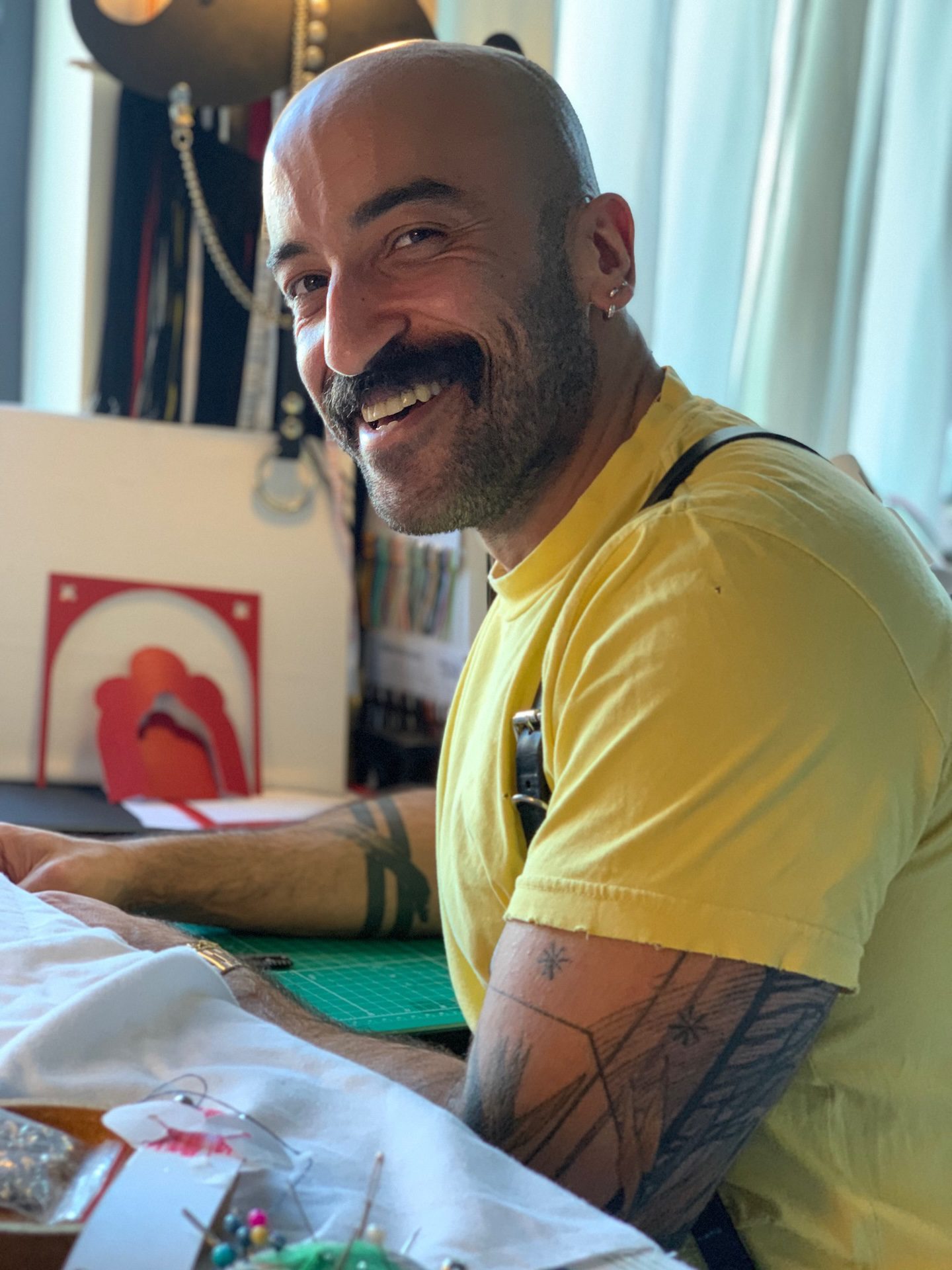
I started applying for jobs as soon as I got a work permit. I was eager to learn about the building codes and standard practices in interior architecture in the United States, particularly in Chicago, and return to design.
“I was running. Right now, I’m building.”
I found a job with a home renovation company, then moved into retail with one of the leading global retail and design companies. In 2023, I began practicing interior architecture on the side and launched my company in November 2024.
AYYA Design Haus, the name of the company, comes from the middle four letters of my last name. In Arabic, Aya أية also translates to miracle or holy story. I wanted to build my future on the foundation of what brought me here.
Since then, I’ve continued to create designs that challenge conventional architecture, contractors, builders and engineers.
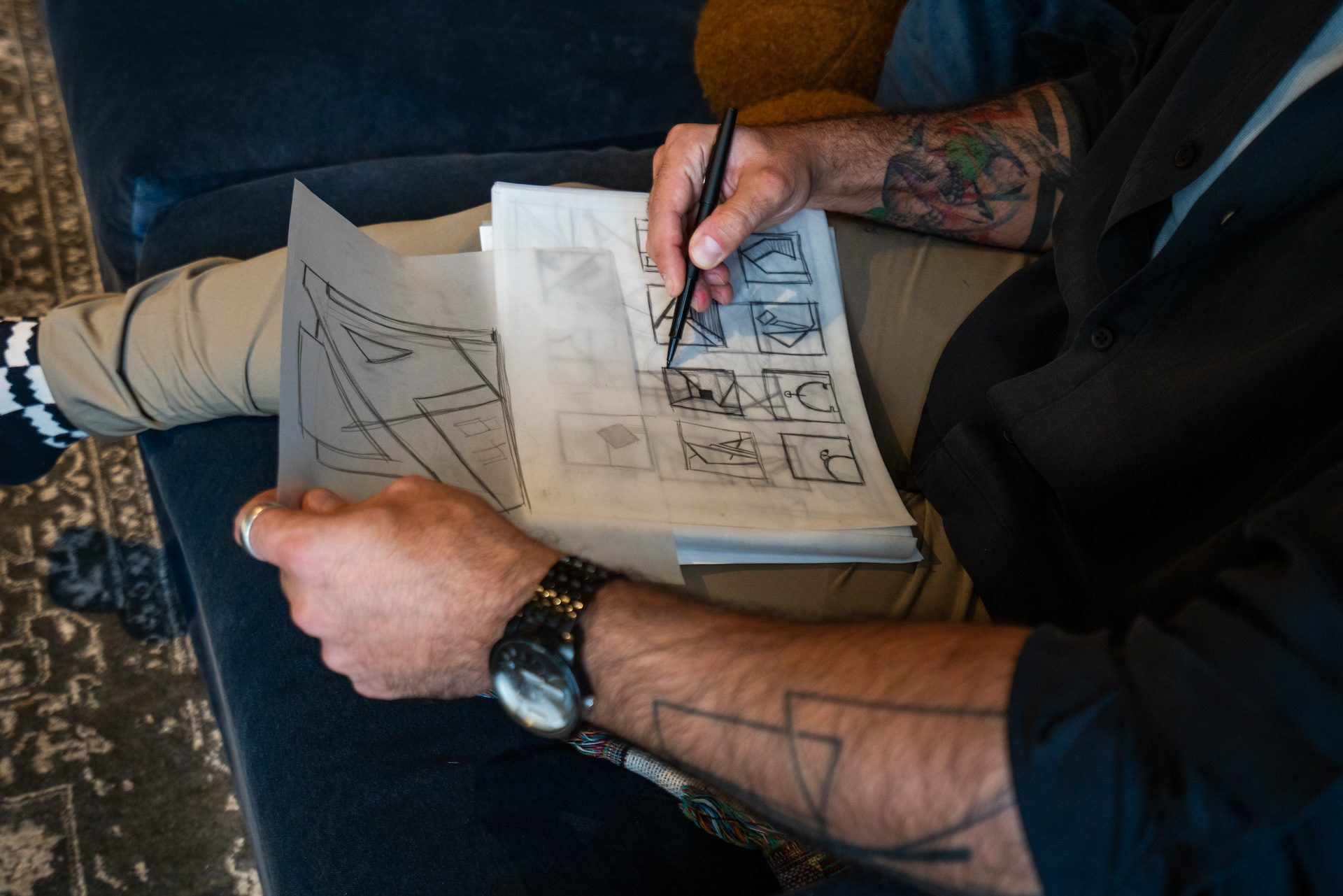
Growing up, I was told I was too sensitive or delicate. Now, I’m embracing that sensitivity, which has inspired my creations. I work with people to show them hope, opportunity, potential, design, beauty and art.
When I design, I want to understand the person behind the project — their values, emotions and intentions. I want to know their world. This allows me to design spaces that are an extension of who they are.
My transition journey from the Middle East to Chicago has uncovered past trauma that had so much control over my life before. I was running. Right now, I’m building.
As someone who has experienced completely contrasting realities — – being where I am now, living authentically with my life partner, shaping a life that is led by design, expression and authenticity — –is everything that I’ve always wanted. It came at the cost of separating myself from my origins and roots, but looking at my future, these roots will always have a place in me, in my heart, my life and the work that I put out to the world.
Once I realized what I was running away from, I realized I had to face it. While in Chicago, I went through trauma therapy to process my experiences. Being at peace requires more than simply running away, and being still demands more effort than running away.
My true value as a designer lies in being a problem solver. I am proud of that perseverance that always inspired me to keep going, no matter what people thought. Now I know that as long as I believe in my vision, the right people will join. I am grateful for the people who chose to join me: my family, friends, team and clients who believe in my vision.
I now live where there are many cultures, languages and lifestyles. Honestly, I wouldn’t want to be anywhere else. I am my designs. They carry the spirit of the cities that shaped me.
Aydali Campa is a Report for America corps member and covers environmental justice and immigrant communities for Borderless Magazine. Email Aydali at [email protected].
This story was produced using Borderless Magazine’s collaborative as-told-to method. To learn how we make stories like these, check out our as-told-to visual explainer.