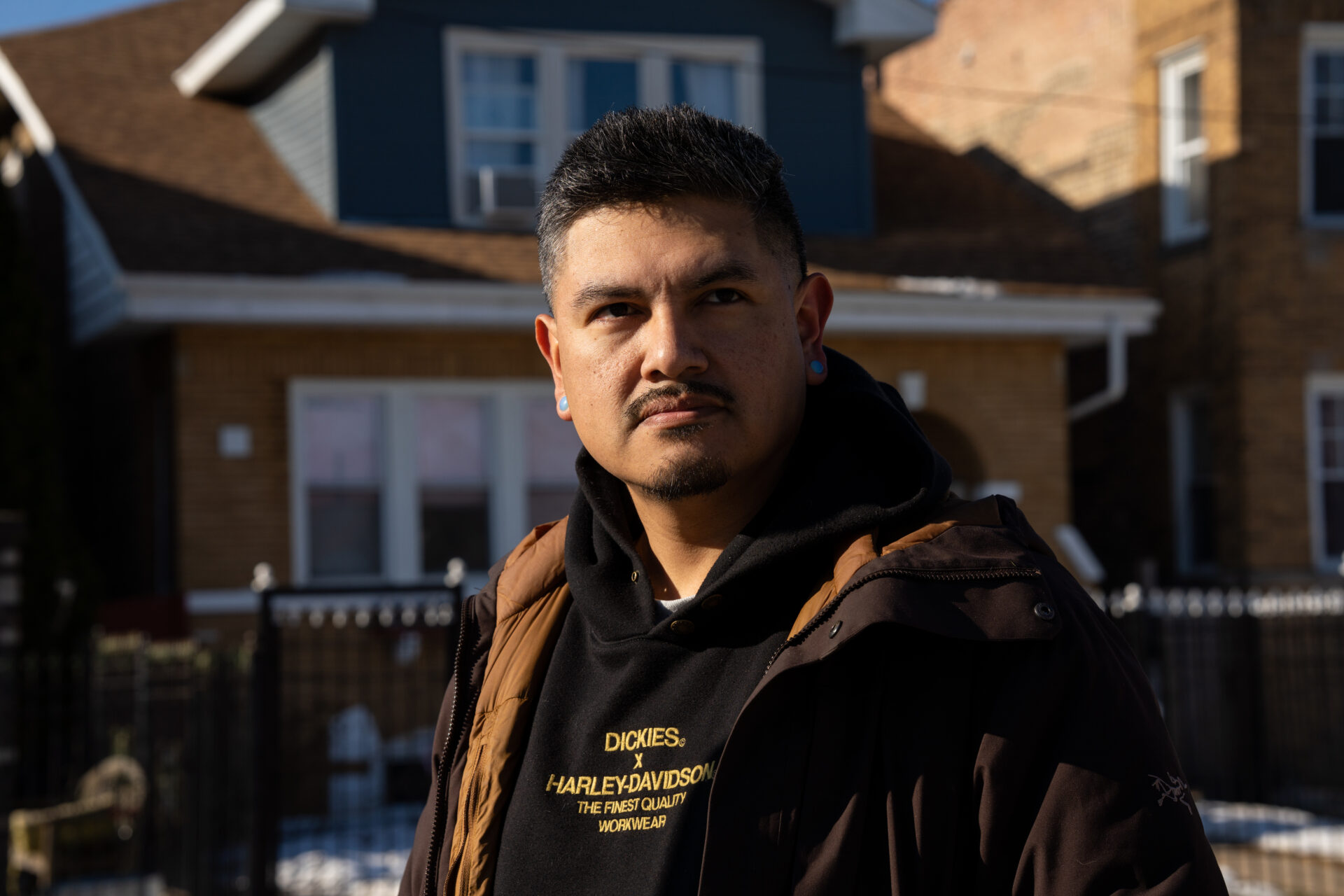
 Camilla Forte/Borderless Magazine/Catchlight Local/Report for America
Cuando la Operación Midway Blitz puso en la mira a los negocios de propietarios latinos, Ozzy Gámez se negó a quedarse en casa.
Esta historia ha contado con el apoyo de la campaña Brave of Us .
Esta historia forma parte de Seis Meses de la Operación Midway Blitz, una mirada de cómo las acciones de control migratorio del ICE han afectado a los inmigrantes de Chicago, y lo que están haciendo para protegerse mutuamente.
Ozzy Gámez se convirtió en emprendedor porque su estatus migratorio le dificultaba encontrar trabajo.
El inmigrante centroamericano inauguró su primera tienda, Plant Shop Chicago, junto a su socio Frank Quezada en el North Side de Chicago en 2018. Con solo cinco años al frente de la tienda, Gámez y Quezada vieron una oportunidad para un segundo emprendimiento.
"Algo que nos preguntaban a menudo en la tienda de plantas era: '¿Dónde está la cafetería más cercana?’ Y eso despertó una idea. Quizá debería haber algo cerca," le dijo Gámez a Borderless.
Noticias que ponen el poder en el punto de mira y a las comunidades en el centro.
Suscríbase a nuestro boletín gratuito y reciba actualizaciones dos veces por semana.
Así nació Casa Cactus. La cafetería, que está cerca de la tienda de plantas en el vecindario de Albany Park, se diseñó como un acogedor "espacio comunitario que casualmente sirve café," con un menú y una estética influenciados por la herencia latina de Gámez y Quezada.
Cuando la Operación Midway Blitz comenzó el otoño pasado, ese espacio comunitario cobró más importancia que nunca.
Borderless Magazine habló con Gámez sobre lo que la operación Midway Blitz ha significado para sus negocios y el impacto del aumento de las deportaciones y las redadas.
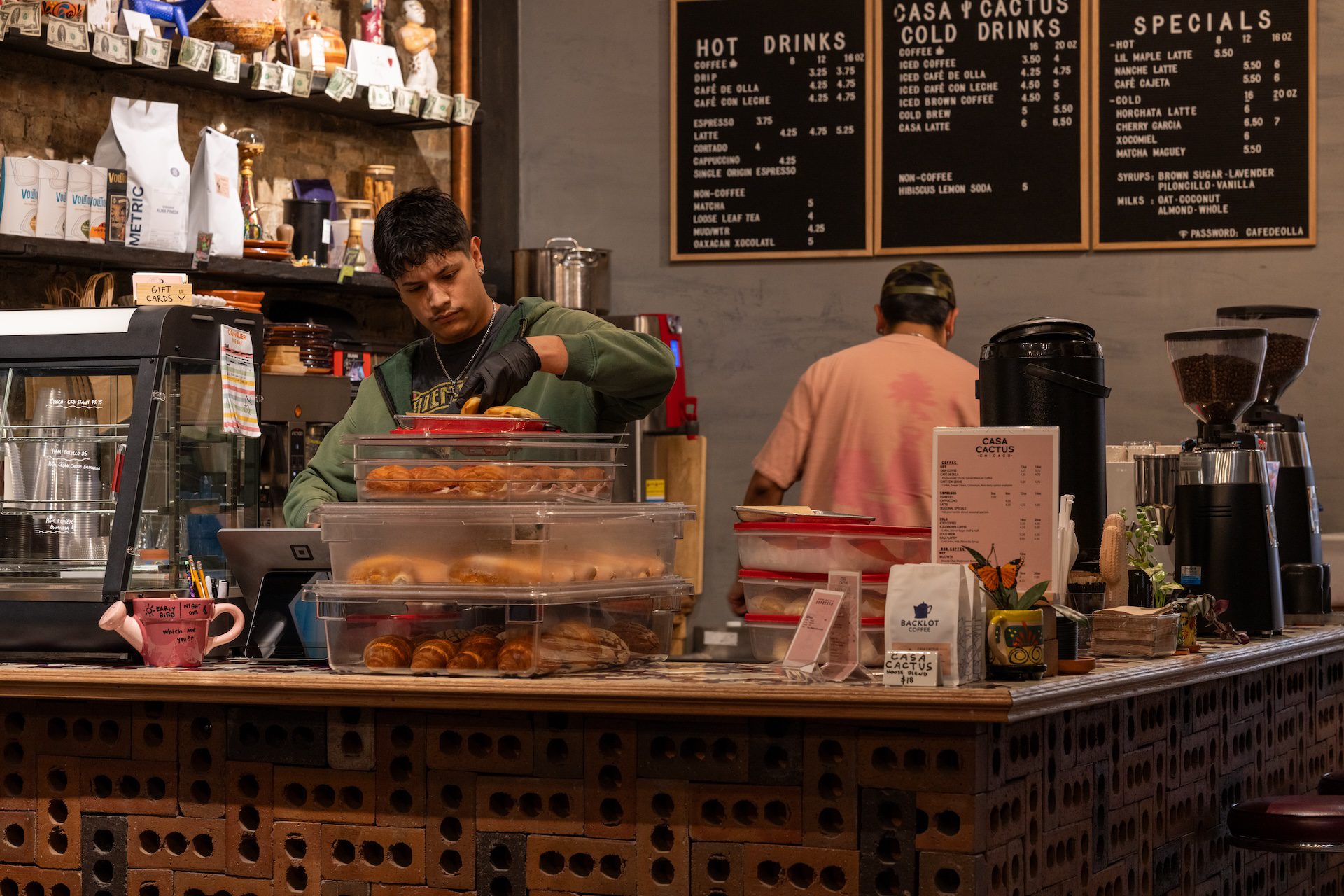
Antes de que empezara el Midway Blitz, no tenía ningún estatus migratorio. No fue hasta finales de septiembre del año pasado que me convertí en residente legal. A pesar de haber estado aquí desde 2001, nunca había sentido miedo hasta el inicio de Midway Blitz.
Salía de casa y hacía una cosa rara -mirar a la izquierda, mirar a la derecha- antes de cruzar el umbral de mi puerta. Conduzco una motocicleta, e incluso cuando hacía buen tiempo, me aseguraba de llevar manga larga, guantes y casco para que no se pudiera ver el color de mi piel. Tenemos una furgoneta de trabajo que se parece a todas las furgonetas de trabajadores, y hemos dejado de conducirla por completo.
Hace sólo unos meses que tengo una prueba física de que tengo estatus legal. Dado que mi tarjeta de residencia llegó en pleno Midway Blitz, no hubo tiempo de celebrarlo. Hubo alivio, por supuesto, pero eso es muy diferente a una celebración. Viendo todo lo que ha pasado con la aplicación de las leyes de inmigración, es fácil olvidar que tengo estatus legal, porque parece que no importaría. Si pasara algo, no sé cuánto peso tendrían mis papeles. Porque ahora han detenido a gente que ha nacido aquí.
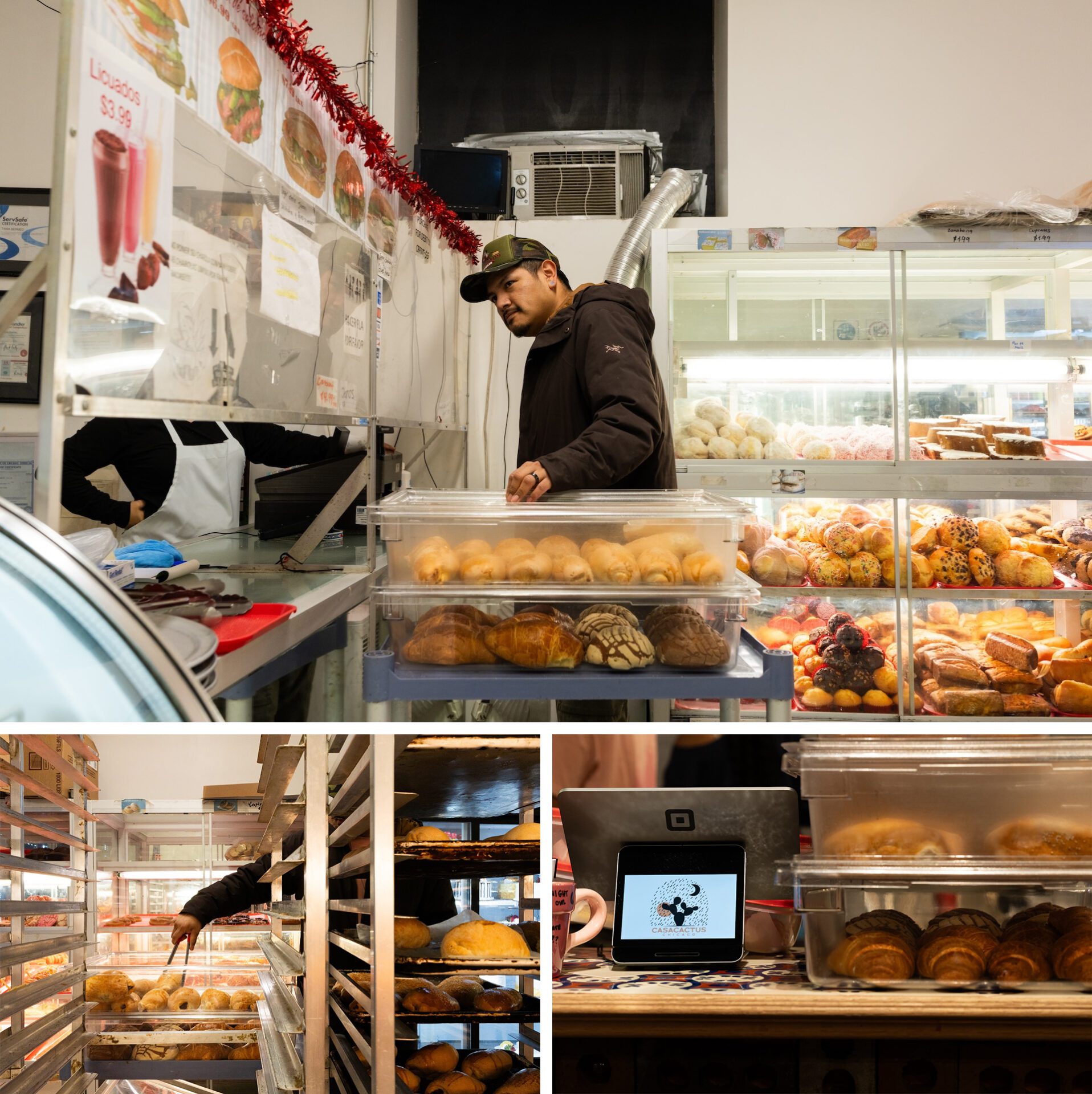
Seguí trabajando porque tenía que hacerlo. Emprendí un negocio porque quería tener un empleo propio, y no podía conseguir trabajo donde quisiera debido a mi estatus migratorio. Recuerdo que tuve una conversación con el personal cuando se organizaron protestas en febrero de 2025, en las que se pedía a los negocios propiedad de inmigrantes que cerraran y a los inmigrantes que no fueran a trabajar. Recuerdo que pensé, "Si tuviera un trabajo en algún sitio, probablemente iría a trabajar por miedo a que mis empleadores descubrieran que no tenía estatus o derechos de ciudadanía." Entendía el movimiento, pero la verdad era que, ese día, las personas indocumentadas iban a trabajar.
Gran parte de ello fue también el miedo que empezó a gestarse en casa. Mi esposa, al ser ciudadana estadounidense, empezó a temer que me detuvieran y deportaran y que ella no supiera dónde estaba. Me pidió que no saliera de casa y me dijo que lo que necesitara, ella podría ir a buscarlo. Así que me quedé sentado y ni siquiera fui a trabajar. Entonces, mientras estaba allí sentado, sólo pensaba en lo que esto nos estaba haciendo. "¿Es esto parte del plan de esta administración? ¿Inculcarnos el miedo suficiente para que pensemos, 'Quizá debería autodeportarme'?"
Si ese forma parte de su objetivo, entonces no quiero caer en eso. Así que tuve que hablar con mi esposa y le dije, "No podemos vivir con miedo. Tengo que seguir con mi día como lo haría normalmente."
Creo que está bien sentir miedo. Pero dejar que se instale en nosotros es realmente devastador.
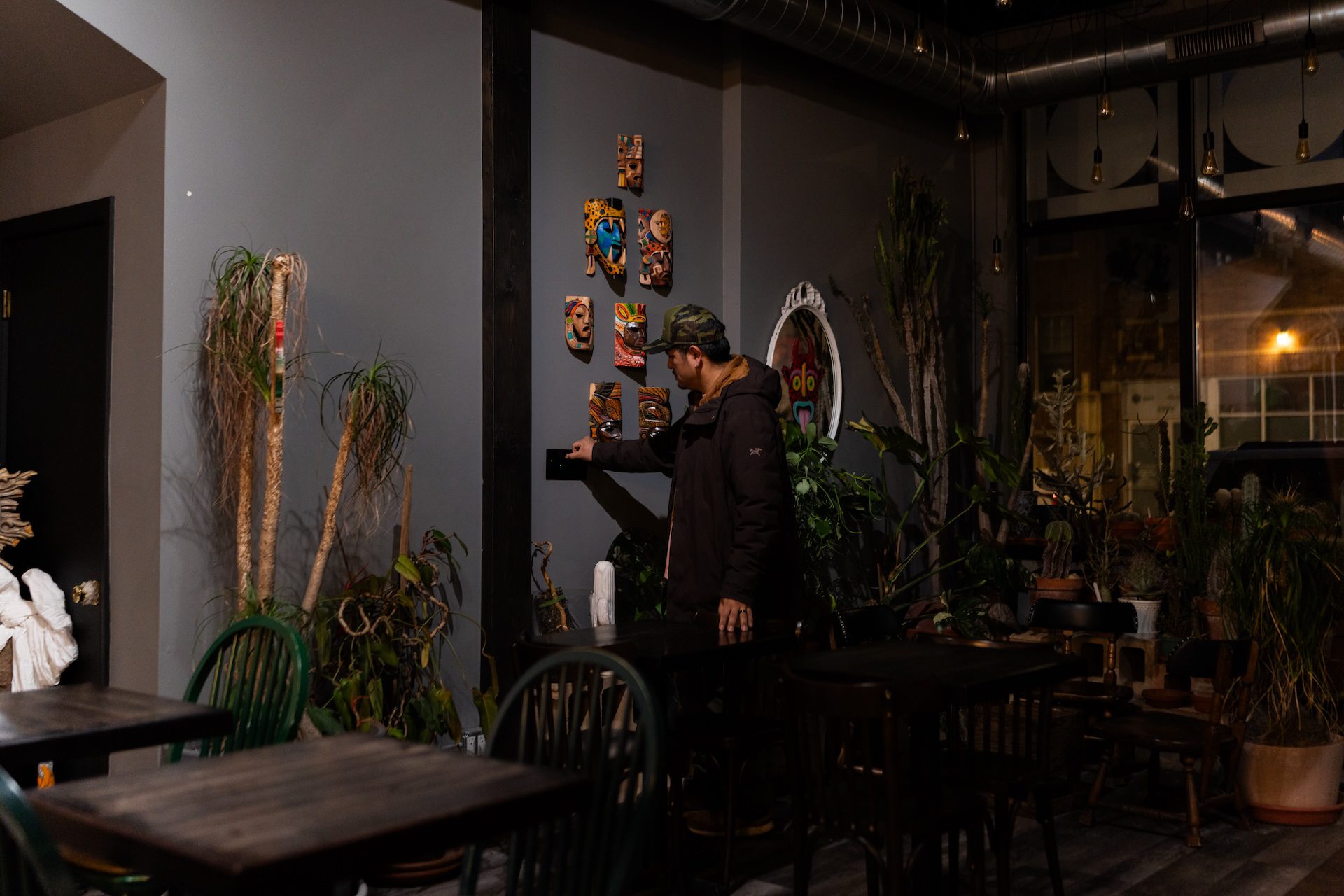
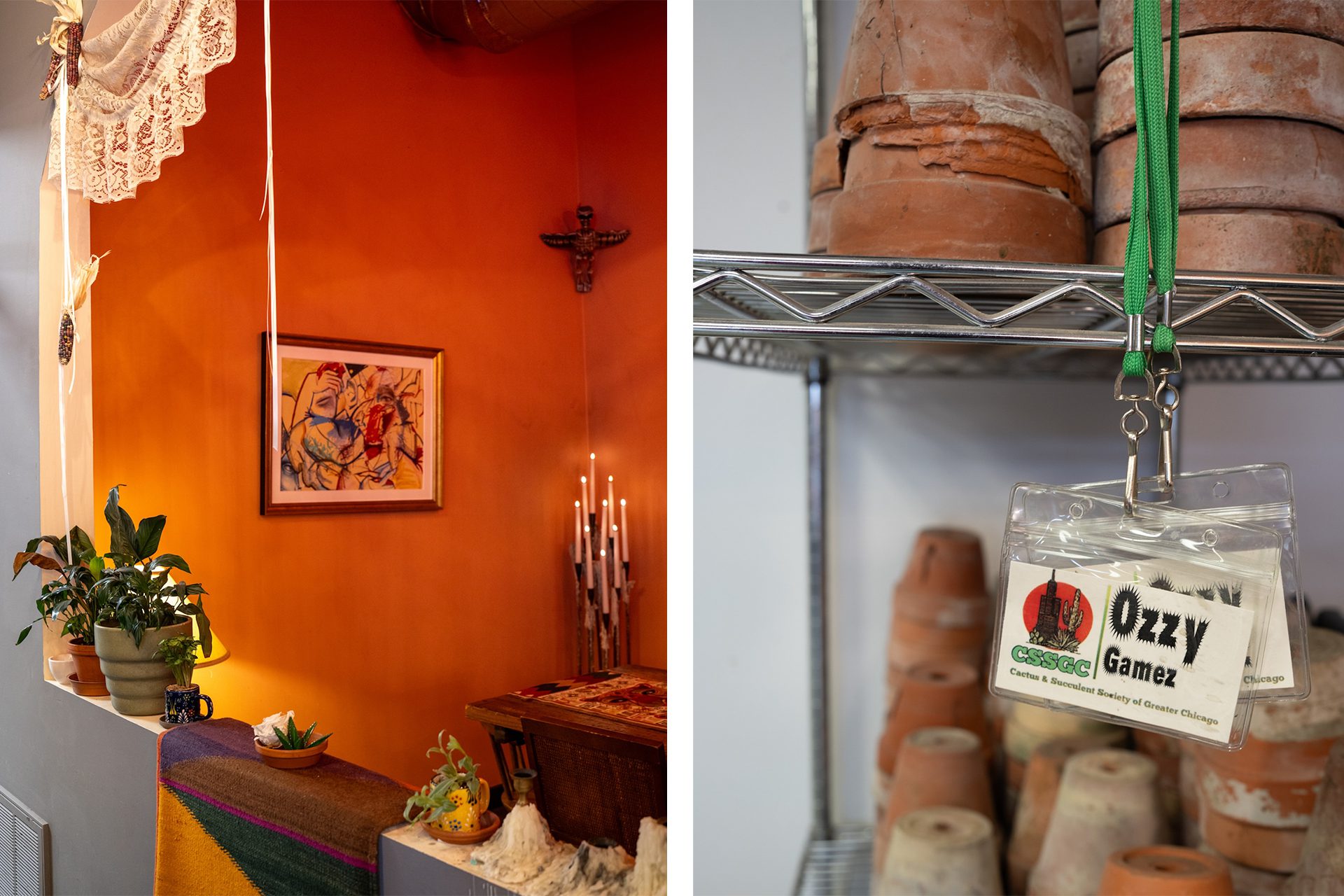
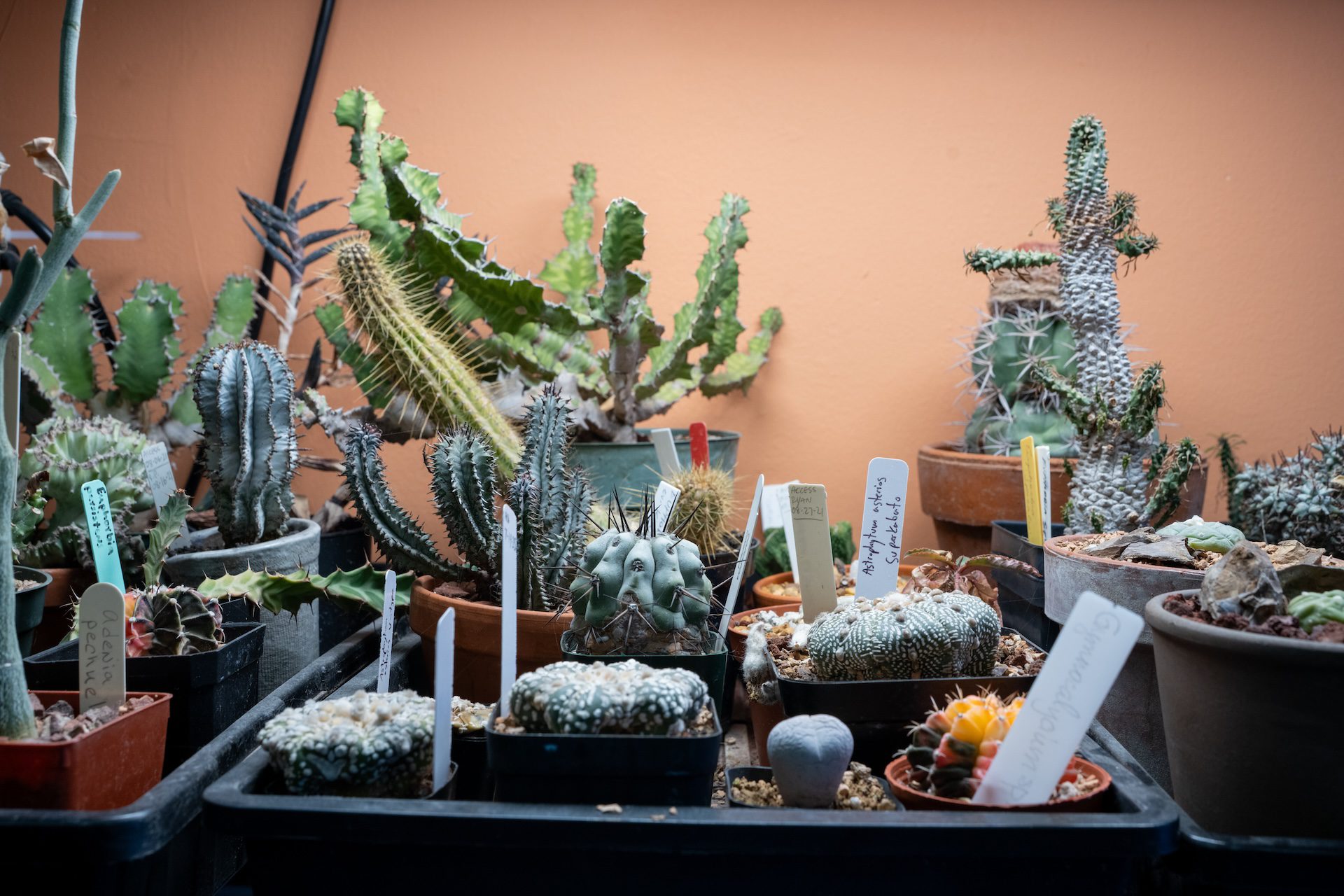
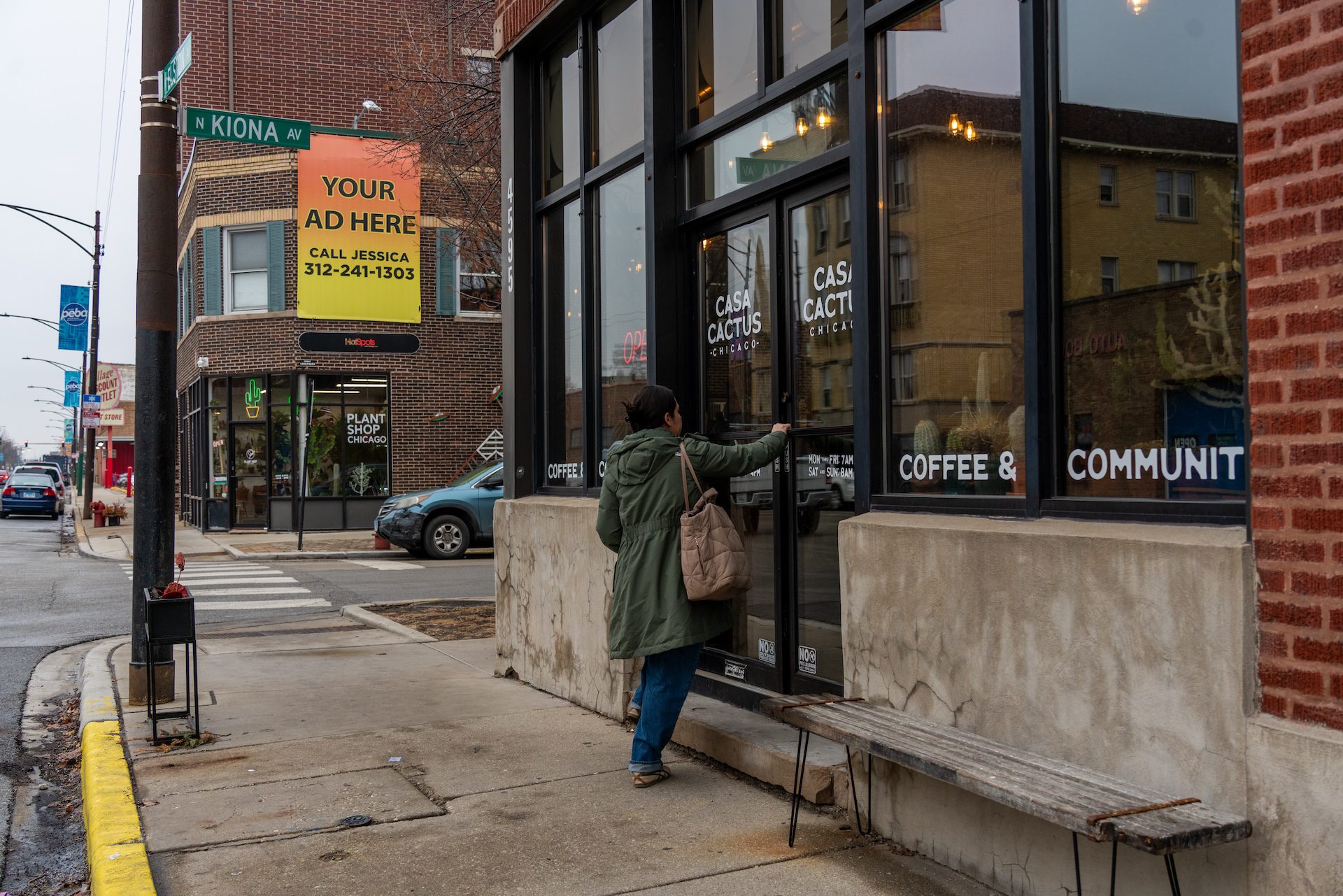
Midway Blitz también nos dio la oportunidad de actuar como espacio comunitario. Justo cuando comenzaron a celebrarse los eventos de Whistlemania , organizamos uno aquí y estaba abarrotado. El evento se sentía como estar en casa de un pariente en un día festivo, cuando no hay sitio para todos y todo el mundo se sienta donde puede.
Las personas del vecindario que gozaba de algún privilegio y no era necesariamente objetivo del ICE se presentaban con mayor frecuencia. Era algo tácito. Hubo momentos en los que parecía que se presentaban en Casa Cactus sólo para estar aquí en caso de que algo le sucediera al personal o a mí, para poder decir algo. Recibimos mucho apoyo porque el vecindario sabe que somos de propietarios latinos. Creo que la gente quería mostrar su solidaridad y apoyo.
En el momento álgido de la represión migratoria, había mucha gente dispuesta a ayudar y a organizar. Fue una gran satisfacción ver que se sentían cómodos acudiendo a nosotros sin la duda de no saber cuál era nuestra postura en el debate sobre la inmigración.
Camilla Forte es becaria de CatchLight y miembro del cuerpo Report for America que cubre las comunidades inmigrantes para Borderless Magazine. Se puede contactar con ella en [email protected].
Este historia se ha realizado siguiendo el método colaborativo de Borderless Magazine. Para saber cómo creamos historias como ésta, consulta nuestra visual a la vista explicador.