 Camilla Forte para Borderless Magazine
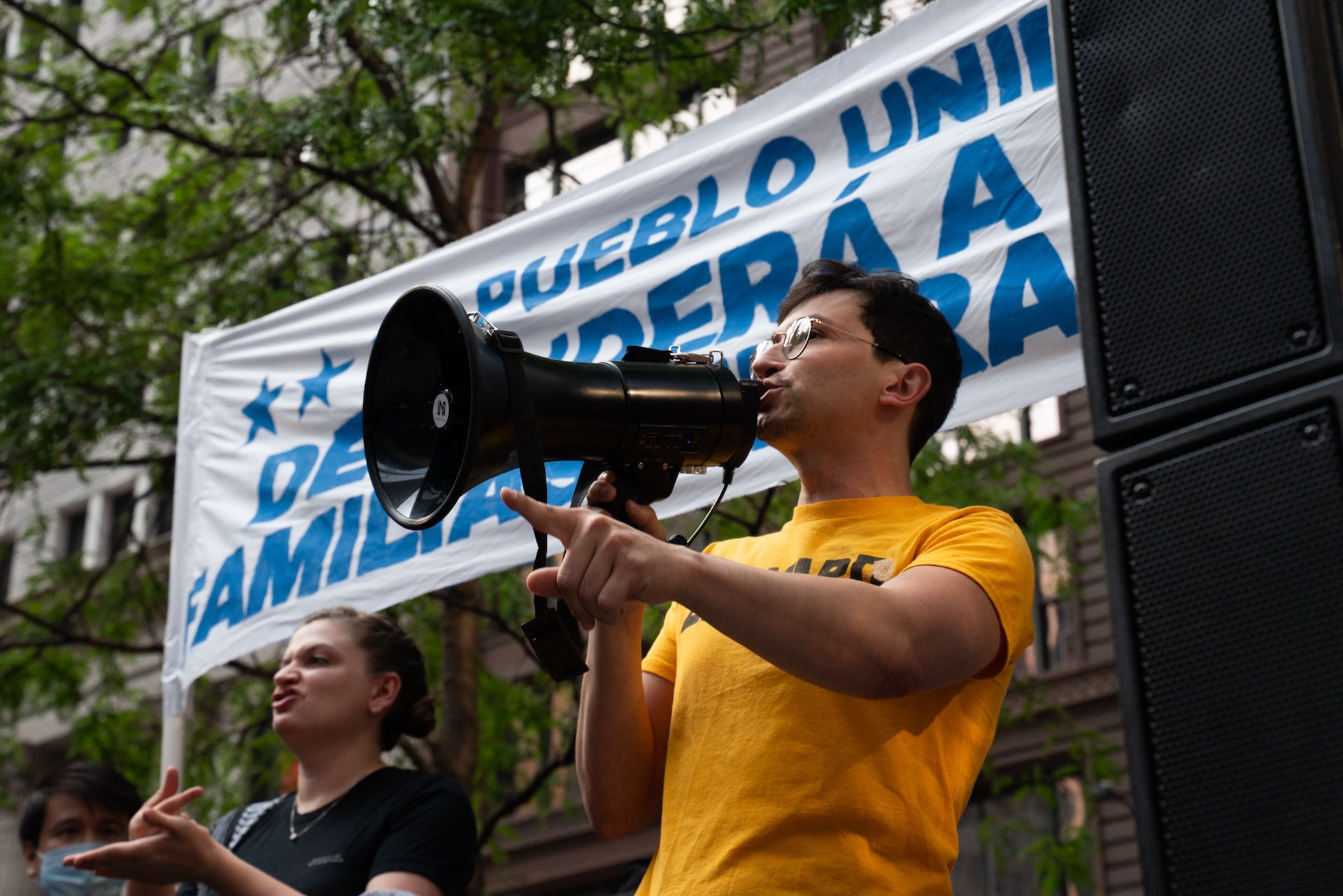
Los organizadores dicen que su labor ayuda a que sus vecinos se sientan empoderados al conocer sus derechos en medio de la actividad del ICE. Dicen que más miembros de la comunidad se han unido desde que Trump asumió el cargo.
En el año transcurrido desde que el presidente Donald Trump asumió su segundo mandato, dos personas han sido tiroteadas y asesinadas por agentes del Servicio de Inmigración y Control de Aduanas (ICE, por sus siglas en inglés) que se encontraban de servicio, y al menos 15 personas han fallecido bajo custodia del ICE, según datos públicos de la agencia.
Esa cifra no incluye al menos una docena de otras muertes registradas por medios como NPR y el Guardian. Estas publicaciones han informado que 2025 fue el año más mortífero para ICE en las últimas dos décadas.
"Se han vuelto mucho más brutales," dijo Diego Morales, un organizador de respuesta rápida de Pilsen Unidos por Nuestro Orgullo (PUÑO), "Han abandonado cualquier pretensión de respetar la ley, y los riesgos para todos los involucrados se han vuelto cada vez mayores."
Noticias que ponen el poder en el punto de mira y a las comunidades en el centro.
Suscríbase a nuestro boletín gratuito y reciba actualizaciones dos veces por semana.
Muertes en detención y en las calles son solo una parte del historial agresivo y letal de la administración durante el primer año de Trump en el cargo. Trump también ha realizado amplios cambios en la ley federal de inmigración a través de órdenes ejecutivas, ha promulgado políticas fronterizas estrictas, ha amenazado con desplegar la Guardia Nacional en ciudades demócratas de todo el país, ha revocado los estatus legales de inmigrantes y ha remitido a miles de inmigrantes a detención.
En respuesta, los habitantes de Chicago han reforzado su red de grupos de ayuda mutua y equipos de respuesta rápida. Estos sistemas de apoyo dirigidos por voluntarios trabajan para proteger a las comunidades inmigrantes documentando la actividad federal e informando a los vecinos sobre sus derechos.
Desde talleres hasta protestas, políticos, activistas y civiles se han movilizado en Chicago y los suburbios circundantes para denunciar las políticas de inmigración de Trump.
Los miembros de la comunidad se han estado organizando como parte de grupos de respuesta rápida que rastrean la actividad del ICE — haciendo sonar silbatos para alertar a los vecinos sobre la presencia de agentes federales desde Lakeview hasta Little Village. En octubre, para el "Día sin Reyes," cientos de miles de personas tomaron las calles en todo el país para protestar contra Trump, incluyendo en Illinois.
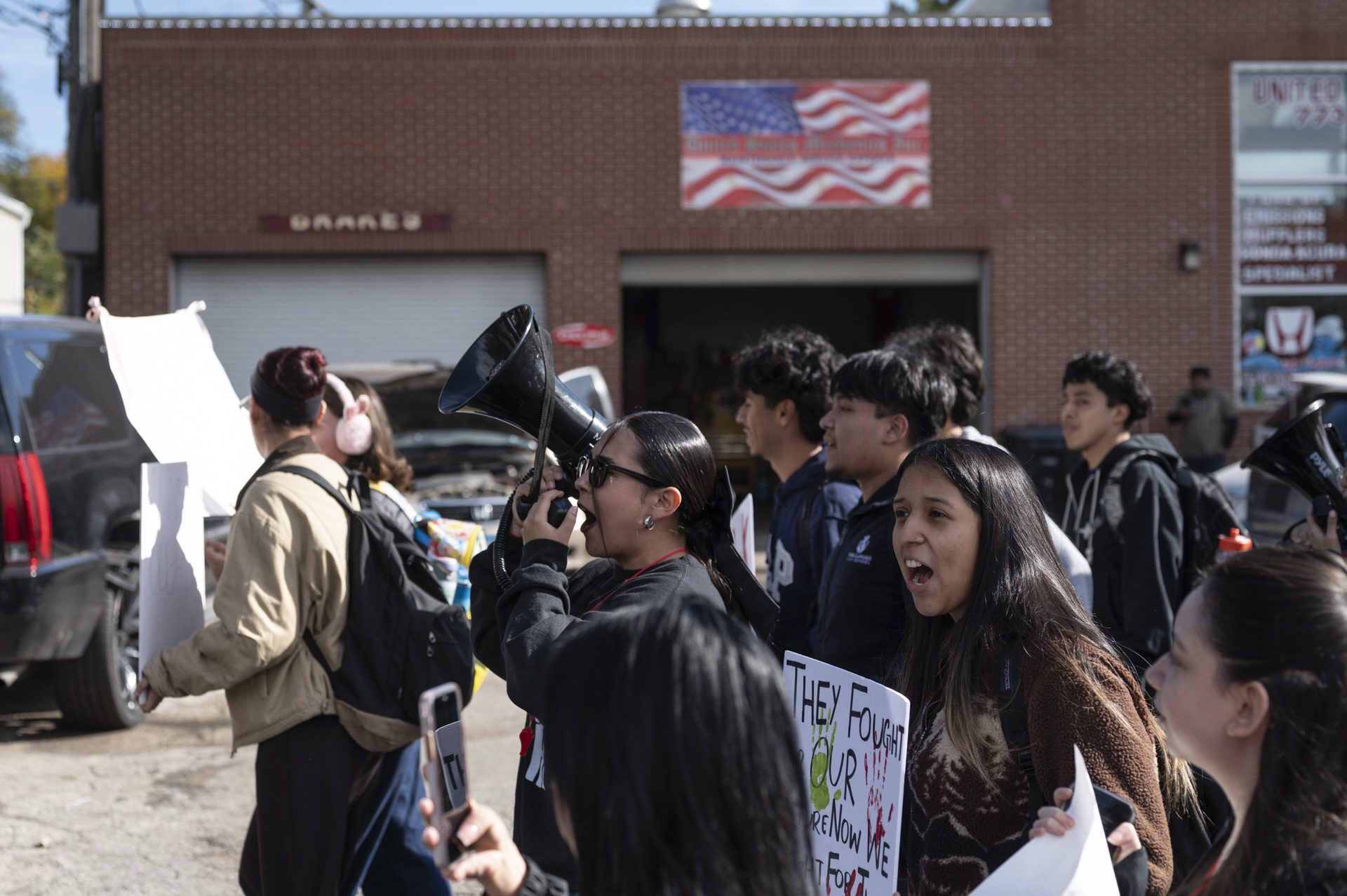
"El gobierno federal no está haciendo esto a escondidas. Lo están haciendo abiertamente, a la vista del público y sin remordimientos," dijo Marièn Casillas Pabellón, directora ejecutiva del West Suburban Action Project, o PASO. "La gente puede ver el daño que causa y el trauma que causa a largo plazo... incluso si no se ven directamente afectados."
Organizadores como Pabellón y Morales dicen que han visto a más miembros de la comunidad movilizados por las acciones de la administración Trump, uniéndose a organizaciones como las suyas para brindar respuesta rápida u otras formas de apoyo comunitario a los individuos afectados.
Mientras los habitantes de Chicago se enfrentan a los próximos tres años bajo una administración empeñada en mantener a los inmigrantes de la ciudad y los suburbios en el punto de la mira, los organizadores dicen que el trabajo para apoyar a los inmigrantes continúa.
“El riesgo está ahí, y no ha disminuido,” dijo Pabellón. “Produce un nivel de ansiedad… pero no es superado por tu necesidad de hacer el bien.”
Borderless compiló esta guía de grupos de respuesta rápida, fondos de ayuda mutua y otras organizaciones en Chicago y sus suburbios circundantes que brindan apoyo a los inmigrantes afectados por las medidas de control migratorio del gobierno federal.
Si tienes alguna sugerencia sobre un grupo o fondo para añadir a esta guía, puedes informarnos escribiendo a [email protected].
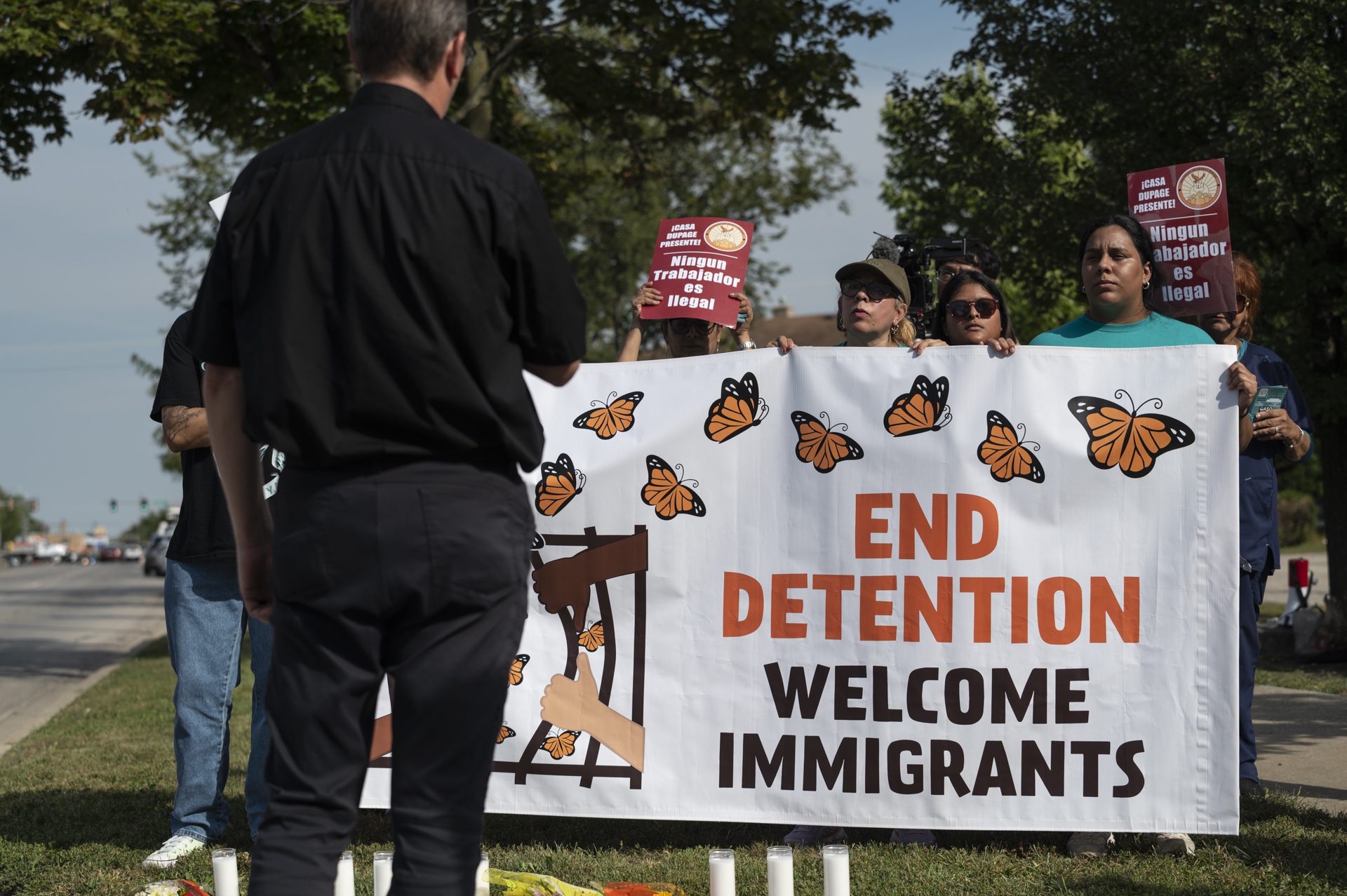
Organizaciones de Apoyo a Inmigrantes
- Illinois Coalition for Immigrant and Refugee Rights (ICIRR, por sus siglas en inglés) y Organized Communities Against Deportations (OCAD, por sus siglas en inglés) supervisan una red estatal de organizaciones de respuesta rápida que verifican y documentan la actividad del ICE y brindan apoyo a inmigrantes detenidos.
- ICIRR también tiene un programa de "Vigilancia Judicial" donde voluntarios asisten a audiencias para apoyar a inmigrantes detenidos. Los voluntarios interesados pueden enviar un correo electrónico a [email protected].
- La National Immigrant Justice Center (NIJC, por sus siglas en inglés) brinda apoyo legal y asistencia gratuita en materia de inmigración a personas que han sido detenidas. Si hablas un idioma distinto del inglés, puedes ofrecerte como voluntario para prestar servicios de traducción y servicios de apoyo para casos de inmigración que NIJC está apoyando.
Grupos de Respuesta Rápida:
Pilsen Unidos por Ñuestro Orgullo organizará una capacitación de respuesta rápida, también conocida como Migrawatch, el 27 de enero a las 6 p.m. Para más detalles e información sobre cómo participar, visite su página de Instagram.
ICIRR también organiza capacitaciones semanales en línea de Migrawatch en inglés y español todos los miércoles a las 6 p. m. Más detalles aquí.
Otros grupos locales de respuesta rápida que verifican, documentan y alertan a las comunidades sobre la actividad migratoria incluyen:
- Aurora Rapid Response Team
- Berwyn-Cicero Rapid Response Network
- Chicago Far South Side Rapid Response
- Chinatown-Bridgeport-South Loop Rapid Response Team (El correo electrónico es [email protected])
- DeKalb Area Rapid Response Team
- Immigrant Solidarity DuPage
- Kenwood-Hyde Park-Woodlawn Rapid Response Team
- La Villita Se Defiende
- Northside Lakefront Rapid Response Team (Uptown, Edgewater, Lakeview y Lincoln Park)
- Northwest Side Rapid Response Team
- PASO, o el West Suburban Action Project, lleva a cabo talleres de Conoce Tus Derechos, respuesta rápida y capacitaciones para personal de respuesta rápida que busca apoyar a los suburbios del área de Chicago como Cicero, Berwyn, Melrose Park y otros.
- Protect Rogers Park
- Southeast Side Rapid Response Team
- Southland Rapid Response Team (Blue Island, Crestwood, Alsip)
- Southwest Rapid Response
Los organizadores recomiendan asistir a una capacitación antes de unirte a un equipo de respuesta rápida para asegurarte de que conozcas tus derechos y cómo documentar la actividad de inmigración federal.
Fondos de Ayuda Mutua:
Organized Communities Against Deportations (OCAD, por sus siglas en inglés) mantiene un fondo de ayuda mutua para apoyar a inmigrantes y familias afectadas por las redadas del ICE, ofreciendo asistencia de alquiler, ayuda con comestibles y otros servicios esenciales.
The Midwest Immigration Bond Fund (MIBF, por sus siglas en inglés) ayuda a los inmigrantes detenidos en Illinois, Indiana, Minnesota, Wisconsin y Kentucky a salir de detención pagando su fianza. Aceptan donaciones a su fondo de fianzas aquí.
Aprende Más a Través de Guías de Borderless:
¿Buscas aprender más sobre la corte de inmigración o empoderar a tus vecinos inmigrantes con conocimiento sobre sus derechos? Consulta estas guías y explicaciones de Borderless sobre ICE, tus derechos y más.
Conoce Tus Derechos:
- Lo que las comunidades de inmigrantes deben saber sobre sus derechos
- ¿Qué Pueden Hacer los Pequeños Negocios de Chicago si el ICE Está en Su Puerta?
- ¿Qué derechos tienen inquilinos y propietarios frente al ICE?
Para Inmigrantes:
- Qué saber sobre los procedimientos de deportación
- Abogados de inmigración comparten consejos para buscar asistencia legal en tiempos de incertidumbre
Para Manifestantes:
Aclaración 1/21/26: Este artículo se ha actualizado para aclarar el nombre del Chinatown-Bridgeport-South Loop Rapid Response Team.
Katrina Pham es la reportera de participación de la audiencia de Borderless Magazine. Envía un correo electrónico a Katrina a [email protected].