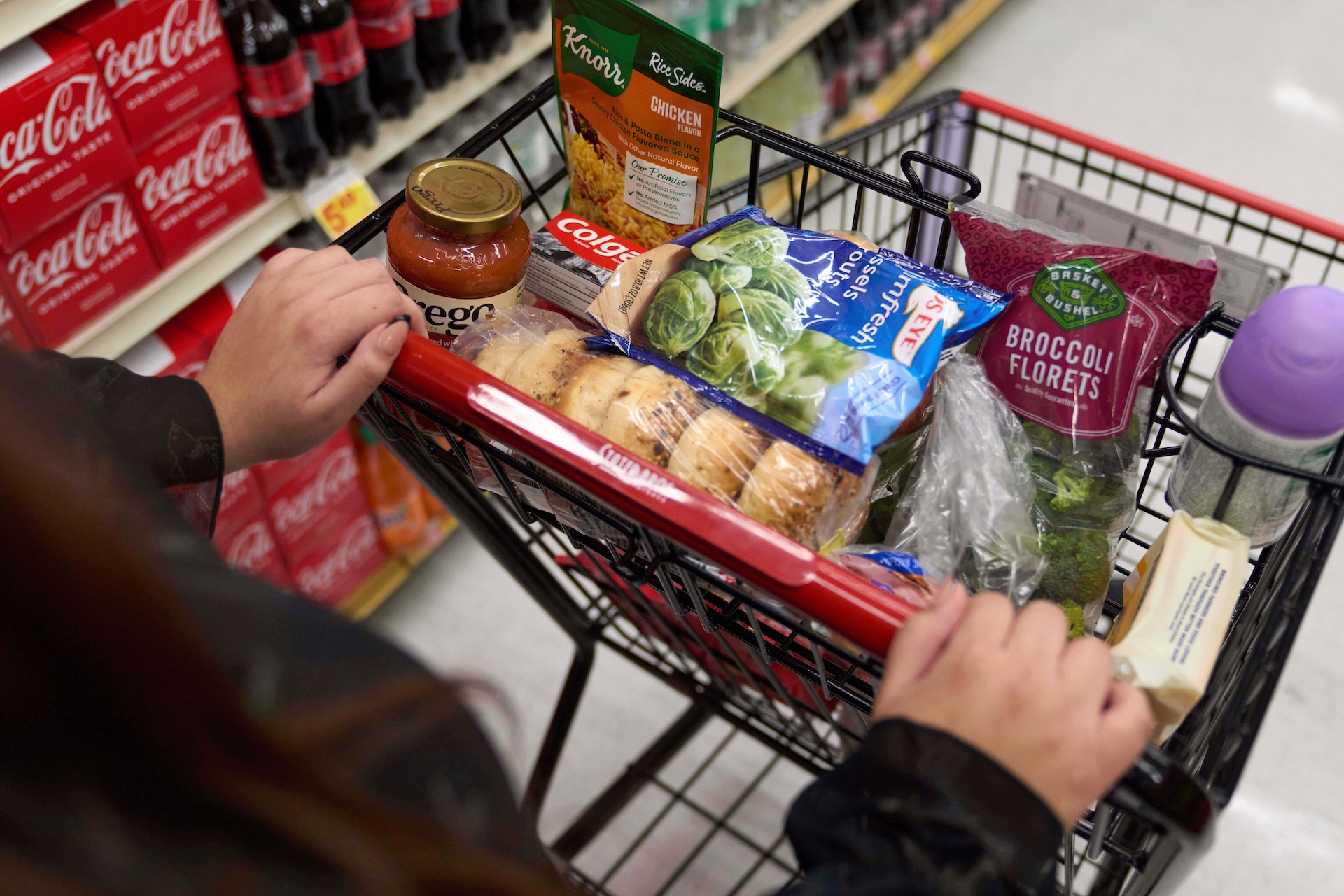
 AP Photo/Allison Dinner, File
Federal changes stemming from the One Big Beautiful bill will take effect on April 1 and cut off food assistance for thousands of immigrants.
Thousands of refugees and immigrants in Illinois are about to lose access to federal food assistance due to new Supplemental Nutrition Assistance Program (SNAP) eligibility rules that take effect on April 1.
The latest restrictions, which limit some immigrants’ access to SNAP, are the result of President Donald Trump’s One Big Beautiful Bill Act, a massive spending package that Congress passed in July 2025. In February, hundreds of thousands of people were affected by expanded work requirements for SNAP recipients.
SNAP, a federally funded food benefits program for low-income families, served nearly 42 million participants last year, according to the U.S. Department of Agriculture (USDA), which administers the program. Roughly 2 million Illinoisans benefited from the program last year.
News that puts power under the spotlight and communities at the center.
Sign up for our free newsletter and get updates twice a week.
Borderless Magazine breaks down what to know about these changes and where to find additional help.
What are the new SNAP changes going into effect on April 1?
Most humanitarian visa holders will lose eligibility, while green card holders and certain immigrants remain eligible. Undocumented noncitizens were never eligible for SNAP.
For current SNAP beneficiaries, the eligibility change will be applied at their next eligibility reassessment, effective on or after April 1.
After April 1, only the following immigration statuses will be eligible:
- Cubans and Haitians who entered the U.S. on or after April 21, 1980
- Individuals lawfully residing in the U.S. under the Compacts of Free Association (COFA)
- Lawful permanent residents (green card holders) over the age of 18 who have been in the U.S. for five years or more
- Legal permanent residents who have had legal status for less than 5 years, if:
- They are under 18 years old
- They are blind or disabled
- They are a U.S. veteran or active-duty member or their dependent
- They have been credited with 40 qualifying quarters of work history
- They qualify for an exception under the Personal Responsibility and Work Opportunity Reconciliation Act
More details about the eligibility changes are available on the IDHS website.
Who will be impacted?
Refugees, asylees, certain victims of human trafficking and certain victims of violence and torture are no longer eligible for SNAP benefits after April 1.
Across the country, up to 250,000 refugees and other humanitarian visa holders could soon lose food stamp benefits as new eligibility requirements take effect, according to an estimate from HIAS, an international refugee agency.
In Illinois, approximately 14,000 legally present immigrants are at risk of losing their SNAP benefits due to eligibility changes, according to IDHS.
Where to find help
For those losing benefits, local organizations and government agencies have stepped in to fill the gap. Borderless compiled a list of neighborhood food pantries, mutual aid groups and local community organizations that offer free groceries by ZIP code.
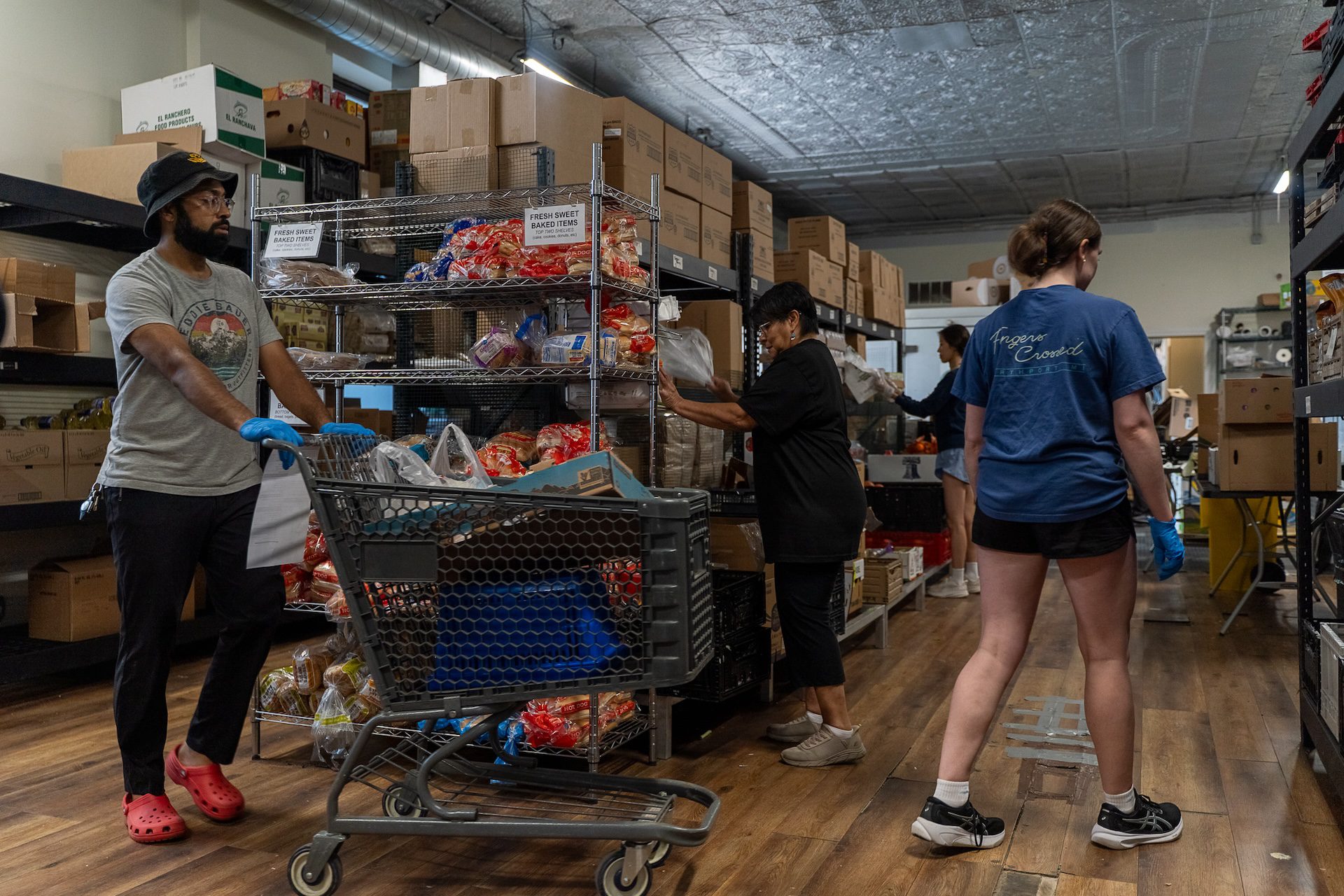
At the city level, Mayor Brandon Johnson signed an executive order in November directing city resources towards food access programs to respond to changes in SNAP benefits eligibility.
Cook County Health has a website offering resources for people with health issues who are facing food insecurity. Two pantries are available for patients at the Cook County Health Belmont Cragin Health Center and Provident Hospital of Cook County, with a third opening soon at the Cook County Health Robbins Health Center.
“We’ve enhanced work that we had already begun,” said Shannon Andrews, chief equity and inclusion officer at Cook County Health. “This was work that was important and near and dear to our hearts prior to this change.”
Food assistance for impacted individuals is available at local food pantries. To find a food pantry near you, visit WeGotYouIllinois.org/find-food.
IDHS has a list of other resources and free food programs for individuals in need of food assistance.
Aydali Campa is a Report for America corps member and covers environmental justice and immigrant communities for Borderless Magazine. Email Aydali at [email protected].