 Camilla Forte/Borderless Magazine/Catchlight Local/Report for America
Some consulates invest fewer resources into supporting nationals in the U.S., leaving some immigrants feeling unsupported as they face an increasingly harsh immigration system.
On at least five separate occasions, April Lowe said she asked the Philippine Consulate General in Chicago to get an independent medical evaluation for her mother.
Lowe said her mother, 70-year-old Rebecca Pinyerd, was held in immigration detention for more than nine months in facilities in Georgia, Kentucky and Indiana before she was deported to the Philippines in January.
During that time, Pinyerd, a green card holder, went months without consistent access to her blood pressure, thyroid and kidney medications, according to Lowe. This, she said, led to health complications and potential signs of kidney disease.
News that puts power under the spotlight and communities at the center.
Sign up for our free newsletter and get updates twice a week.
Lowe said the consulate eventually got Pinyerd her medication, but not an independent medical evaluation to ensure she could safely make the 19-hour flight back to the Philippines.
“She’s a medical flight risk,” Lowe said. “I’d been asking for the [medical examination] records before Christmas, and I never got them.”
As the Trump administration arrests and detains a record number of noncitizens with and without legal status, many immigrants like Rebecca Pinyerd and their loved ones are relying on Chicago’s consulates to help those in detention.
Consulates can conduct welfare checks on immigrants in detention and can play an important role in supporting a country’s nationals abroad, according to Katie Tobin, a faculty advisor at the University of Chicago who worked on migration policy in the White House under the Biden administration.
However, the level of support available varies by consulate, leaving some seeking help feeling trapped or hopeless.
“It’s like we’re talking for no reason,” Lowe said.
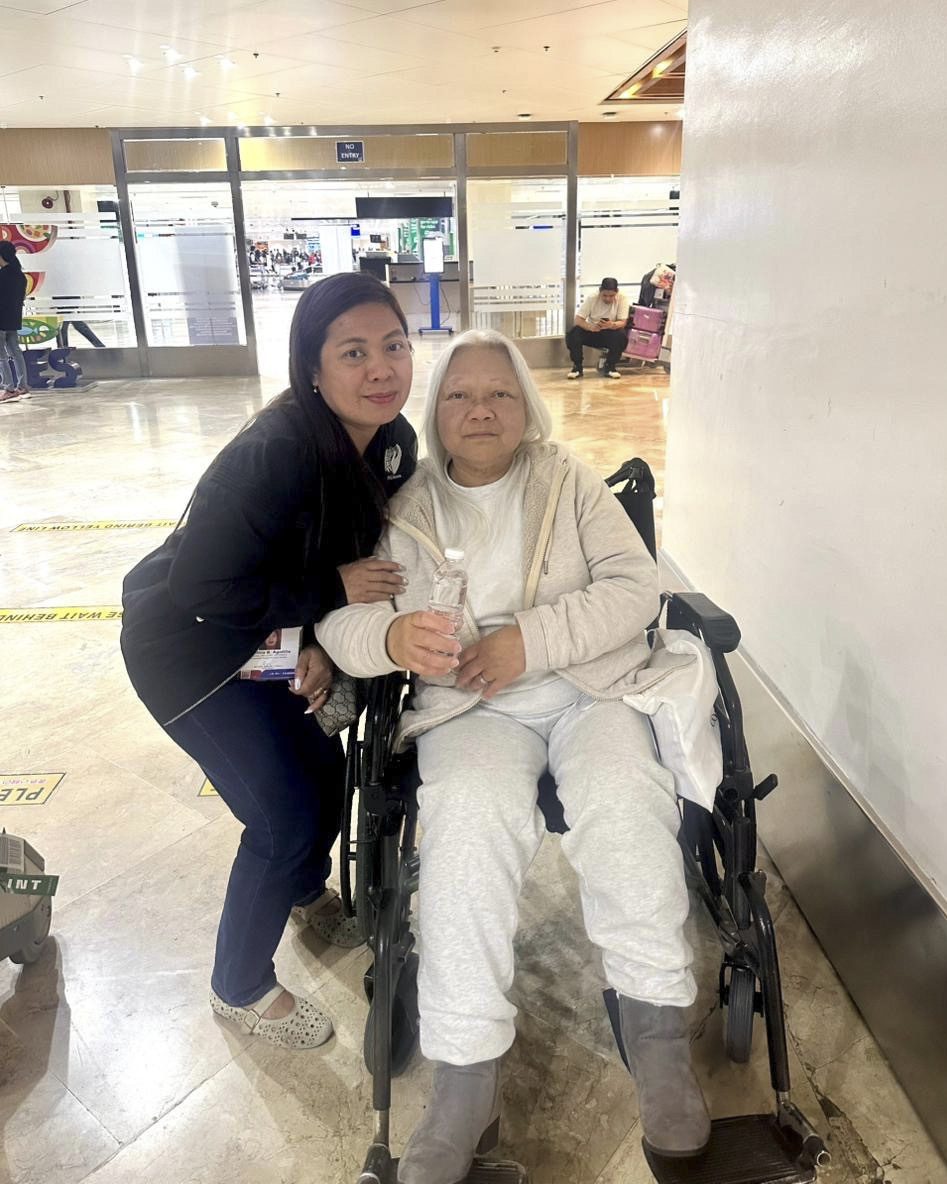
In an email statement, the Philippine consulate stated it does not conduct medical evaluations separate from Immigration and Customs Enforcement (ICE).
“The Consulate General consistently made representations with ICE-Chicago concerning [Pinyerd’s] repatriation, medical needs, and other concerns, including ensuring a medical evaluation [from ICE] prior to her flight,” the statement said.
Consulates are places where foreign nationals can get documents such as passports or birth certificates from their home country if they’re misplaced or required for an immigration proceeding. Another function of consulates is their ability to support detained immigrants, Tobin said.
“Sometimes when the press or even lawyers don’t have access [to a detention center], usually the consulates do,” she said.
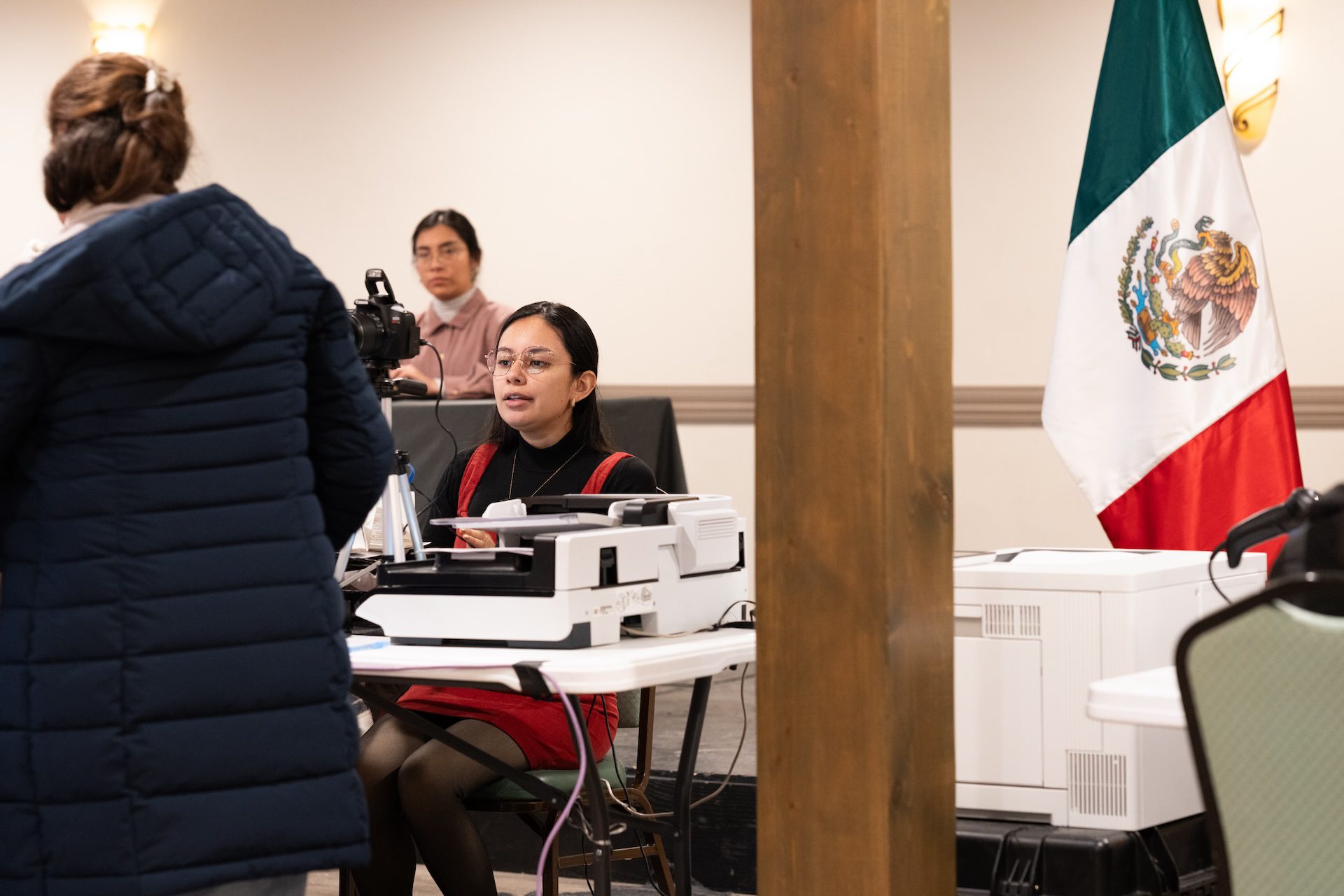
The Consulate General of Mexico in Chicago, for example, has been able to visit the ICE processing facility in Broadview to speak with people detained there about the center’s conditions.

The processing center has been notoriously difficult for elected officials, lawyers, family members, clergy and others to enter since the start of President Donald Trump’s second term. Multiple Illinois members of the U.S. House of Representatives have said they were denied access to the building, and attorneys in a federal class action lawsuit against the facility say it has been “impossible” for detained immigrants to access counsel there.
People detained at the Broadview center have also testified in court about extreme crowding, overflowing toilets and exhaustion from sleeping in plastic chairs or the concrete floor.
In January, more than 70,000 immigrants were held in ICE facilities across the country, the highest it’s ever reached on public record in U.S. history, according to Austin Kocher, a Syracuse professor who tracks ICE data.
Under Trump, the number of deaths in ICE custody has also reached the highest it’s been in two decades, with at least 31 people dying in ICE custody last year, according to reporting from Axios.
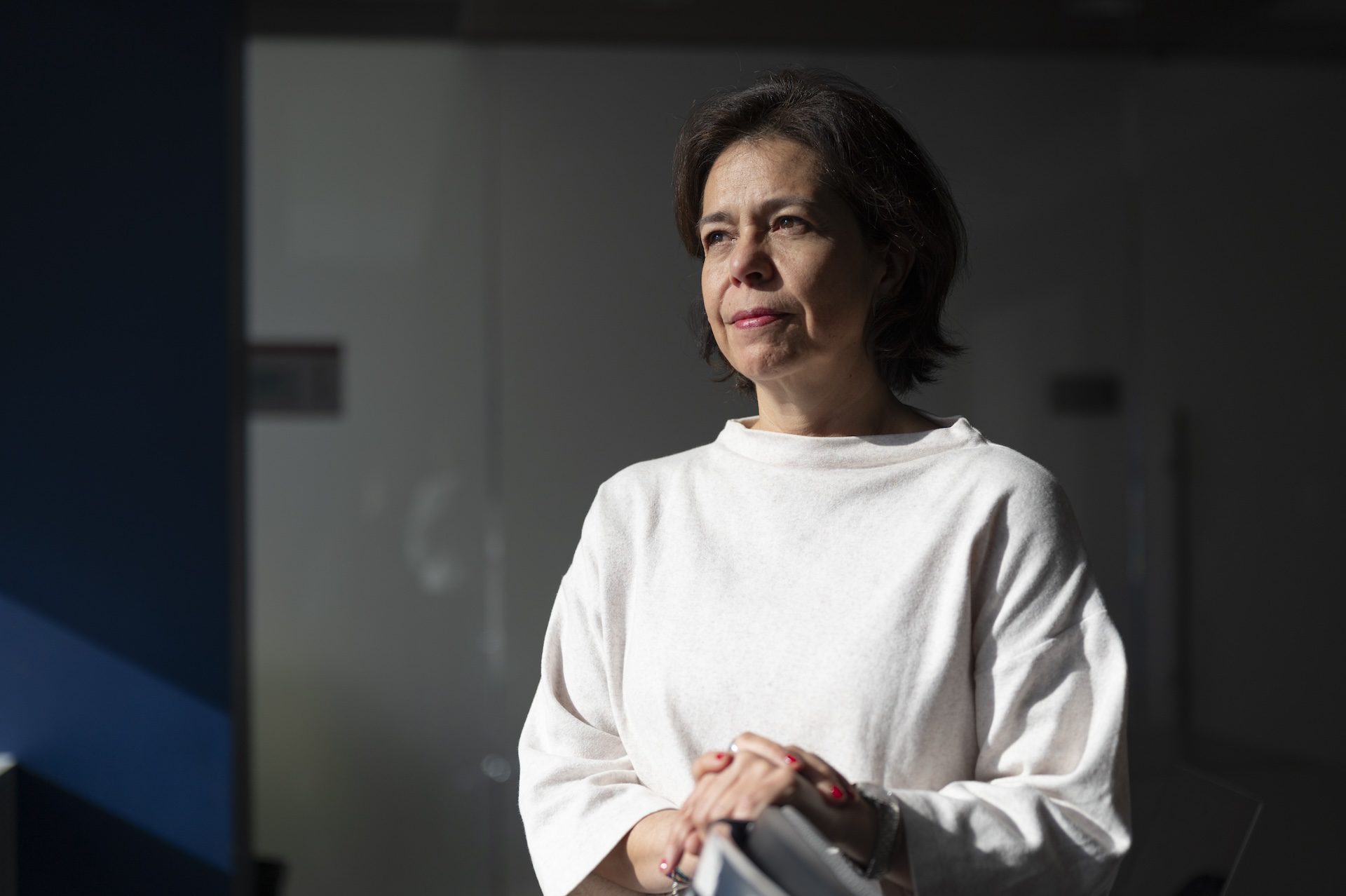
The Mexican consulate and others can — under the international Vienna Convention on Consular Relations — speak with detained individuals and advocate for necessities such as medication, according to Helena Olea, deputy director at Alianza Americas, a network of Latin American and immigrant-serving organizations.
“If I am detained in Chicago and I’m Mexican, and I talk to the consulate and I say I have high blood pressure … they are going to follow up, making sure that I receive the medication I need,” Olea said. “That means the person is not alone, advocating for herself.”
The Mexican consulate has a variety of services available to support Mexican immigrants and their families in the U.S., including their Consulado Sobre Ruedas, or Consulate on Wheels, program to provide consular services in the suburbs, initiatives connecting individuals to legal assistance, financial support for immigration detention bonds and a program to help those who have been deported transition into life in Mexico.
“There’s always gonna be the need to get assistance whenever you’re in a foreign country,” said Saúl Juárez, consul for protection and legal affairs for the Mexican consulate in Chicago.
That need for consular services has grown over the last year.
Demand for civil registry services from the Mexican consulate has more than doubled from 2024 to 2025, reaching over 9,600 cases last year, according to La Raza.
The Mexican consulate also has a 24/7 emergency hotline, the Centro de Información y Asistencia a Personas Mexicanas — or the Center for Information and Assistance for Mexicans — for people seeking help for loved ones detained by immigration agents. It has been active since 2013 and receives an average of more than 700 calls per day across the United States and Canada, the consulate shared.
“I think [these policies are] a response of this particular moment, with the increase in both the number of deportations, but also in the anti-immigrant rhetoric,” Olea said. “It’s a public policy response that [countries with significant migration flows] want to protect their nationals abroad.”
However, programs like those offered by the Mexican consulate are unavailable to other immigrant communities seeking support, like Lowe and her mother.
“There’s no sense of urgency or commitment to migrants or nationals — as far as Filipino nationals and migrants,” Lowe said.
The Philippine consulate said in an email that they coordinate with relevant U.S. authorities to conduct regular welfare checks, coordinate communication with families and provide assistance for basic needs.
“The Philippine Consulate General in Chicago extends appropriate assistance to Filipinos detained on immigration-related charges in the Midwest, while respecting U.S. laws as well as individual privacy,” the Philippine Consulate of Chicago said in an emailed statement.
Ultimately, the support each consulate provides is dependent on how much money and resources a country’s government wants to invest in its consulates, Tobin said.
“With Mexico, for instance, they have chosen to invest a lot in their consulates in the U.S., because they … have such a large diaspora in the United States,” Tobin said.
Ana Gil Garcia, founder of the Illinois Venezuelan Alliance, said the importance of having consular support is demonstrated by the Venezuelan community in Chicago, which has not had a consulate since it closed in 2019.
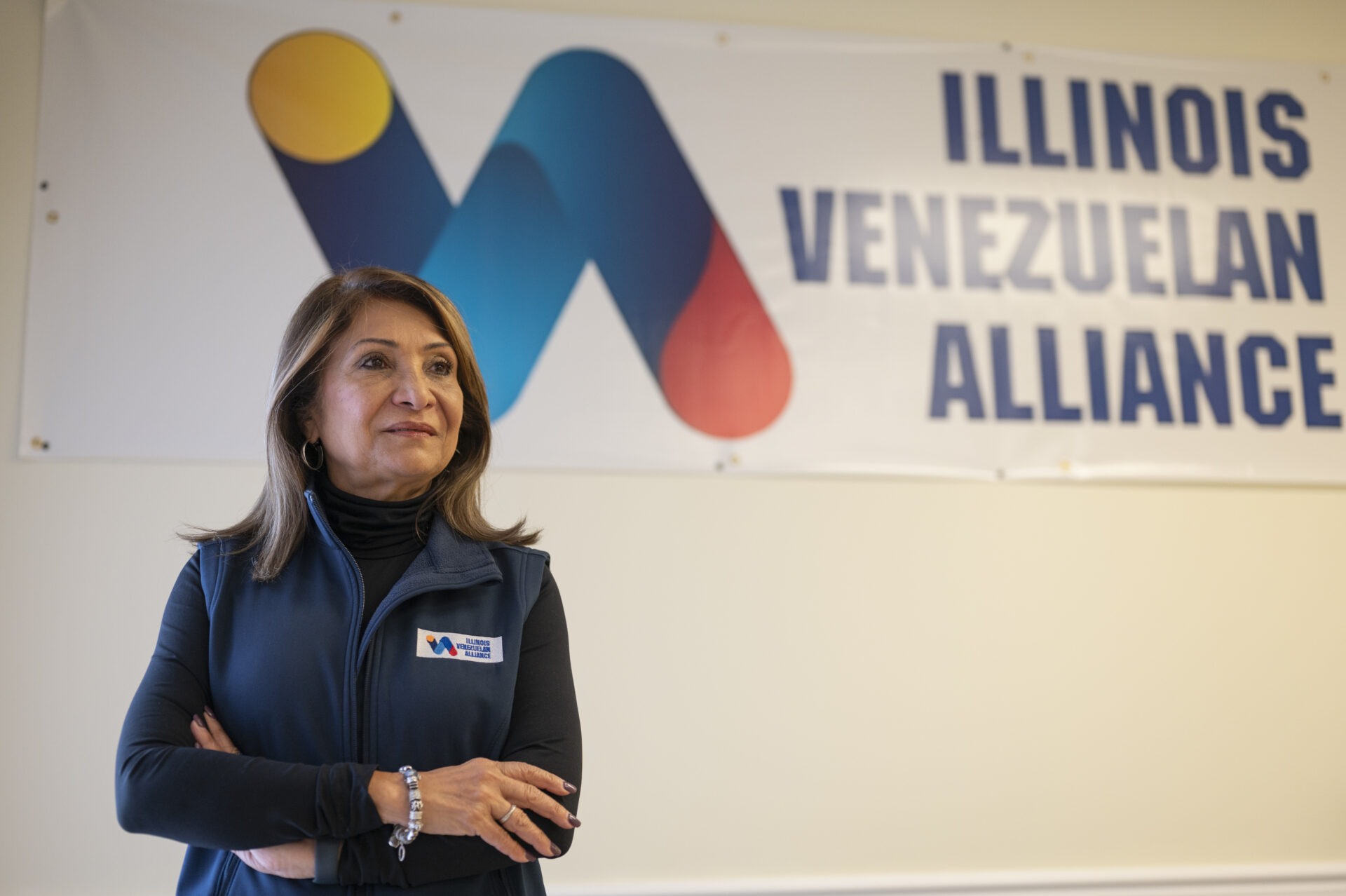
Many Venezuelans have since been unable to process papers and documentation or access consular support in detention, she said, leaving those who have been detained in places like Broadview without anyone to check on them.
“Instead of having any type of protection with the consulate, then we became … really unprotected diplomatically,” Garcia said.
Luis Guillermo, a former journalist from Venezuela, said the lack of support has left him stranded in Chicago.
“I don’t have country,” Guillermo said. “I don’t have help for nothing.”
Guillermo said he came to the U.S. in 2017 and is currently applying for asylum due to fear of being killed in Venezuela for his work as a journalist. His Venezuelan passport expired in 2021, and he said he has no means to renew it unless he returns to Venezuela.
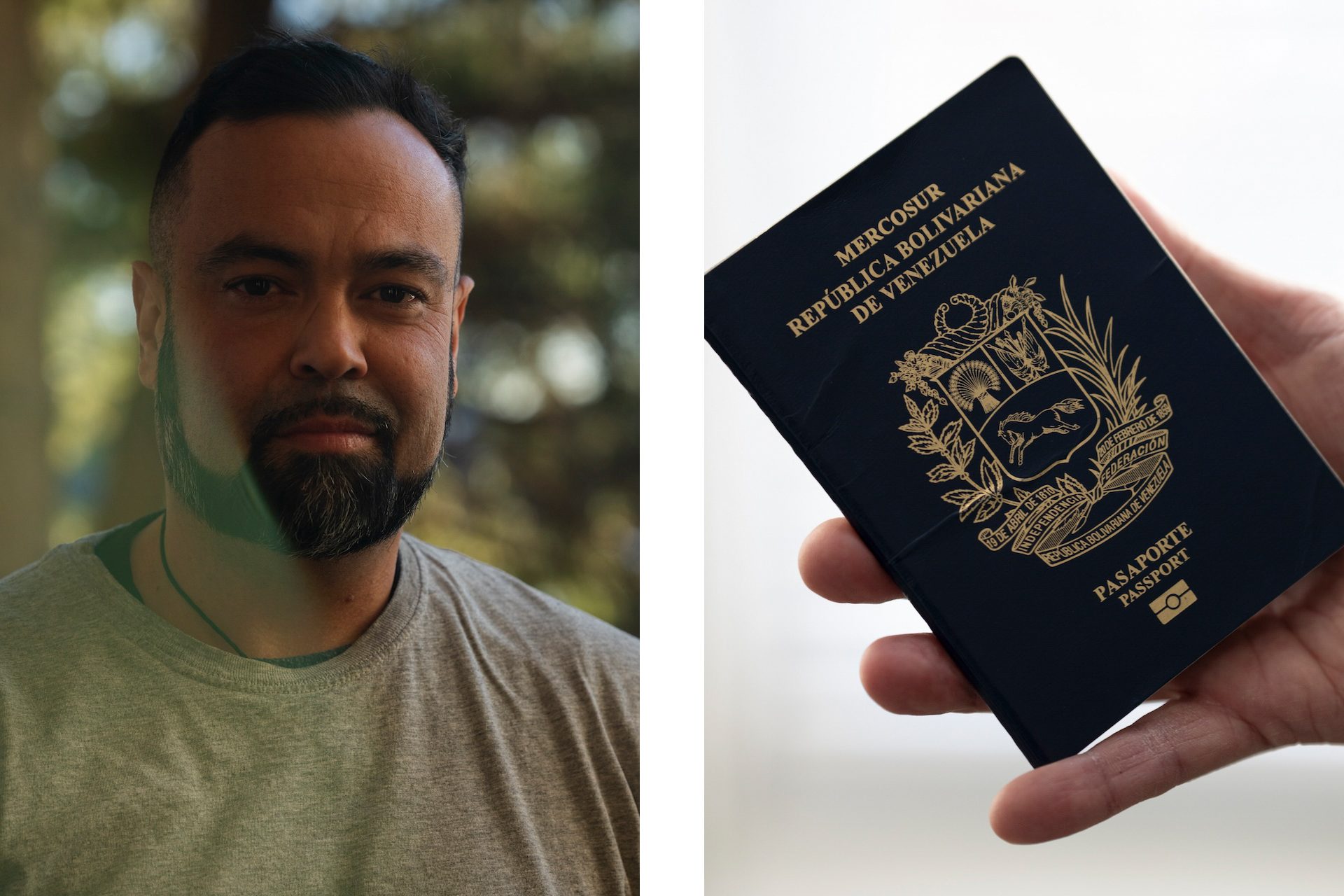
Without a passport, he said, it is difficult for him to travel or relocate, leaving him trapped in Chicago under the fear of ICE and deportation.
“I’ve seen on the news, and I have people who’ve told me, about things that have happened to people they know,” Guillermo said in Spanish. “ICE has captured them on the roads, coming into other cities, or other states, or even just at the airport. So I see myself having to just stay put here. It’s very frustrating.”
Clarification 2/17/26: This story has been updated to clarify that more than 70,000 immigrants were being detained in January. As of Feb. 7, the number decreased to roughly 68,000 immigrants in ICE detention.
Katrina Pham is Borderless Magazine’s audience engagement reporter. Email Katrina at [email protected].