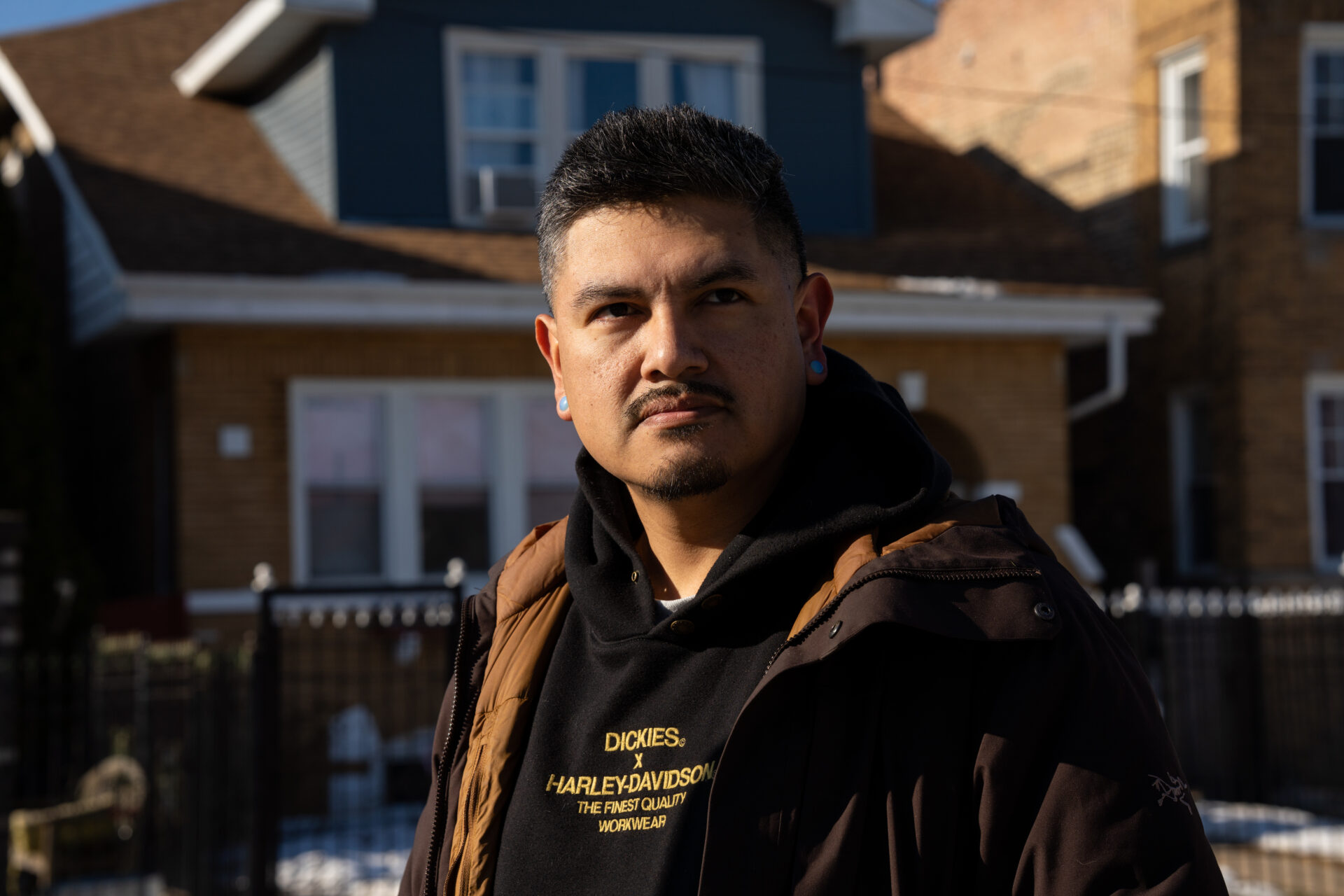
 Camilla Forte/Borderless Magazine/Catchlight Local/Report for America
When Operation Midway Blitz put a target on Latino-owned businesses, Ozzy Gámez refused to stay at home.
This story was supported by the Brave of Us campaign.
This story is a part of Six Months of Operation Midway Blitz, a look at how ICE’s enforcement actions have impacted Chicago’s immigrants, and what they’re doing to protect one another.
Ozzy Gámez became an entrepreneur because his immigration status made it difficult to find a job.
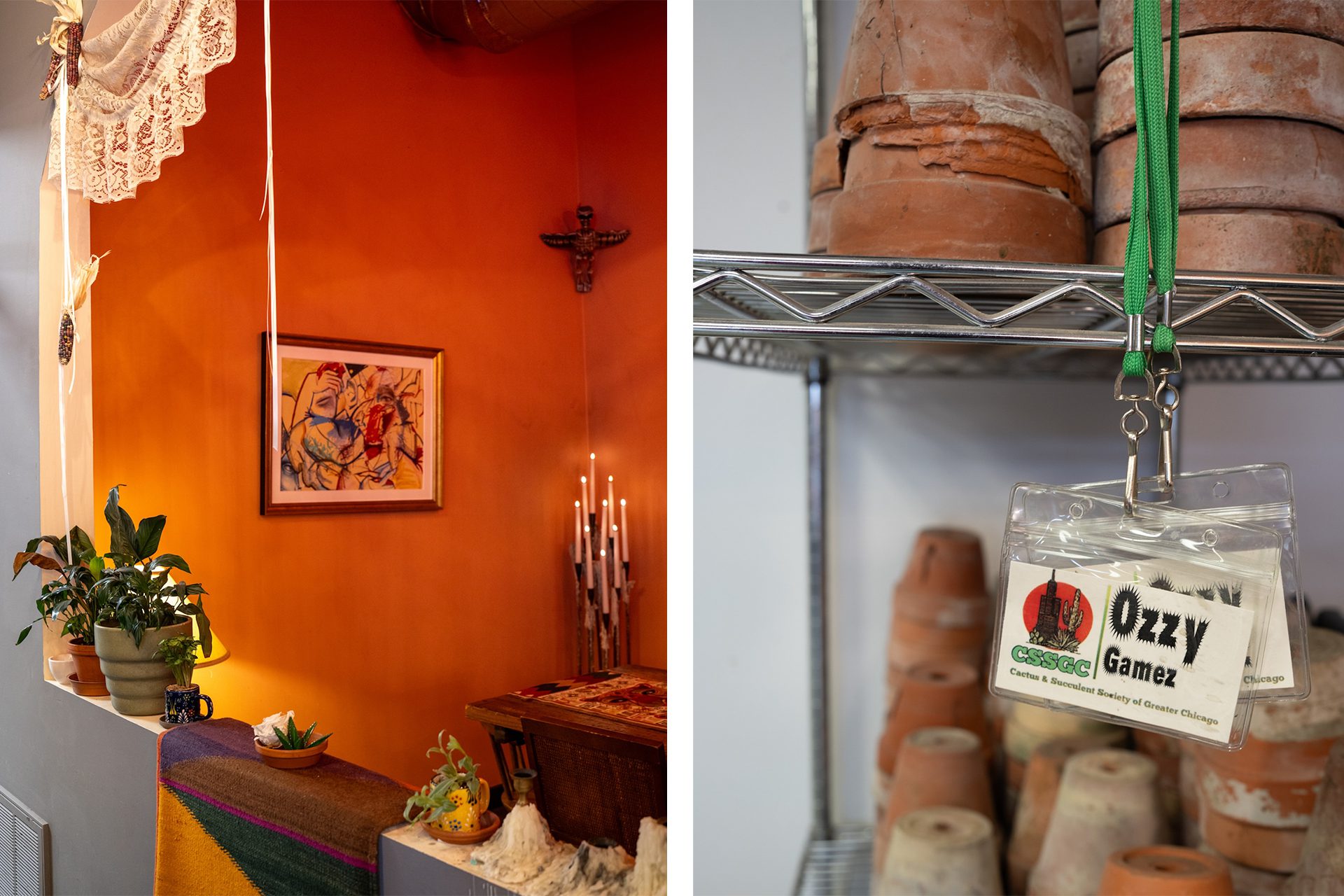
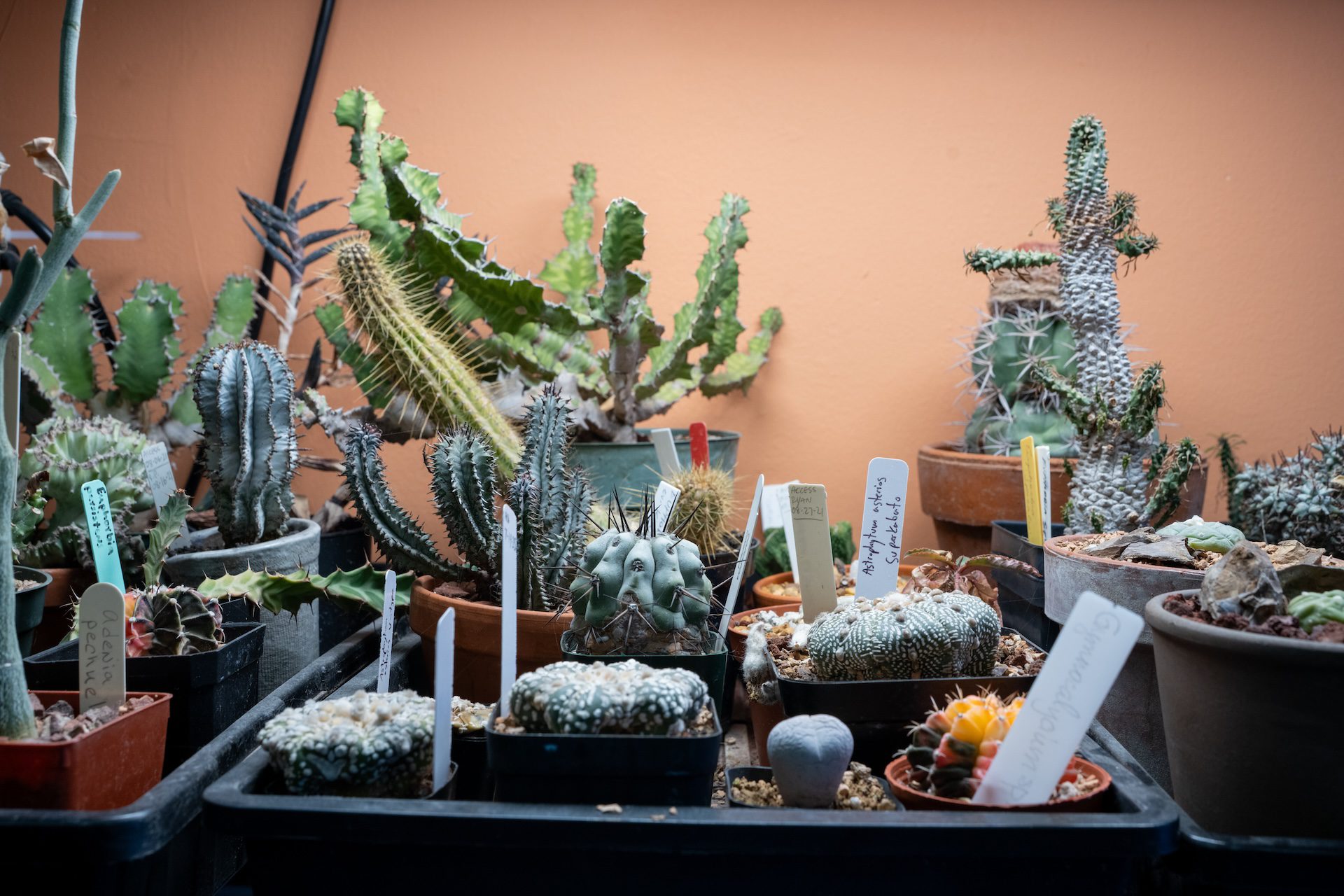
The Central American immigrant opened his first store, Plant Shop Chicago, with his business partner Frank Quezada on the North Side of Chicago in 2018. Just five years into running the shop, Gámez and Quezada saw an opportunity for a second business.
“Something that we were regularly asked in the plant shop was: ‘Where is the closest coffee shop?’ And that sparked an idea. Maybe there should be something close by,” Gámez told Borderless.
News that puts power under the spotlight and communities at the center.
Sign up for our free newsletter and get updates twice a week.
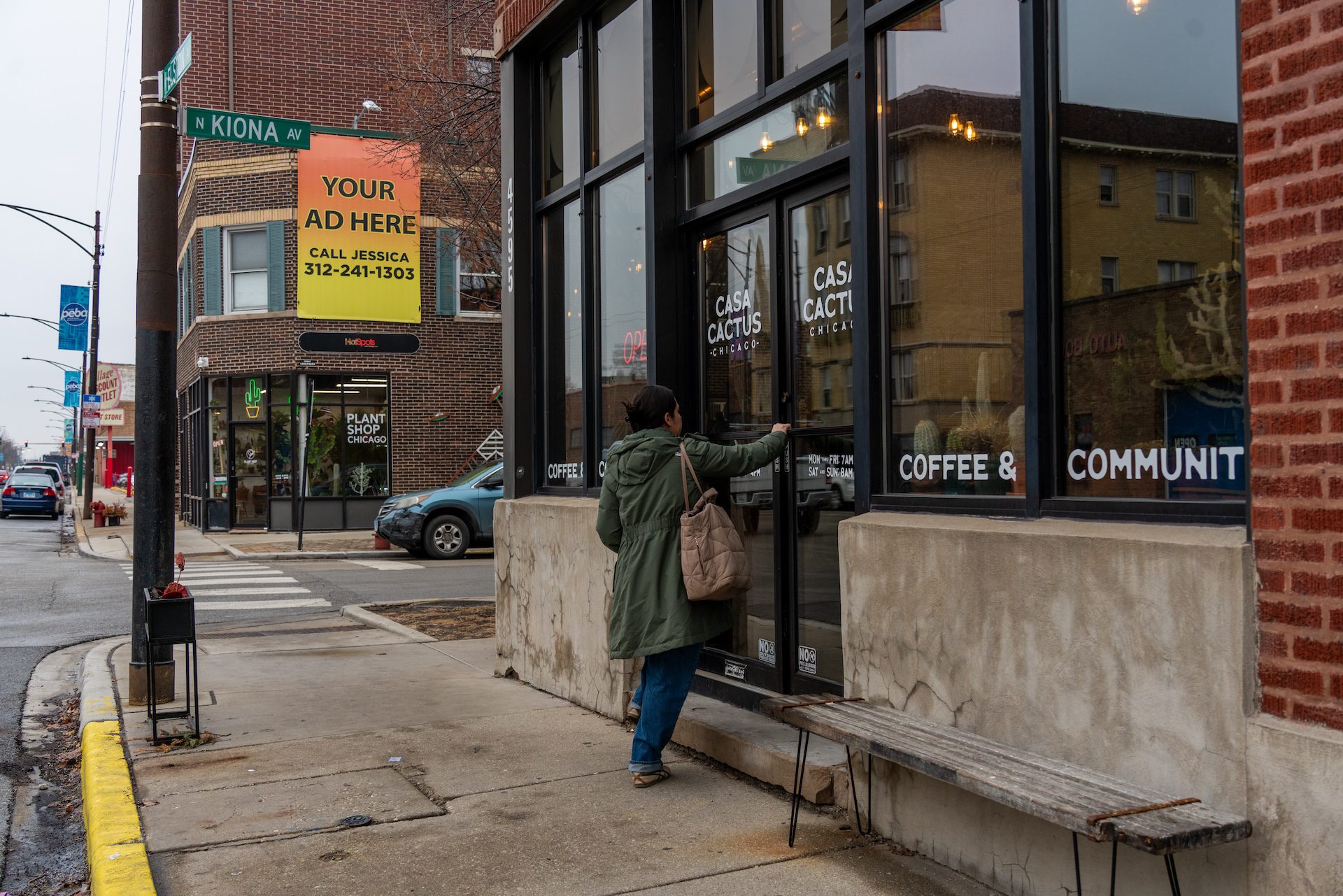
Thus, Casa Cactus was born. The cafe, which is near the plant shop in the Albany Park neighborhood, was designed to be a welcoming “community space that just happened to serve coffee,” with a menu and aesthetics influenced by Gámez and Quezada’s Latino heritage.
When Operation Midway Blitz began last Fall, that community space became more important than ever.
Borderless Magazine spoke to Gámez about what Operation Midway Blitz has meant for his businesses and the impact of increased deportations and raids.
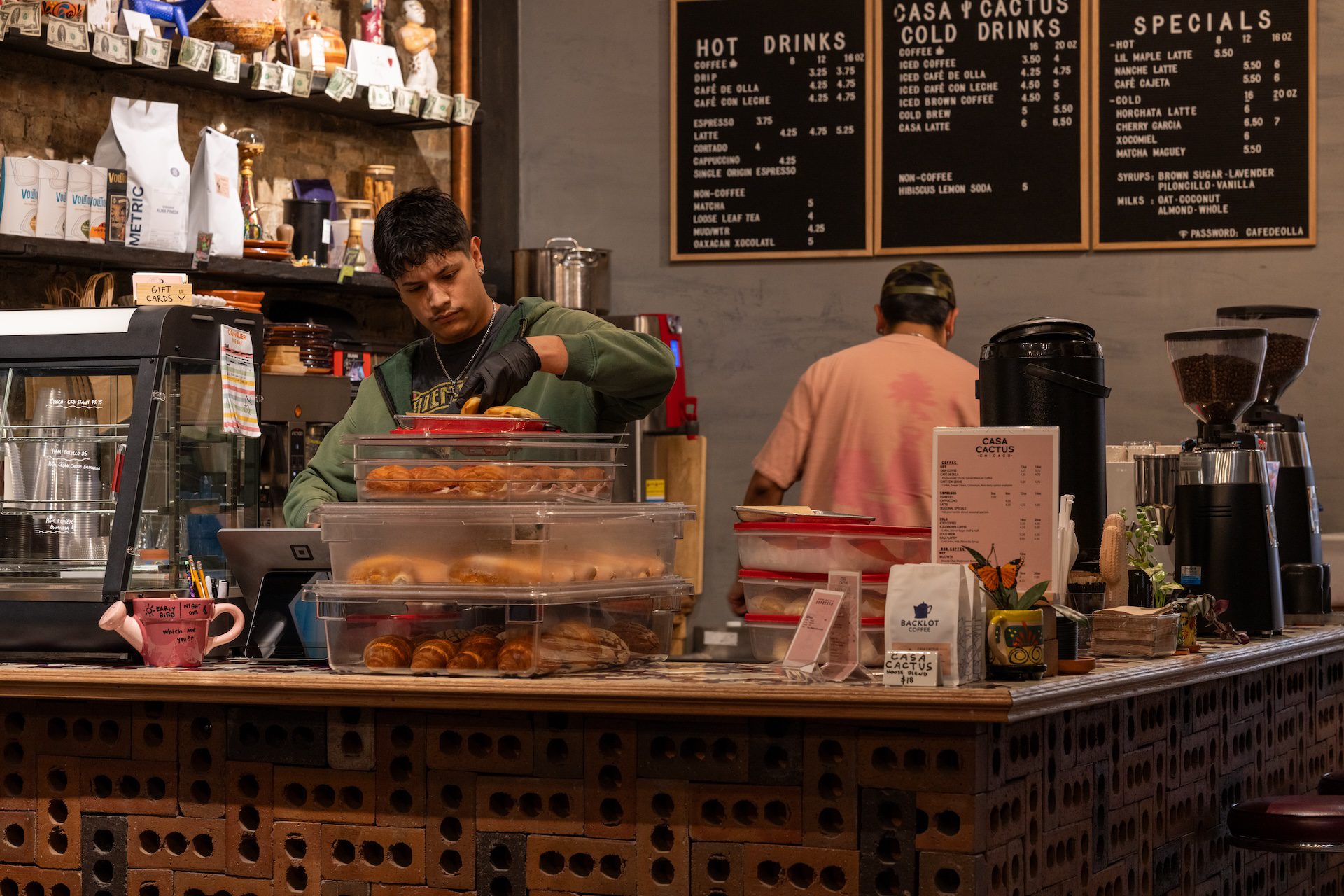
Before Midway Blitz started, I didn’t have any immigration status. It wasn’t till the end of September last year that I became a legal resident. Having been here since 2001, I had never felt fear until the start of Midway Blitz.
I would leave my home and do this weird — look left, look right thing — before walking out of my door. I ride a motorcycle, and even when it was nice outside, I would still make sure to wear long sleeves, gloves, and a full face helmet, so that you couldn’t see the color of my skin. We have a shop van that looks like every worker van out there, and we have entirely stopped driving that car.
It’s only been a few months that I’ve had physical proof that I have legal status. Because my green card arrived during the peak of Midway Blitz, there was no time to celebrate. There was relief of course, but that’s very different than a celebration. Seeing everything that’s been going on with immigration enforcement it’s easy to forget that I have legal status, because it seems like it wouldn’t matter. If something happened, I don’t know who much weight my paperwork would have. Because people who have been born here have been detained now.
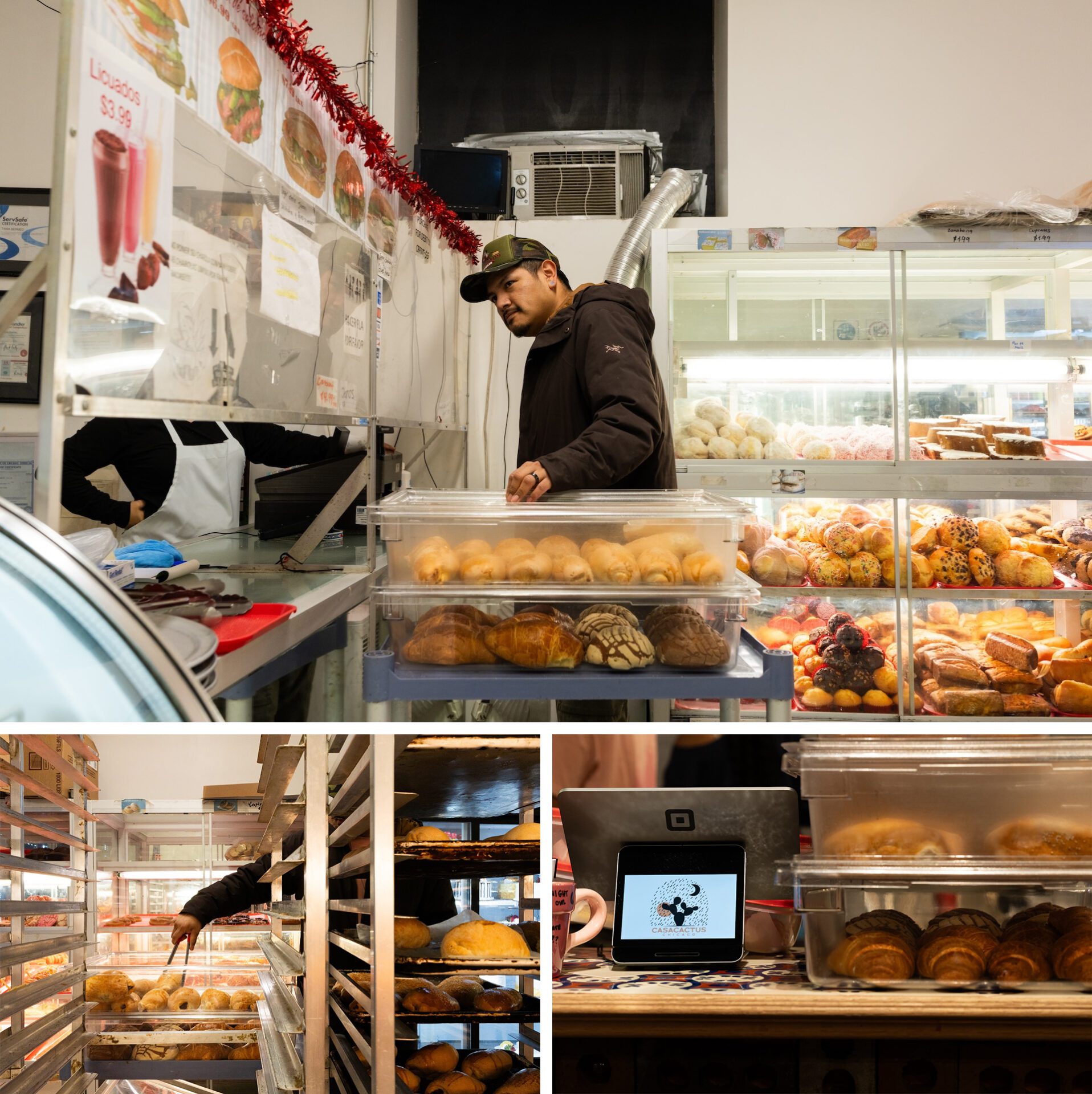
I kept working because I had to. I started a business because I wanted a job for myself, and I wasn’t able to get jobs wherever I wanted due to my immigration status. I remember having a conversation with staff when there were protests organized in February of 2025, asking immigrant-owned businesses to close down and immigrants not to go to work. I remember thinking, “If I did have a job somewhere, I probably would go to work out of fear of my employers finding out that I didn’t have status or citizenship rights.” I understood the movement, but the truth was, undocumented people that day were going to work.
A big part of it, too, was the fear that started brewing up at home. My wife, being an American citizen, started having fears that I would be detained and deported, and she wouldn’t know where I was. She asked me not to leave the house, and said that whatever I needed, she could go get. So I sat around and didn’t even come into work. Then, as I sat there, I was just thinking about what this was doing to us. “Is this part of the plan of this administration? To instill enough fear for us to be like, ‘Maybe I should just self-deport?’”
If that is part of their goal, then I don’t want to fall into that. So I had to talk with my wife, and I said, “We can’t live in fear. I have to go about my day like I normally would.”
I think it’s OK to feel fear. But to let it embed itself in us is really a killer.
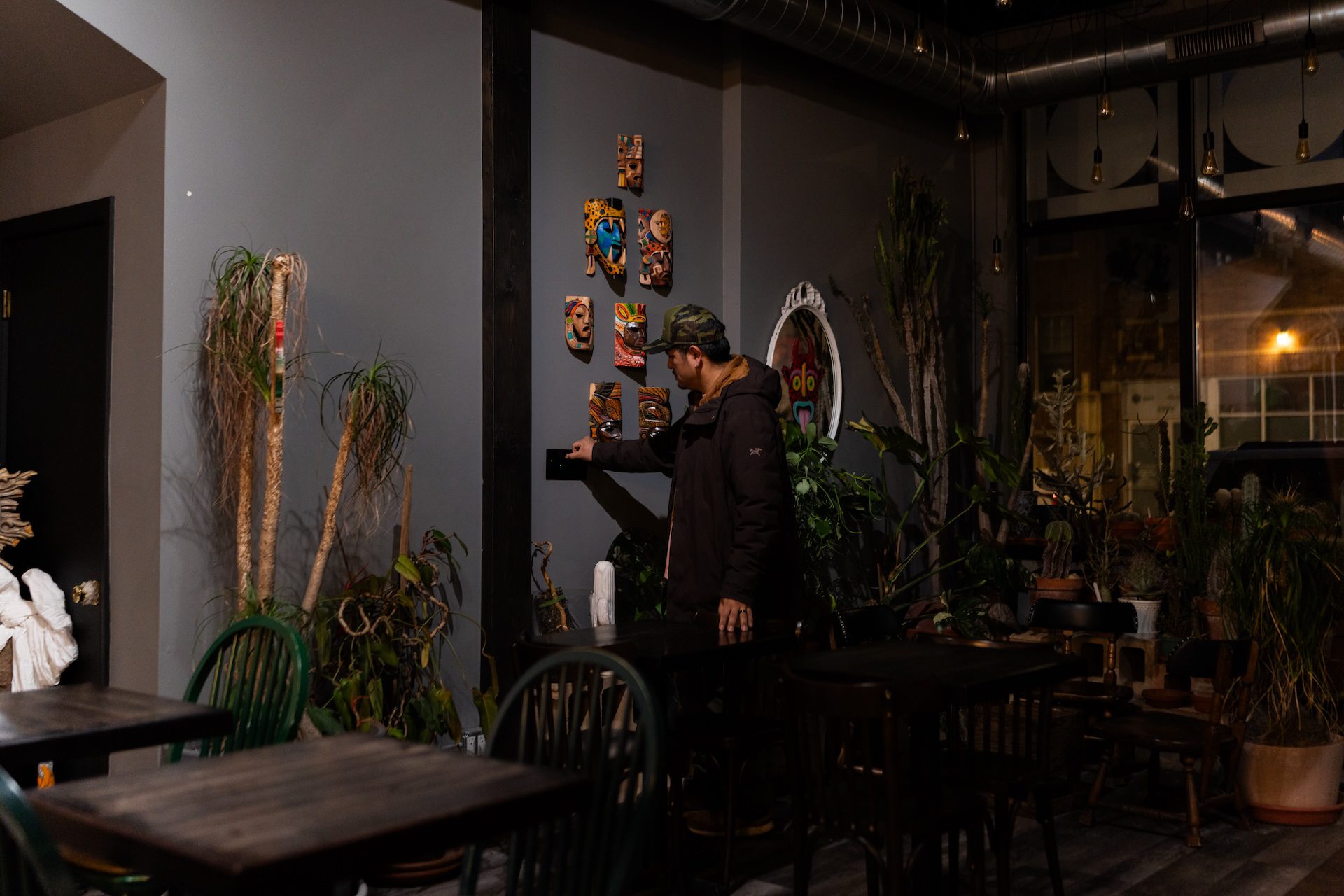
Midway Blitz also gave us an opportunity to actually act as a community space. Right around when Whistlemania events started happening, we hosted one here, and it was so crowded. The event felt like being at a relative’s home on a holiday when there’s not enough space for everyone, and everyone just sits wherever they can.
People in the neighborhood who had some privilege and weren’t necessarily targets of ICE showed up more often. It was this unspoken thing. There were times when it felt like they showed up at Casa Cactus just to be here in case something happened to the staff or me, so they could say something. We got a lot of support because the neighborhood knows that we’re Latino-owned. I think people just wanted to show solidarity and support.
At the peak of the immigration crackdown, there were so many people wanting to help and organize. It felt great that they felt comfortable reaching out to us without the hesitation of not knowing where we stood on the immigration debate.
Camilla Forte is a CatchLight fellow and Report for America Corps Member covering immigrant communities for Borderless Magazine. She can be reached at [email protected].
This story was produced using Borderless Magazine’s collaborative as-told-to method. To learn how we make stories like these, check out our as-told-to visual explainer.