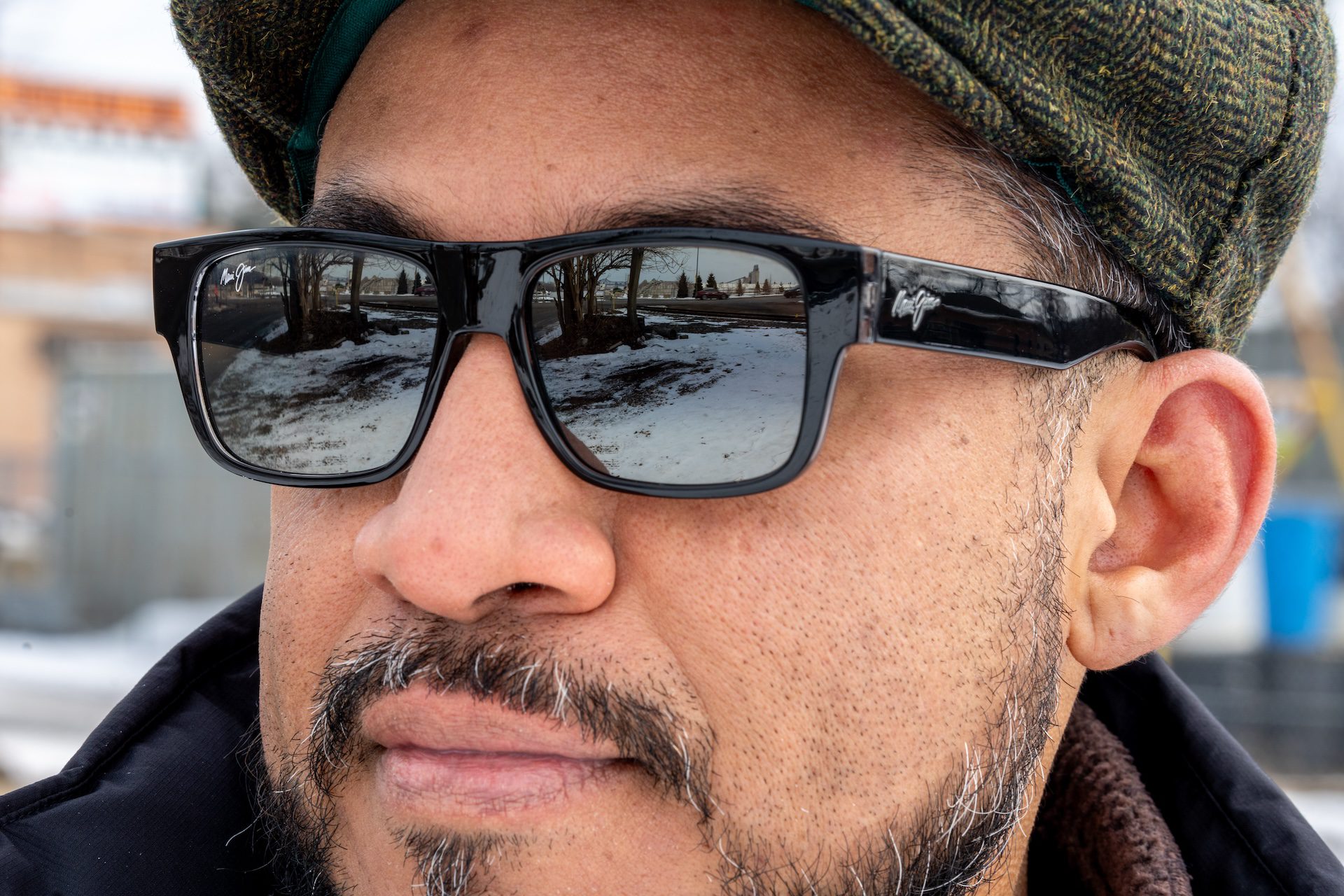
 Camilla Forte/Borderless Magazine/Catchlight Local/Report for America
David Barboza has spent years fighting pollution on the Southeast Side of Chicago. But when Donald Trump was re-elected in 2025, he saw a new threat to his community: immigrant deportations.
This story is a part of Six Months of Operation Midway Blitz, a look at how ICE’s enforcement actions have impacted Chicago’s immigrants, and what they’re doing to protect one another.
David Barboza’s relationship to environmental activism has always been personal.
In 2013, as Barboza’s family celebrated his mother’s birthday, an unexpected windstorm kicked up what looked like a huge plume of black smoke into the family’s backyard. Within seconds, the partygoers were covered in a thick, sticky dust. Barboza, who happened to have a high-quality phone camera at the time, recorded the incident.
The dust turned out to be petroleum coke, a product of oil refining that can pose long-term health risks to a person’s heart and lungs if inhaled.
News that puts power under the spotlight and communities at the center.
Sign up for our free newsletter and get updates twice a week.
The outrage surrounding the incident swept his community, laying the foundation for the work that Barboza still does today as a community engagement manager of the Southeast Environmental Task Force.
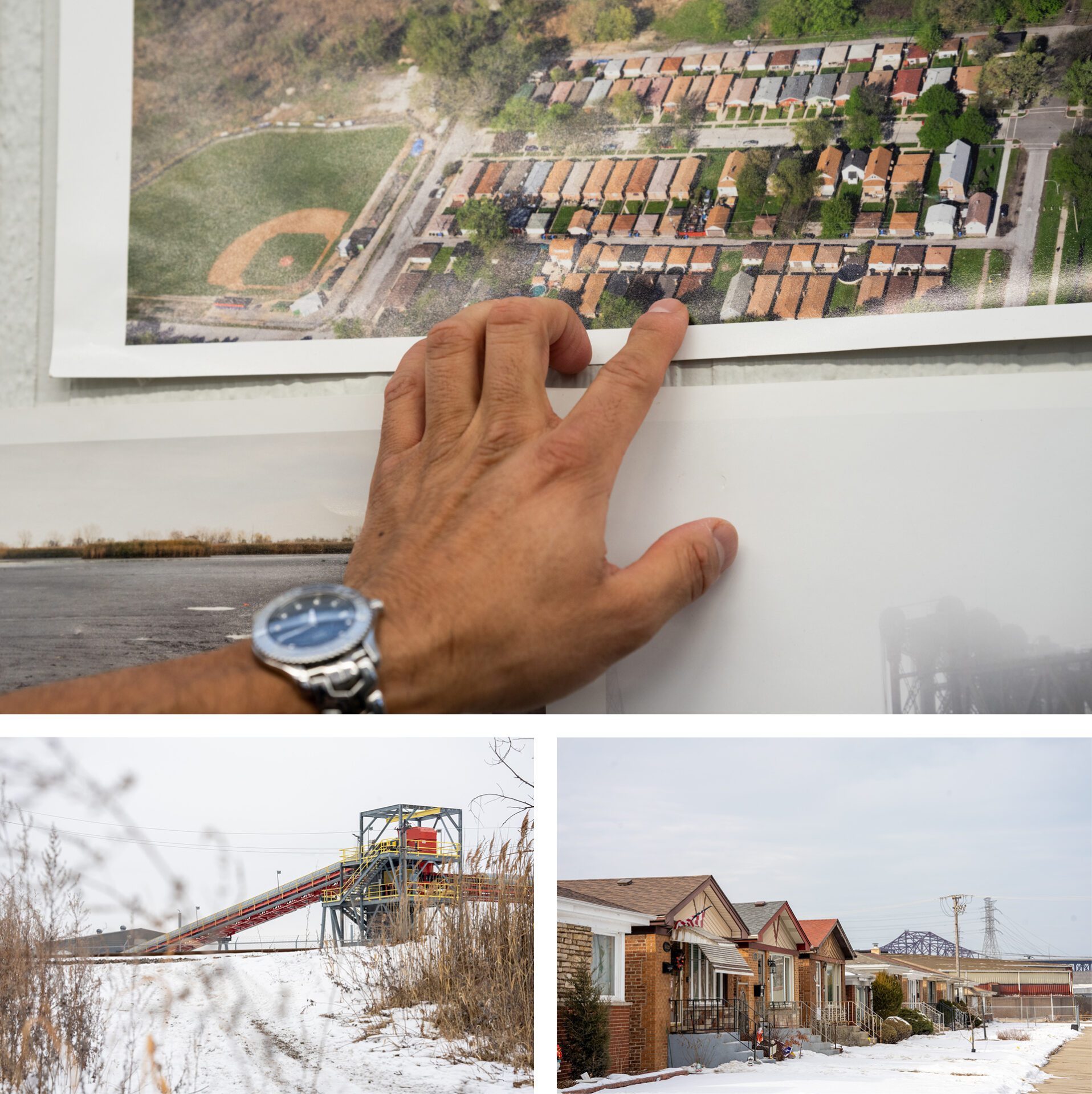
Deeply rooted in Chicago’s Southeast Side, Barboza’s work centers on engaging and empowering his community to confront the threats posed by the area’s industrial polluters.
But when Donald Trump was re-elected president and threatened to increase immigration enforcement in sanctuary cities like Chicago, the environmental organizer saw a new threat to his predominantly immigrant and Latino community.
Borderless Magazine spoke to Barboza about what Operation Midway Blitz has meant for his community and the toll of increased deportations and raids.
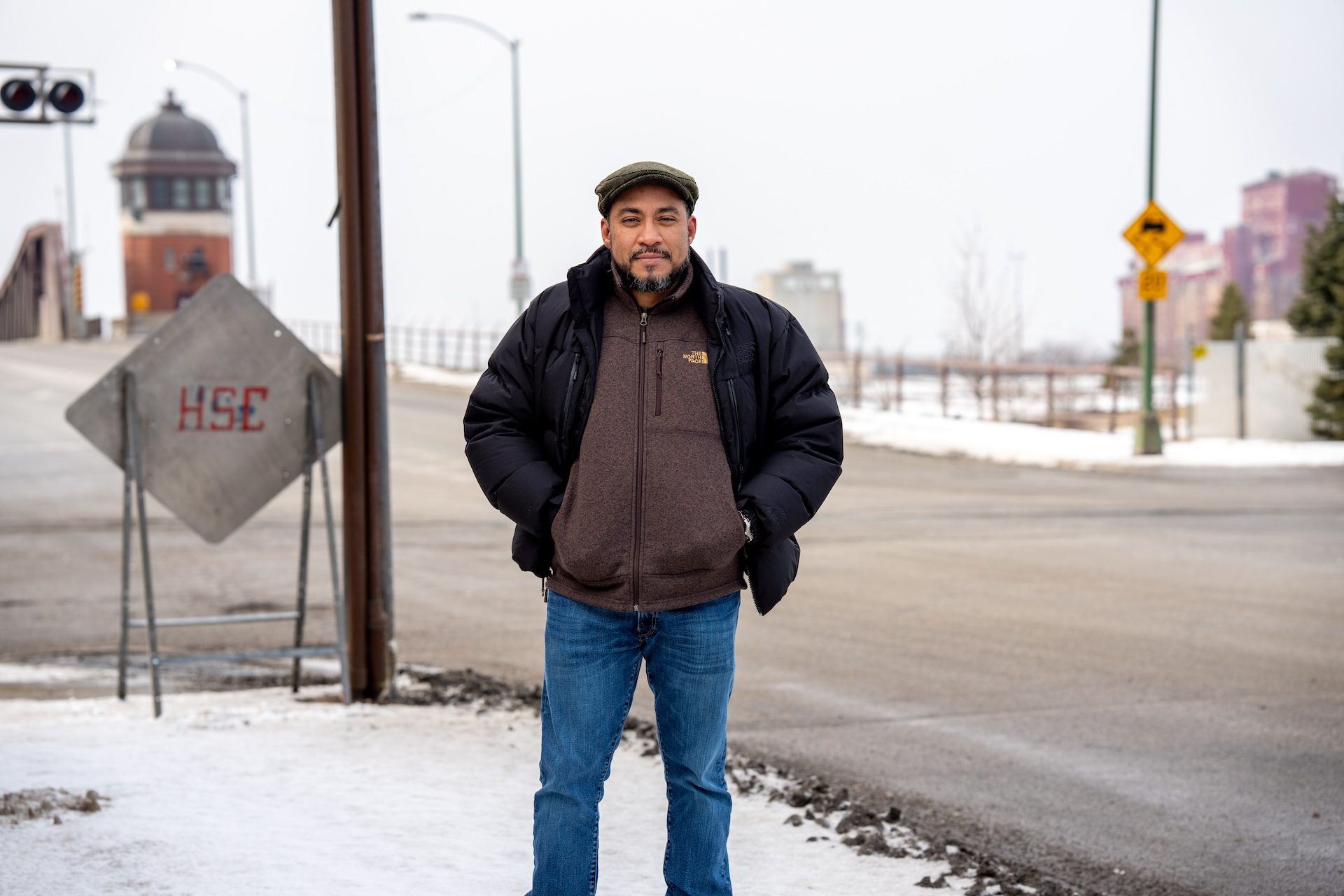
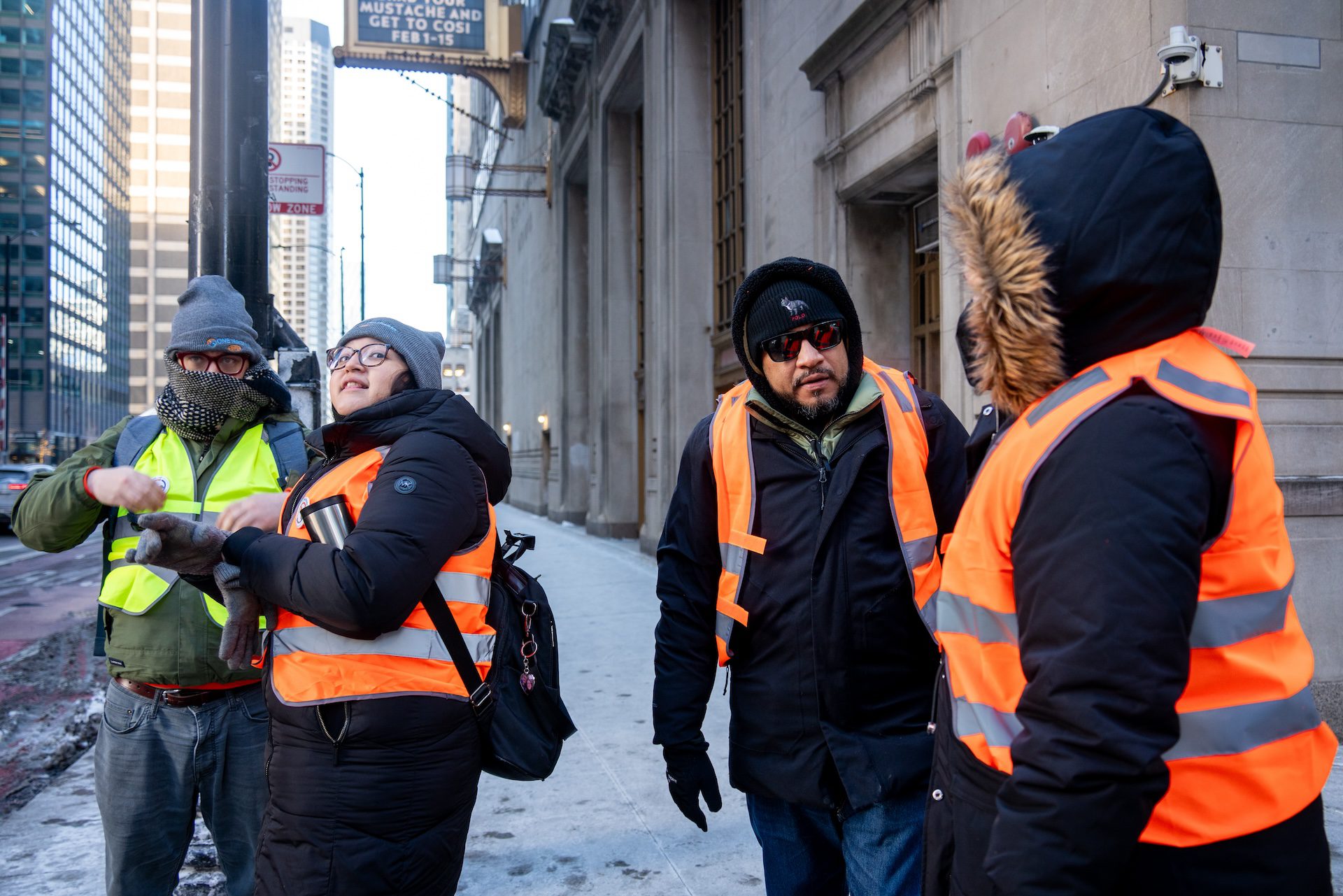
I started getting ready to respond to ICE raids in early April with the help of immigrant rights organizers. They were already getting ready for Trump to send in ICE. I was part of a local rapid response team alongside students, organizers and community members. In September, I started taking time off work to participate in patrols and let folks know about their rights.
Everyone was afraid. It was surreal. We were having conversations at my mom’s kitchen table about how we should view this. We had conflicting views because of all this right-wing propaganda saying that immigrants shouldn’t be here.
I couldn’t believe that I had to sit there and tell some of my family members that we could fight back. There was some talk about how there was nothing we could do about the increase in ICE activity, and that it’s better to just be quiet and not be noticed. But I’m not that kind of person. I’m not gonna sit there and just take it.
I started canvassing the neighborhood, going to businesses. Folks didn’t believe us. They were very skeptical. It wasn’t until they started seeing federal immigration agents in the East Side neighborhood taking people that everyone wanted to reach out to us. The threat of an immigration crackdown became very real when ICE agents were roaming around, and it wasn’t just something on the news.
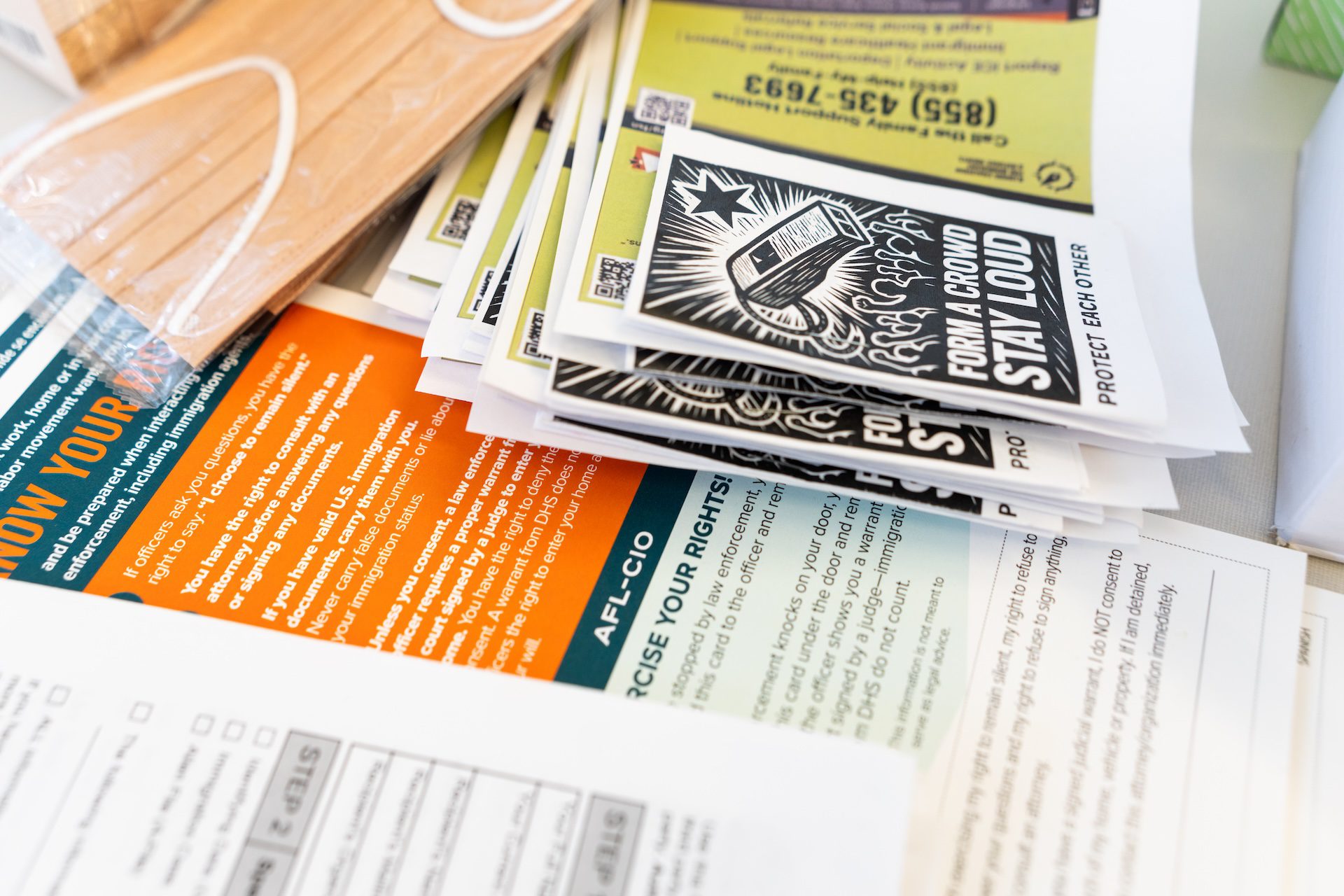
I was out there documenting and confirming sightings, handing out these Know Your Rights cards and information. There was some backlash from folks who supported ICE in our neighborhood, which kind of hurt, but we pushed through.
Sometimes it felt like we were putting our lives on the line, and in some cases, our freedom. After the shooting of Marimar Martinez, we’d gotten wind from that rapid response team to be very cautious when approaching ICE.
I was in a meeting downtown when I heard that federal officers had been involved in a car crash on 105th St. while conducting an immigration raid on the Southeast Side. I tried to get down there as quickly as possible to patrol the site. There were dozens of people on the street, and it was a high-tension situation. There started to be rumors swirling around that they were going after people for documenting their actions.
It was very, very tricky to navigate how we would approach documenting ICE agents without feeling that we were at risk for arrest and prosecution.
After all that, I felt so burnt out. My neighborhood became kind of like a war zone, hearing those helicopters daily for weeks. My brain started to feel like this was normal, and we didn’t know when the immigration crackdown was going to end. When CBP left in December I was so glad it was over.
I couldn’t sleep. I was just so full of adrenaline. I don’t get much anxiety, but Midway Blitz might have triggered things in me, because in retrospect, it left me shook up. I don’t know if I would do it again, not like that. To document ICE, especially with the murder of the woman in Minnesota and Silverio. I just didn’t want to do rapid response anymore.
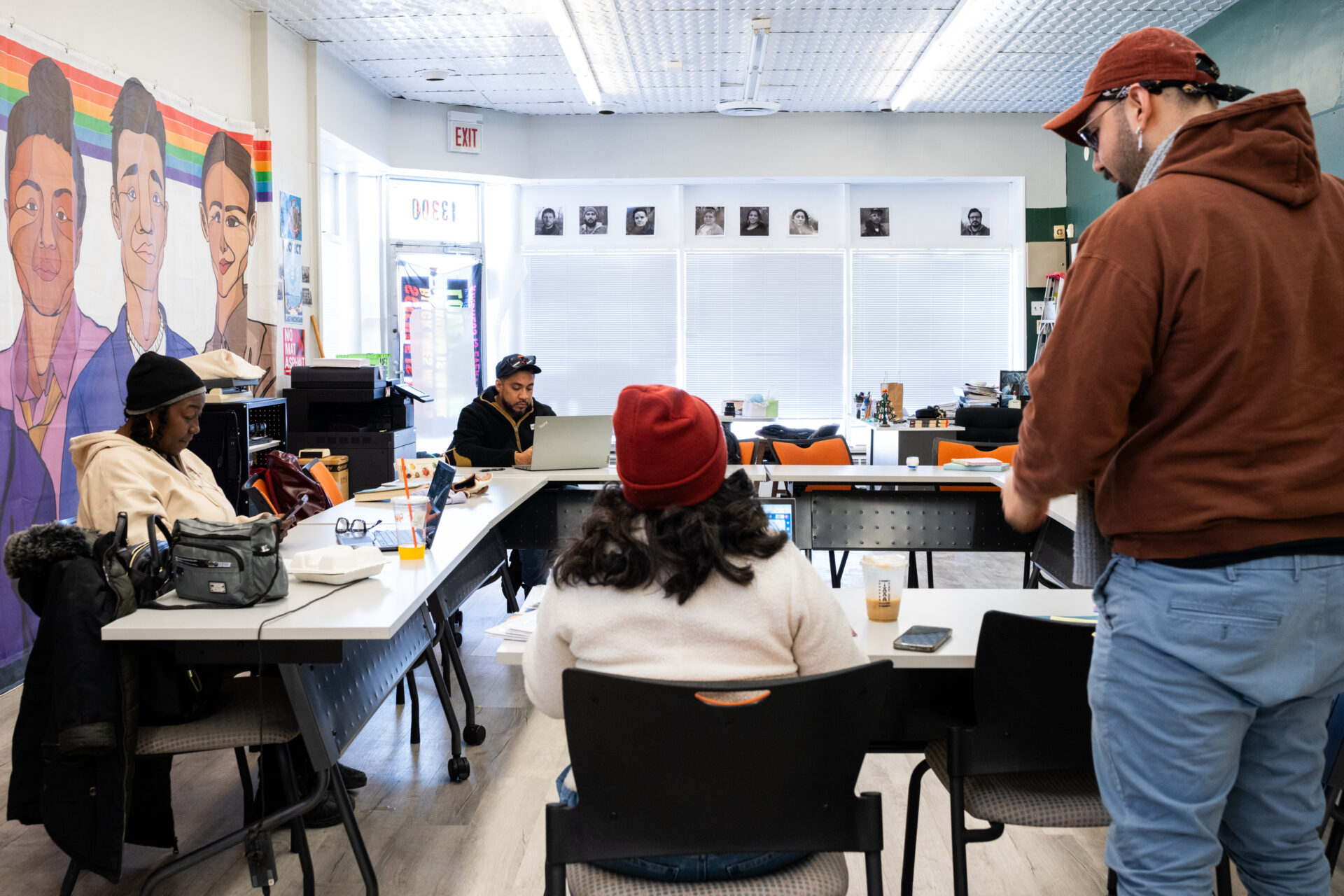
I’m switching to mutual aid. We want to be ready if ICE comes back. Right now, I’m working on setting up an emergency fund for families in need through my local rapid response group. With my team, I feel I’m not alone. I’m not the only one thinking like this. We have each other’s backs. I think that’s what keeps me going.
Camilla Forte is a CatchLight fellow and Report for America Corps Member covering immigrant communities for Borderless Magazine. She can be reached at [email protected].
This story was produced using Borderless Magazine’s collaborative as-told-to method. To learn how we make stories like these, check out our as-told-to visual explainer.