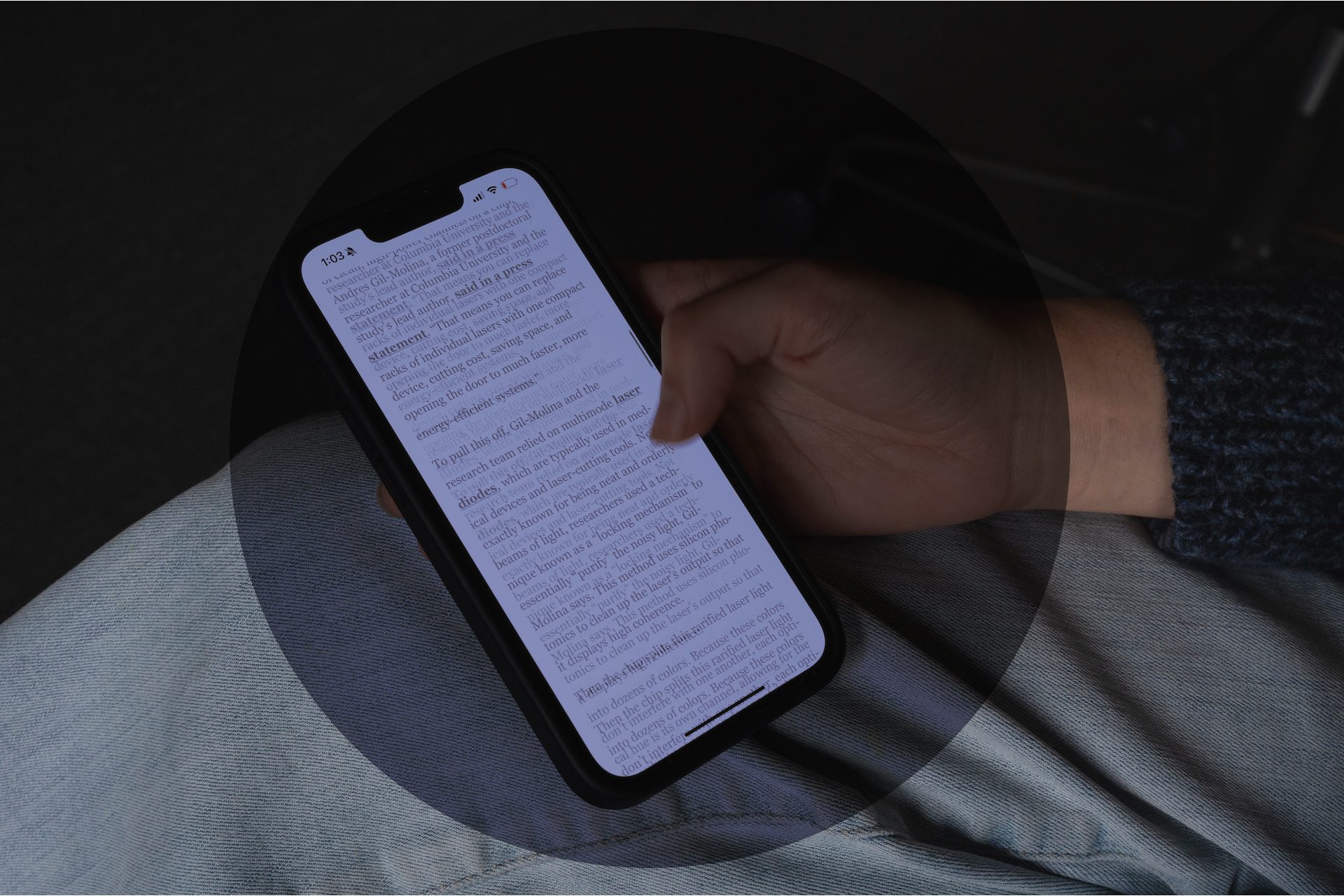
 Photo illustration by Max Herman/Borderless Magazine
 Federal agencies are working to expand social media surveillance as part of Trump’s immigration efforts. Borderless Magazine spoke with experts to explain what information the government is monitoring and how to protect your identity on social media.
President Donald Trump’s administration is monitoring social media accounts of immigrants and using Artificial Intelligence (AI) software to carry out its surveillance efforts.
Under a series of directives, the Department of Homeland Security (DHS) is monitoring the social media activity of immigrants and travelers entering the United States. Immigration and Customs Enforcement’s (ICE) growing surveillance capabilities have prompted concerns, with critics equating the surveillance with an assault against free speech.
Experts say these policies may affect student visa applicants, green card holders and H-1B applicants and their dependents.
News that puts power under the spotlight and communities at the center.
Sign up for our free newsletter and get updates twice a week.
Borderless Magazine spoke with attorneys to discuss the content the government is monitoring and how immigrants can protect their identity on social media.
This article is for educational and informational purposes only and should not be construed as legal advice.
Why are federal officials reviewing social media accounts?
The federal government’s review of social media accounts aims to monitor visa applicants’ social media activity to identify threats to national security. This type of surveillance can happen at nearly every stage of the immigration process through visa applications, AI monitoring tools and continuous screening — pulling content from social media into government databases.
Once data has been collected, either at the border, during the visa application process or another immigration-related application, it can be retained, used or shared by government agencies.
This Continuous Immigration Vetting monitors individuals long after they have arrived in the U.S. and flags any new online information that the government deems may pose national security or public safety concerns.
Who is being monitored?
Noncitizens, immigrants with legal status and immigrants with pending applications could be subject to surveillance.
DHS is conducting a review of online accounts for all H-1B applicants and their dependents. Students and exchange visitors are already subject to this review. All visa applicants are being instructed to adjust the privacy settings on all of their social media profiles to “public,” according to the federal government.
What social media posts could be flagged?
The Trump administration has been flagging social media posts that are critical of the United States and its policies, suggest criminal activity and endorse groups the U.S. considers terrorist organizations.
Electronic Frontier Foundation (EFF) staff attorney Lisa Femia cautions that anything immigrants share on social media could be monitored by the government and used against them.
“Unfortunately, immigrants and noncitizens should now assume that anything they share publicly on social media might be surveilled by the government and potentially used against them,” she said.
Read More of Our Coverage

Other types of posts that could be classified as activism may also be cause for concern by enforcement agencies, according to Tracie Lynn Morgan, a founding attorney for Hope Immigration.
“Posts about political opinions, protests, community organizing, immigration rights advocacy — while protected under free speech — may draw attention from surveillance or enforcement,” said Morgan.
Could some social media posts potentially impact immigration applications?
Noncitizens have been detained for social media posts. In one case, a Deferred Action for Childhood Arrivals (DACA) recipient and photojournalist in Georgia was detained because of social media posts referring to political prisoners and his faith. The government justified the detention based on his reporting on pro-Palestinian protests and “global war on terrorism.” Ya’akub Vijandre and his legal defense team assert his posts were constitutionally protected and that he is being targeted due to his Muslim faith.
In another instance, an international student at Harvard University was deported back to Lebanon after U.S. Customs and Border Protection (CBP) officers questioned him for hours, searched his devices and confronted him about political posts his friends made on social media.
Experts recommend that immigrants with various legal statuses should assume that any public post is being monitored. They noted social media activity could be used against them, potentially impacting immigration applications. In some instances, the federal government may cancel or deny visas based on social media activity, according to Morgan.
“Any public post, comment or publicly accessible profile is potentially visible to law enforcement or other third parties,” Morgan said. “Nothing disappears online. Even if someone deletes a post, copies may exist, screenshots may resurface or metadata may remain — which may affect future visa, residency or legal proceedings.”
According to immigration law firm Mark Jacobs, Attorney and Counselor at Law, the federal government may cancel or deny visas if it interprets an individual’s social media posts to suggest a “hostile attitude” toward U.S. citizens or culture.
What current legal protections exist for social media privacy?
Social media monitoring can be a violation of the First Amendment when it disrupts free speech without having a legitimate government objective, according to the Brennan Center for Justice.
The U.S. Privacy Act of 1974 establishes restrictions on the collection, storage and sharing of identifiable information about U.S. citizens and permanent residents, which includes social media data. In Illinois, the Right to Privacy in the Workplace Act also makes it unlawful for an employer to request, require or coerce an employee to provide access to their personal online accounts.
How can noncitizens and immigrants protect their identities on social media?
ICE collects information from “publicly available” resources, Morgan said. “That means if your social media isn’t locked down, they will find it.”
To protect their social media privacy, Morgan says, noncitizens and immigrants can follow these recommendations:
- Review and update your privacy settings regularly.
- Avoid posting your full legal name, date of birth, address, visa status, family relationships, immigration history, ID photos or legal documents.
- Check your friends and connections; even if posts are “private,” social circles can unintentionally expose personal information.
- Use pseudonyms when possible, especially on platforms where people discuss activism or share their opinions and personal experiences.
- Avoid talking about sensitive things like immigration status, legal matters, travel plans or community organizing.
- Consider having different types of accounts — one for personal connections that is locked down, and another with an open profile where you share less sensitive content.
Tara Mobasher is Borderless Magazine’s newsletter writer and reporter. Email Tara at [email protected].